
Comprehensive Guide to Selecting Ideal Workwear for Your Workforce
Choosing the ideal workwear is vital for employee safety, comfort, and durability. This comprehensive guide explores fabric options such as cotton, polyester, and blends, emphasizing their benefits, environmental considerations, and protective features like UV resistance. Discover tips on selecting sturdy fastenings, managing stains, and ensuring garments withstand multiple washes. By understanding these factors, companies can make informed decisions that improve worker safety, comfort, and operational efficiency. Proper workwear enhances productivity while safeguarding employees from hazards common in various industries, making thoughtful selection essential for any business.
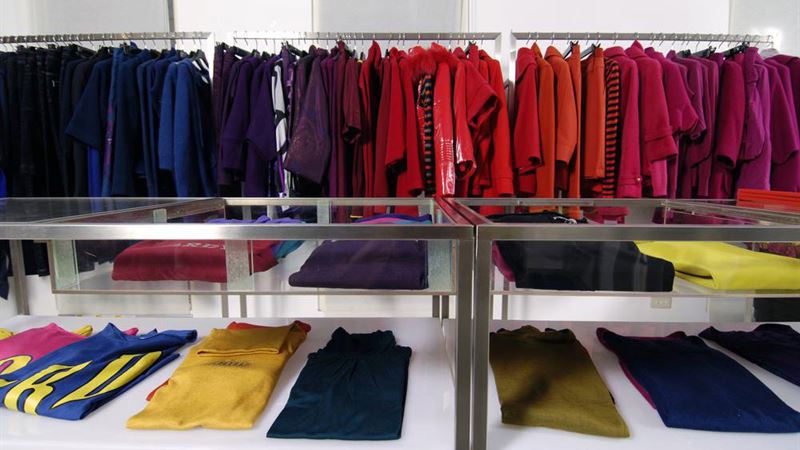
Choosing the appropriate workwear for your employees involves careful consideration of multiple factors that influence both safety and comfort. The fabric selection is fundamental, as it impacts durability, functionality, and the overall well-being of your staff. Traditionally, cotton canvas has been a preferred choice for work garments due to its robustness and natural fibers, but modern materials have expanded options significantly. Understanding the nuances of different fabrics allows you to make informed decisions that align with your company's specific needs and industry standards.
At the core of workwear fabric selection is the understanding of material properties. Cotton-based fabrics, especially canvas with a weight around 420 grams per square meter (gsm), are highly regarded in industries where durability is crucial. Such heavy-duty textiles are suitable for manufacturing work trousers, jackets, and overalls that withstand rugged use. However, lighter fabrics are also available, offering enhanced comfort and flexibility, making them suitable for less physically demanding environments. The challenge lies in balancing comfort with durability to ensure employee protection and efficiency.
Natural fibers, primarily cotton, possess excellent static control properties and reduce the likelihood of electric shocks, which is vital in electrical or machinery-intensive sectors. On the other hand, synthetics such as polyester have gained popularity for their resilience and ease of maintenance. Polyester fabrics excel in environments where durability and moisture-wicking are prioritized, but they tend to be less comfortable than natural fibers. Additionally, synthetic materials can attract grease and stains, making them less ideal in dirty or spill-prone settings. It's critical to evaluate the specific environmental challenges your workers face when selecting fabric types.
Moisture management is a key feature influencing fabric choice. Polyester's ability to draw sweat away from the body enhances comfort during long shifts, especially in warmer conditions. This makes polyester and synthetic blends highly attractive for outdoor or physically demanding roles. Blended fabrics combine the strengths of multiple fibers, offering a tailored solution. For example, blends incorporating spandex provide stretchability, increasing mobility and comfort during strenuous tasks, while rayon blends can add a softer feel and improved aesthetics.
Sun protection is another vital consideration, particularly for employees working outdoors in regions with intense UV exposure. Some workwear manufacturers now produce garments with tightly woven fabrics rated UPF 50+, offering superior protection against harmful UV rays. These specialized fabrics significantly reduce the need for frequent sunscreen application, thereby enhancing safety and convenience. Nonetheless, clothing coverage should complement sun protection strategies by covering exposed skin areas, with sunscreen applied where fabric coverage is insufficient.
Beyond fabric choice, the design and features of workwear also play a role in safety and longevity. Heavy-duty zippers and fastenings are essential in high-wear environments to prevent breakage. Sturdy buttons and reinforced seams contribute to the durability of garments, reducing replacement costs. Consideration should also be given to how well the workwear withstands repeated laundering since industrial washing can accelerate wear and tear. Selecting quality fastenings and resilient fabrics ensures that your employees’ uniforms remain functional and professional over time.
In summary, selecting the perfect workwear entails a comprehensive assessment of fabric types, environmental conditions, and workplace safety requirements. Investing in high-quality, durable, and suitable clothing not only boosts employee morale but also enhances productivity and safety standards. When choosing your employee uniforms, prioritize fabrics that align with your industry demands, incorporate protective features like sun resistance and stain repellence, and opt for designs that prioritize comfort and longevity. Your workforce's safety and comfort are paramount, and the right workwear plays a crucial role in achieving that goal.