
Comprehensive Guide to Selecting the Perfect Baby Crib for Your Little One
Choosing the right baby crib is crucial for your child's safety, comfort, and development. This comprehensive guide covers essential factors, including safety features, stability, mattress selection, design considerations, and environmental standards. Learn how to select a durable, secure, and functional crib that adapts to your baby's needs, ensuring a cozy and safe environment. From materials to practical features and compliance with regulations, this detailed guide helps parents make informed decisions to invest in their child's wellbeing and comfort during the early years.
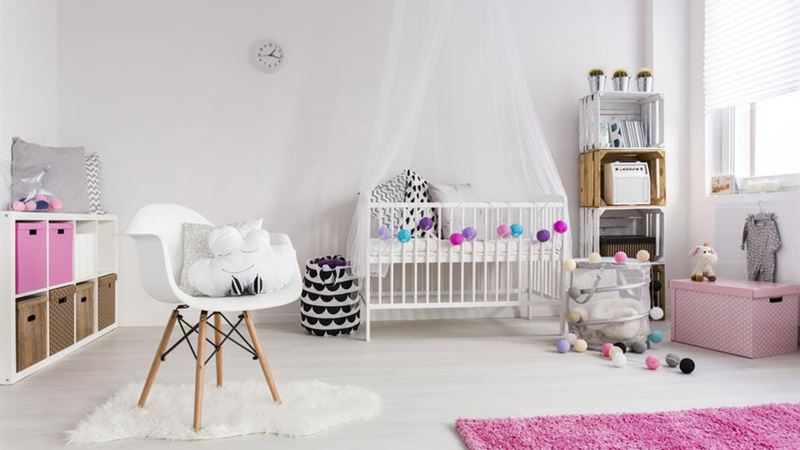
Choosing the right crib for your newborn is a vital step in creating a safe and comfortable environment for your baby. The crib serves as your infant's primary sleeping area during their early months and years, making it essential to select one that prioritizes safety, stability, and comfort. With a vast array of options available in the market, understanding what features and qualities to look for can seem overwhelming. This comprehensive guide aims to equip parents and caregivers with the necessary knowledge to make an informed decision when selecting a baby crib.
Prioritizing Safety: Safety should always be at the forefront of your mind when choosing a crib. The materials used should be of high quality—preferably non-toxic and free of harmful chemicals. The wood should be smooth, with no rough edges or splinters, and all sharp corners should be rounded to prevent injuries. It is particularly important because infants will often touch, hold, and even chew on the crib rails as they explore their surroundings. Ensuring safety also involves checking for sturdy construction, secure joints, and the absence of small parts that could pose choking hazards. Remember, a safe crib is an investment in your child’s well-being and peace of mind.
Ensuring Stability: Equally important is the stability of the crib. A stable crib offers a secure environment where your baby can sleep or play without the risk of tipping or collapsing. Many cribs are equipped with wheels for easy mobility, but wheels can sometimes compromise stability if not properly secured. When testing a crib, it’s recommended to place some weight in the crib to see if it wobbles or creaks. Check the locking mechanisms on the wheels to ensure they can be securely engaged, preventing accidental movement once your baby is active and trying to sit up or pull to standing. The frame should be robust, with no loose screws or wobbly joints, providing a firm foundation for your child's safety.
Mattress Compatibility and Comfort: The mattress is a critical component within the crib, directly impacting your child's sleep quality and spinal health. Select a mattress that fits snugly within the crib frame—there should be no gaps between the mattress and the sides to prevent accidental trapping of limbs or fingers. A good mattress provides adequate support while being soft enough to offer comfort; foam mattresses are popular since they balance firmness and softness well. When choosing a mattress, opt for natural, breathable materials like organic cotton covers and memory foam that conform to your baby’s body. Using mattress pads can add an extra layer of cushioning and protection, especially around the edges and rails. The bedding should be lightweight, breathable, and made from natural fibers such as cotton or bamboo to minimize the risk of suffocation or overheating. Remember, a high-quality, well-fitted mattress is crucial for your child's safety, comfort, and healthy development.
Design Considerations and Practical Features: Aside from safety and comfort, consider the overall design and features that can make your life easier. Look for adjustable mattress heights so you can lower the mattress as your baby begins to sit or stand, reducing the risk of falls. Storage drawers or shelves integrated into the crib can help keep essentials like diapers, clothes, and toys within easy reach. Additionally, choose a crib with a timeless design that complements your nursery decor and can adapt to your child’s growth through convertible options, such as converting into a toddler bed. Ease of cleaning is another factor—crib surfaces should be easy to wipe down, and removable, washable bedding and mattress covers can help maintain hygiene effortlessly. Ultimately, selecting a multifunctional, durable crib adds value and convenience for the long term.
Environmental and Regulatory Compliance: When shopping for a crib, it’s vital to verify that it complies with safety standards set by regulatory bodies such as the Consumer Product Safety Commission (CPSC) in the US or similar authorities worldwide. Look for certifications or safety labels indicating adherence to strict safety criteria. Choosing eco-friendly and sustainable products can also contribute to a healthier environment and a safer home for your baby. Many modern cribs are made from sustainably sourced wood or recycled materials, often free from harmful finishes or paints. Prioritizing these options is not only safe but also environmentally responsible, aligning with the values many parents hold today.
In conclusion, selecting the perfect baby crib involves a careful balance of safety, stability, comfort, design, and environmental considerations. Investing time in researching and testing different options guarantees you pick a piece of nursery furniture that offers your child a secure, cozy, and nurturing space to sleep and grow. Remember, a well-chosen crib is more than just a piece of furniture—it's a foundation for your child's early development and a comforting constant during those formative months. Take your time, prioritize quality, and ensure every feature is tailored to your baby’s safety and comfort needs. After all, this is one of the most important investments you will make in your child's wellbeing.