
The Ultimate Guide to Selecting the Perfect Foundation for Your Skin Tone and Type
Discover expert tips on selecting the ideal foundation for your unique skin tone and type. Learn how to identify your undertone, choose the best formula, and test shades in-store for a flawless, natural look. This comprehensive guide empowers you to enhance your beauty confidently, ensuring your foundation perfectly matches your skin and meets your specific needs for a radiant, confident appearance.
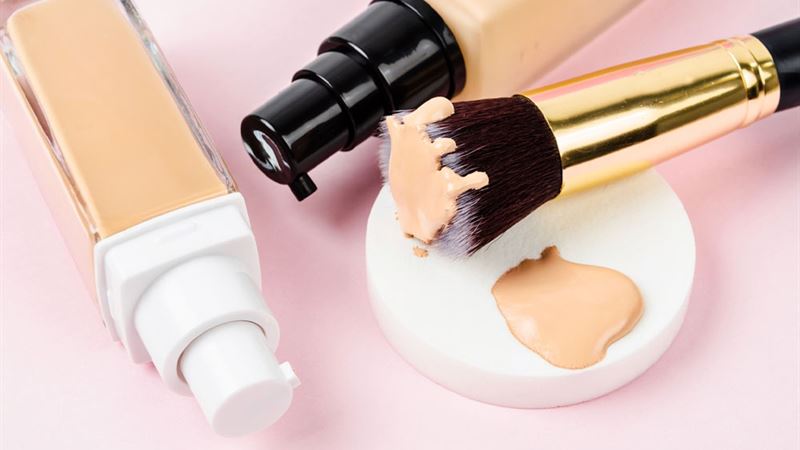
Achieving a flawless, natural-looking complexion is a common goal for many skincare and makeup enthusiasts. The key to enhancing your natural beauty lies in selecting the right foundation that matches your unique skin tone and type. With countless options available—from different formulations to shades and finishes—it can be overwhelming to find the ideal match. This comprehensive guide provides expert advice and detailed tips to help you navigate the process of choosing the perfect foundation, ensuring a seamless blend that enhances your features and boosts your confidence.
Mastering the Art of Foundation Matching
Choosing the right foundation begins with understanding your skin’s unique characteristics. A well-matched foundation creates a harmonious look, seamlessly blending into your skin to provide a flawless finish. Here's how you can master the art of matching your foundation effectively.
Determine Your Genuine Skin Tone
Identifying your true skin tone is an essential first step in finding a foundation shade that truly complements you. Skin tone varies due to genetic factors and environmental influences like sun exposure, climate, and seasonal changes. To accurately determine your skin tone, observe the overall hue of your face, neck, or inside your wrist under natural light. Warm tones tend to have golden, yellow, or peach hues, while cool tones lean towards pink, red, or blue undertones. Neutral tones are a balanced mix of both. Remember, selecting a shade that blends seamlessly into your neck is key to achieving a natural look.
Embrace Your Natural Skin Color
Societal influences often pressure individuals to alter their appearance, fostering misconceptions that fairer or tanner skin is more attractive. However, true beauty radiates when you embrace your authentic skin color. The goal with makeup should be enhancing your features, not changing who you are. Applying foundation that matches your natural skin tone accentuates your beauty authentically. Recognize and accept your unique hue — this confidence will translate into a more polished and natural appearance.
Identify Your Undertone
Undertones are subtle hues that lie beneath the surface of your skin and significantly influence which foundation shades will look most natural on you. To identify your undertone, examine the veins on the underside of your wrist. If your veins appear blue or purple, you have cool undertones; greenish veins suggest warm undertones; a mix indicates neutral undertones. Knowing your undertone helps in selecting foundations with the appropriate base color, preventing the mask-like or ashy appearance caused by mismatched shades.
Choosing the Ideal Foundation Formula
Foundation formulations come in various types to suit different skin types and preferences. Options include liquid, powder, cream, stick, and mineral foundations. If you have oily skin, opt for oil-free, matte, or powder-based foundations that control shine. For dry or mature skin, hydrating options like liquids with moisturizing properties or creams are preferable. Consider how you prefer to apply your makeup—some methods provide better coverage or finish depending on the formulation. Test different textures to discover what suits your routine and comfort best.
Clarify Your Specific Needs
Determine what you want your foundation to achieve. Is it to conceal blemishes, even out skin tone, hide wrinkles, or create a flawless canvas? Some foundations contain added skincare benefits, like anti-aging agents, SPF protection, or oil control. For mature skin, look for formulations with antioxidants and moisturizing ingredients; for oily skin, seek products that control excess sebum. Aligning your foundation choice with your skin concerns ensures better results and satisfaction.
Choosing Anti-Aging Foundations
If prevention or correction of aging signs is your priority, invest in anti-aging foundations enriched with ingredients like hyaluronic acid, peptides, or antioxidants. Many of these foundations offer full coverage and include high SPF ratings to protect against UV damage. They help diminish the appearance of fine lines and wrinkles, while also providing a youthful glow. Selecting a product with comprehensive skincare benefits is a practical alternative to invasive treatments like Botox, making it an attractive option for many.
Layering Shades: Light and Dark Tones
For a more natural, dimensional finish, consider using two foundation shades—one lighter and one darker. Apply the light shade to central facial zones like the nose, chin, and cheeks, then blend with the darker shade along the perimeter of your face and jawline. This technique adds depth and prevents flat, chalky looks. If the transition appears harsh or the shades don't blend seamlessly, you'll know the contrast is too stark, and adjustments are needed.
Test Foundations In-Store
While online shopping offers convenience, testing foundation shades in person ensures an accurate match. Visit a beauty counter or cosmetics store, where trained staff can assist in matching your skin tone. Always test shades along your jawline or cheek, and observe how they look in natural daylight. Proper testing helps avoid purchasing shades that appear different in real-world settings, saving money and ensuring a more satisfying result.
Selecting the Right Foundation Product for Your Skin
Since your skin is sensitive and unique, it's vital to choose a product tailored to its specific needs. Conduct thorough research and consider the following factors before making a purchase:
- Match Your Skin's Needs: Select a foundation designed for your skin type—oil-free and matte finishes for oily skin, hydrating or luminous foundations for dry skin, and lightweight formulas for sensitive or reactive skin.
- Check for Allergens: Always review ingredient lists to avoid potential allergens or irritants like fragrance, parabens, or certain preservatives.
- Prioritize Skin Compatibility: Powder-based foundations might be too drying for sensitive or dry skin, while liquid foundations can provide more moisture. Read product labels carefully.
- Purchase Sunscreen-Infused Products: Foundations with SPF help protect your skin from harmful UV rays daily, providing an added layer of defense.
Remember, makeup is a tool to highlight your natural beauty. The way you carry yourself and your smile ultimately define your radiance. Mastering the art of foundation application—matching your skin tone and type—is an essential step toward confidence and elegance, whether for everyday wear or special occasions. Invest time in finding your perfect match, and watch your natural beauty shine through with every use.