
How Advanced Is Your Smart TV? An In-Depth Look at Modern Smart Television Technology
This comprehensive guide explores the capabilities and advancements of modern Smart TVs, highlighting their internet connectivity, high-resolution picture quality, immersive sound, and smart features. Discover how these devices have evolved into all-in-one entertainment hubs, replacing traditional TVs and computers. Learn about different operating systems, future innovations, and tips to optimize your Smart TV experience.
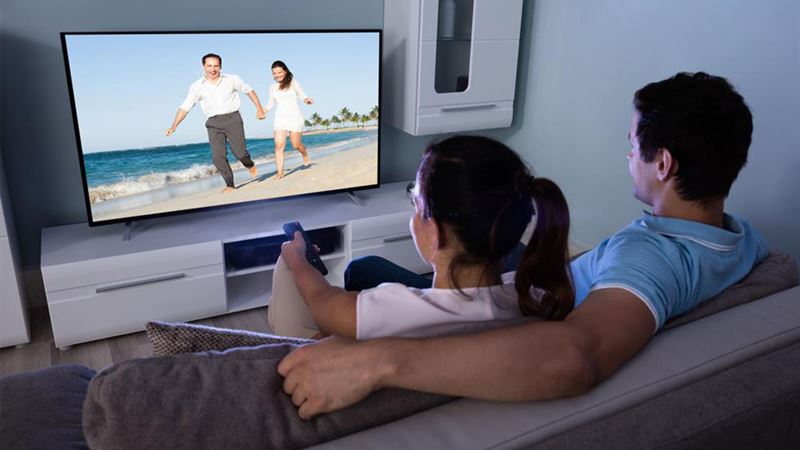
In today's digital age, Smart TVs have revolutionized the way we consume media, transforming traditional televisions into powerful entertainment hubs that offer more than just broadcast channels. These innovative devices combine high-definition video, internet connectivity, and streaming capabilities to deliver a seamless viewing experience from the comfort of your home. But what exactly makes a Smart TV “smart”? How do modern features enhance your viewing pleasure? And what should you know about the technology behind these advanced gadgets? Let’s explore these questions in detail.
Smart televisions, commonly known as Smart TVs, are equipped with internet connectivity and a built-in operating system that allows users to access a wide range of online content directly on their TV screens. Unlike conventional TVs that depend solely on cable or satellite signals, Smart TVs can stream movies, shows, music, and even internet-based applications without the need for extra devices. The primary connection often used is Wi-Fi, though many models also support Ethernet connections for more stable internet access.
The adoption of Wi-Fi technology in Smart TVs has significantly broadened their capabilities. With inbuilt Wi-Fi, users can connect to home networks effortlessly, enabling instant access to streaming platforms like Netflix, Amazon Prime, Hulu, Disney+, and many more. This enhanced connectivity has spurred a boom in the sale of Smart LED TVs across households worldwide, making them the preferred choice for entertainment systems.
However, the functionality of a Smart TV heavily depends on the strength and stability of your home internet connection. A weak Wi-Fi signal can result in buffering issues, delayed loading times, and even disconnections during streaming. To ensure smooth playback, a fast and reliable broadband connection is essential. Additionally, Smart TVs require a sufficient amount of internal memory to handle high-definition content and multitasking operations like browsing, app switching, and streaming simultaneously. Inadequate memory can sometimes cause the TV to freeze, crash, or operate sluggishly—issues comparable to computer performance problems.
Picture quality and sound have seen remarkable improvements with the advent of Smart TV technology. Leading brands such as Samsung, Sony, LG, and TCL have integrated advanced display panels and sound systems that deliver immersive viewing experiences. Modern Smart TVs support 4K Ultra HD resolution, HDR (High Dynamic Range), and OLED or QLED display technologies, all of which contribute to clearer images, vibrant colors, and deeper contrasts. Alongside visual enhancements, audio quality has also been upgraded, with some models featuring Dolby Atmos and Dolby Vision to create theater-like sound environments in your living room.
The success of streaming giants such as Netflix, Disney+, Hulu, and Amazon Prime Video underscores the popularity and importance of Smart TV technology. These platforms offer extensive libraries of movies, series, and original content, accessible at a click. As a result, traditional cable TV is gradually being replaced by these on-demand services, which are easily accessible on Smart TVs. Many consumers now prefer watching YouTube, Netflix, or Spotify directly on their televisions instead of using computers or smartphones.
This technological shift is part of an ongoing evolution, where every device aims to become smarter and more integrated. For example, smartphones have progressively incorporated features once exclusive to computers, becoming essential communication and entertainment tools. Similarly, Smart LED TVs have become all-in-one entertainment centers, capable of streaming, gaming, browsing, and more. Why rely solely on a smartphone for streaming when your Smart TV can deliver superior sound, higher resolution visuals, and a more comfortable viewing experience?
Furthermore, the operating systems embedded within Smart TVs vary among manufacturers, with some using proprietary platforms like Samsung's Tizen, LG's WebOS, or Android TV in its various versions. Each offers different interfaces, app selections, and customizations, influencing user experience. While this can sometimes lead to confusion or compatibility issues, the industry is moving toward more standardized and user-friendly platforms to ensure seamless navigation and access to a wide array of apps.
Beyond entertainment, Smart TVs also support voice commands, integration with smart home systems, and screen mirroring features, allowing users to control their devices via voice assistants like Alexa, Google Assistant, or Siri. This home automation capability further enhances the appeal of Smart TVs, making them central to a connected smart home ecosystem.
As technology continues to evolve, the future of Smart TVs looks promising—incorporating AI-driven content recommendations, improved image processing, and even holographic displays. The integration of 5G connectivity will likely further reduce latency and improve streaming quality, enabling even more immersive and interactive experiences. Moreover, innovative features like foldable screens and ultra-slim designs are on the horizon, aiming to make Smart TVs more adaptable to various living spaces and aesthetic preferences.
In conclusion, Smart TVs are no longer just television sets—they are comprehensive entertainment platforms that leverage advanced technology to deliver superior viewing experiences. From high-definition visuals and immersive sound to seamless internet access and smart home integration, these devices are transforming household entertainment worlds. To get the most out of your Smart TV, ensure a strong internet connection, keep your device updated, and explore the wide array of available apps and features. As technology advances, your Smart TV will continue to become smarter, more flexible, and even more central to modern living.