
Maximizing Business Growth with SBA’s Secured Loan Programs
Discover how SBA-guaranteed loans empower small businesses with affordable, flexible funding options. Learn about different SBA loan types, benefits, eligibility criteria, and the application process to fuel your business growth effectively.
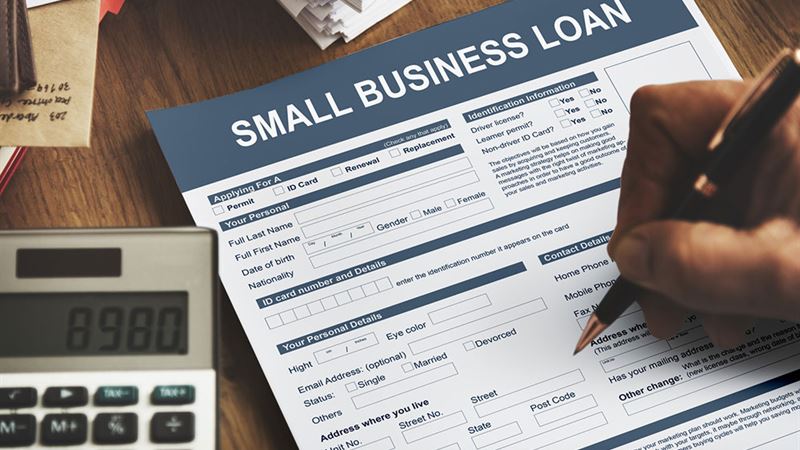
Small Business Administration (SBA) loans are a powerful financial resource designed to support small business owners in their pursuit of growth, expansion, and sustainability. One of the key advantages of SBA loans lies in their affordability, thanks to lower interest rates compared to traditional lending options. These loans are tailored to meet diverse business requirements, offering flexible funding options that can range from as little as $500 to several million dollars—up to $5.5 million—thus accommodating businesses of all sizes and sectors. Whether you need capital for purchasing equipment, expanding facilities, or managing operational expenses, SBA loans provide versatile funding solutions.
Varieties of SBA Loan Programs
The SBA offers an array of loan types, each designed to serve distinct business objectives and situations. Some of the most common SBA loan programs include:
- SBA 7(a) Loan Program: Known for its versatility, this program is ideal for working capital, equipment purchase, and real estate acquisition.
- SBA Microloans: Targeted at startups and small enterprises, microloans typically offer smaller amounts, usually up to $50,000, to help cover initial costs.
- SBA Disaster Loans: Designed to aid businesses affected by declared disasters, these loans help recover and rebuild the affected operations.
- SBA 504 Loans: Focused on fixed assets like real estate and major equipment, these loans promote long-term growth and job creation.
Each of these programs has specific eligibility criteria, funding limits, and repayment conditions, enabling small business owners to select the loan product that best fits their needs.
Benefits of Secured SBA Loans
The main appeal of SBA-backed loans is their inherent security feature—since they are guaranteed by the government, lenders are more willing to extend favorable terms. These loans are typically funded through partnerships with banks, credit unions, and other private-sector lenders, which benefit from the SBA guarantee. This guarantee reduces the lender's risk, encouraging them to provide loans that might otherwise be difficult for small businesses to secure.
One significant advantage is the flexibility in repayment terms. SBA loans often come with longer repayment periods, sometimes extending up to 25 years for real estate, and lower monthly payments. This financial flexibility makes it easier for small businesses to manage cash flow, invest in growth initiatives, and stabilize operations during challenging times.
Eligibility Requirements for SBA-Guaranteed Business Loans
While SBA loans are accessible, they are subject to specific qualification standards. The SBA maintains a set of criteria that borrowers must meet, which primarily include:
- The business owner must have invested personal time and capital into the enterprise; passive ownership is insufficient.
- The business must be registered and operational within the United States or its territories.
- All other financing avenues have been explored; SBA loans are often used when conventional bank loans are unavailable.
- The company must demonstrate profitability or a viable business plan with the potential for future income generation.
Additional factors such as income levels, ownership history, and operational scope are also considered during the loan approval process. Meeting these criteria enhances the likelihood of securing an SBA-guaranteed loan.
Step-by-Step Guide to Applying for an SBA Loan
The application process for an SBA loan is straightforward but requires preparation. Here are the essential steps:
- Visit the official SBA website to access detailed information about available loan programs and requirements.
- Prepare all necessary documentation, including financial statements, tax returns, business plans, and personal credit reports.
- Complete the SBA loan application form, clearly outlining your business’s needs and repayment ability.
- If eligible, consider applying via SBA’s streamlined platform, SBA Express, which offers expedited processing for qualified applicants.
- Alternatively, approach local banks or credit unions authorized to process SBA loans. Conduct research to compare their interest rates, terms, and application procedures.
Applying early and properly preparing your documentation can significantly improve your chances of approval. Once approved, the SBA or your lender will work with you to finalize loan disbursement and initiate repayment.
In conclusion, SBA loans are an invaluable tool for small businesses seeking dependable funding with favorable terms. Their diverse offerings, lower interest rates, and government guarantee make them an accessible option for entrepreneurs aiming for long-term success and sustainability.