
Understanding How Ragweed Allergies Impact Your Health and Well-being
Discover comprehensive insights into how ragweed allergies affect your eyes, nose, throat, and overall health. Learn about common symptoms, effective treatments, and how climate changes influence pollen seasons. Equip yourself with tips to manage these allergies and improve your well-being during peak seasons.
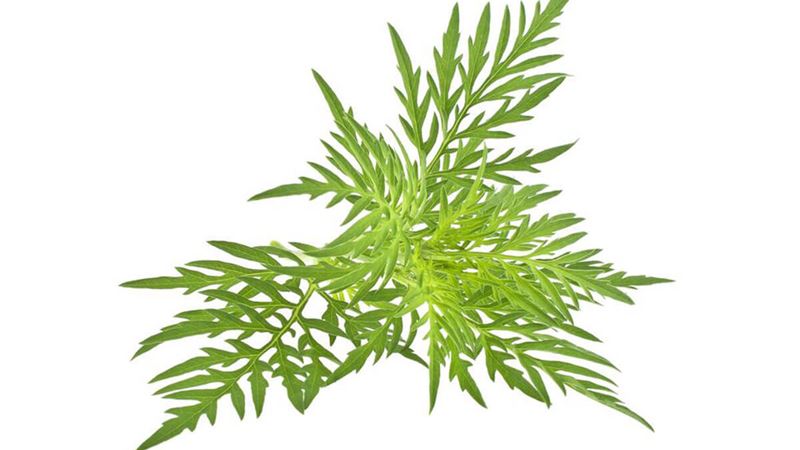
According to data from the Asthma and Allergy Foundation of America, around 20 to 25 percent of the U.S. population experience allergies to ragweed pollen. As one of the leading culprits behind seasonal allergy flare-ups in North America, ragweed pollen sets off an immune response that often leads to uncomfortable and disruptive symptoms. When exposed to ragweed, the immune system erroneously identifies the pollen as a harmful intruder, prompting it to produce chemicals designed to eliminate what it perceives as a threat. This immune activity results in an allergic reaction commonly known as allergic rhinitis or hay fever, manifesting through a variety of symptoms that can range from mild to severe.
Effects of Ragweed Allergies on Eye Health
Individuals sensitive to ragweed frequently notice that their eyes become especially affected during peak pollen seasons. Common symptoms include watery or teary eyes, intense itchiness around the eye area, and noticeable redness that can make the eyes look irritated and inflamed. Over time, prolonged exposure and persistent symptoms may lead to your eyes appearing dull, tired, and puffed up, often accompanied by dark circles beneath the eyes. These signs are clues your body is reacting strongly to ragweed pollen. Fortunately, over-the-counter eye drops containing antihistamines or lubricants can often provide relief from these discomforts, helping to soothe the eyes and reduce redness.
Ragweed’s Impact on Nasal Function and Respiratory Health
Most allergy sufferers associate ragweed with nasal symptoms. Upon pollen exposure, the nose typically responds with itchiness, increased mucus production, and a sensation of congestion. Many individuals find that their sense of smell diminishes or becomes less sharp during these episodes. Sneezing is a common initial reaction, often occurring multiple times in succession. As the condition persists, symptoms may escalate into nasal obstruction, sinus pressure, and even sinus infections or sinusitis if not properly managed. People with underlying respiratory issues, such as asthma, are particularly vulnerable; exposure to ragweed often triggers more frequent and severe asthma attacks. Managing these symptoms may involve using nasal sprays, decongestants, or saline nasal rinses to clear the nasal passages and reduce inflammation.
Throat Reactions Caused by Ragweed Allergy
In addition to ocular and nasal symptoms, ragweed can cause irritation and soreness of the throat. Early signs include mild soreness, itchy sensations, or a scratchy feeling, which may progress to a persistent cough if exposure continues. The mouth may also become dry, itchy, and uncomfortable, often leading to a reduced ability to taste foods properly. These symptoms can be quite bothersome, interfering with daily activities and sleep quality. Using over-the-counter lozenges and throat sprays can often provide temporary relief, soothing irritation and calming cough reflexes caused by allergen exposure.
Additional Ragweed Allergy Symptoms and Complications
Beyond the primary symptoms affecting eyes, nose, and throat, certain individuals may encounter additional health issues related to ragweed allergies. Ear discomfort is common, with reports of clogged ears or ear infections resulting from inflammation or fluid buildup caused by allergic reactions. Some allergy sufferers also experience increased headache frequency, along with general feelings of fatigue, irritability, and difficulty concentrating—symptoms that can interfere significantly with daily routines and productivity. In rare cases, individuals may develop allergic eczema, characterized by itchy, painful rashes consisting of small blisters and bumps that can persist for weeks. Environmental factors such as exposure to tobacco smoke, air pollution, and strong odors tend to worsen allergic responses. The latest climate patterns have extended the ragweed pollen season, thanks to warmer and longer summers, resulting in prolonged exposure and higher pollen counts. The increased airborne pollen intensifies allergic reactions and makes managing symptoms more challenging.
As per the Environmental Protection Agency (EPA), recent climatic changes have led to longer warm periods, extending the seasonal window for ragweed pollen dispersal. The result is a longer duration of pollen presence in the air, which aggravates allergy symptoms in susceptible populations. People living with ragweed allergies are advised to stay vigilant during peak seasons, utilize protective measures such as masks and air purifiers, and follow prescribed treatment plans to mitigate symptoms. Preventative strategies and early intervention can significantly improve quality of life during high pollen seasons, helping allergy sufferers manage their health more effectively amidst changing environmental conditions.