
Understanding How Prepaid Debit Cards Function and Their Benefits
Discover the comprehensive guide to how prepaid debit cards work, their benefits, drawbacks, and how to choose the best one. Learn about fees, features, and tips for managing your finances effectively with this flexible payment method, ideal for unbanked individuals, travelers, and budget-conscious users seeking secure and convenient transactions.
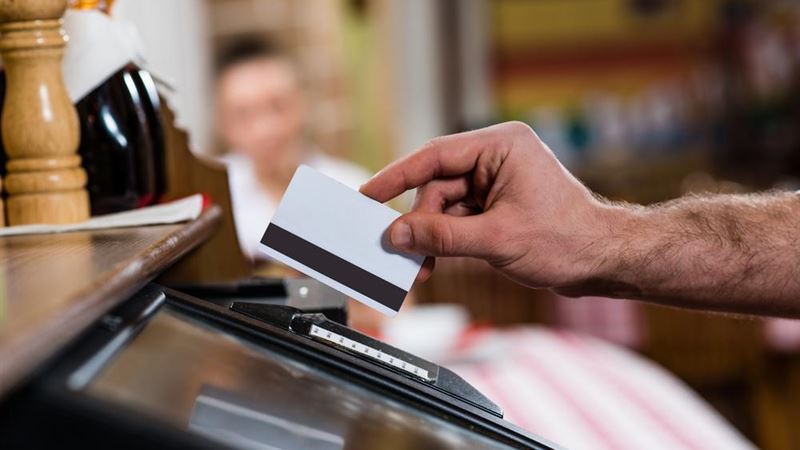
In today's fast-paced financial environment, managing money with flexibility and convenience is more important than ever. Prepaid debit cards have emerged as an increasingly popular alternative to traditional banking, offering a simple and accessible payment method for countless individuals across the globe. Unlike conventional bank accounts, prepaid cards do not require users to maintain a checking or savings account, making them an ideal solution for people who are unbanked or underbanked. This comprehensive guide will explore the ins and outs of how prepaid debit cards work, their advantages, potential drawbacks, and tips for choosing the right card to suit your financial needs.
Understanding the core functionalities of prepaid debit cards begins with recognizing that they are essentially preloaded payment tools. Users add funds to the card, which can be used for various transactions, including shopping, bill payments, and ATM withdrawals. These cards are widely accepted wherever major debit cards like Visa or Mastercard are recognized, giving user convenience and flexibility. The process of loading money onto the card can be accomplished through multiple methods including cash deposits at retail locations, bank transfers, or direct deposit of wages, depending on the card provider.
One of the main advantages of prepaid debit cards is that they do not link directly to a traditional bank account, thus reducing the barriers to financial inclusion for individuals who may not qualify for standard banking services. This makes prepaid cards particularly valuable for low-income individuals, young people, travelers, or those who prefer not to share their banking information online. Additionally, prepaid cards enable users to control their spending more effectively because they can only spend the amount that has been loaded onto the card. This feature helps in budgeting and prevents overspending, which can be a significant benefit for disciplined financial management.
Prepaid debit cards also bolster financial privacy and security. Since they do not contain sensitive banking information, the risk associated with identity theft or fraud is minimized. In case of loss or theft, users can usually report the issue and block the card, preventing unauthorized transactions. Furthermore, prepaid cards often come with features such as mobile app integration, alerts for transactions, and parental controls, making them versatile tools for various financial needs.
However, it's important to be aware of certain factors when selecting and using prepaid debit cards. The industry is still evolving, and some providers impose hidden or unexpected fees. Common charges include activation fees, monthly maintenance fees, ATM withdrawal fees, reload fees, and charges for customer service. These costs can accumulate quickly, eroding the benefits of using a prepaid card. Therefore, prospective users should diligently research different providers and compare their fee structures before committing.
When choosing a prepaid debit card, consider crucial aspects such as the card’s validity period, no-fee or low-fee periods, minimum balances, and reload options. Some cards offer a no-fee period during which users can load or spend money without incurring additional costs. Others may require a minimum balance to avoid maintenance fees. Furthermore, check whether the card allows free ATM withdrawals from a network of affiliated ATMs or charges for out-of-network usage. These factors can significantly impact the overall cost-effectiveness of the card.
Additionally, evaluate the features that attract you most. Some prepaid cards come with loyalty rewards, cashback offers, or rewards for recurring payments. Other benefits include no foreign transaction fees, discounts on online shopping, or free bill payments. These features can provide extra value and savings, making your prepaid card more than just a basic payment tool. It is compelling, especially for frequent travelers or online shoppers who want to maximize their spending benefits.
Despite their advantages, prepaid debit cards also have some limitations. They can be more expensive in the long run due to various fees, especially if you frequently withdraw cash from ATMs or need to reload the card multiple times. Moreover, they may not offer the same protections as traditional bank accounts, such as overdraft protection or interest earnings. Users should always read the terms and conditions carefully and understand the fee structure to avoid unpleasant surprises.
Several reputable financial institutions and companies provide prepaid debit cards with attractive features and comparatively lower charges. Brands like American Express, Visa, Mastercard, Bluebird, Kaiku, and others often waive activation and monthly maintenance fees, making them more economical options. Many offer online account management, transaction alerts, and customer support to enhance user experience. Always compare these options based on your specific needs, transaction habits, and fee sensitivities to select the most suitable card.
In conclusion, prepaid debit cards are powerful financial tools that provide flexibility, security, and control over your spending. They are especially beneficial for those who do not have access to traditional banking services or wish to better manage their expenses. However, potential users should conduct thorough research to understand fee structures and features before choosing a provider. With the right prepaid card, you can enjoy convenient transactions, online shopping, bill payments, and more—without the need for a bank account—making your financial life simpler and more controlled.