
The Critical Role of Early Childhood Worksheets in Education Preparation
Pre-school worksheets are vital in early childhood education, boosting literacy, numeracy, creativity, and confidence. They prepare children for kindergarten, facilitate smooth school transitions, and promote learning equity. Downloadable and affordable, these resources support parents and teachers in fostering foundational skills through engaging activities. When integrated into daily routines, worksheets help develop critical thinking, curiosity, and a lifelong love for learning. Their role in early education is indispensable for nurturing well-rounded, confident students, setting them up for future academic success and personal growth.
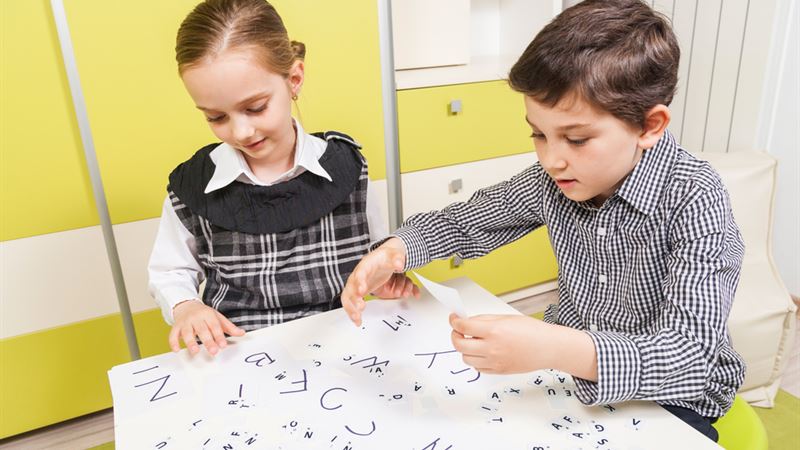
Early childhood education sets the foundation for lifelong learning and development. A key tool that has gained popularity among educators and parents alike is the use of pre-school worksheets. These resources are instrumental in preparing young children for their formal educational journey and fostering essential skills that will benefit them in kindergarten and beyond. This comprehensive guide explores how early childhood worksheets serve as powerful catalysts for cognitive, social, and emotional growth.
Understanding the Significance of Pre-School Worksheets
Pre-school worksheets are specially designed educational activities that help young children develop foundational skills such as literacy, numeracy, fine motor skills, and problem-solving. They serve as an interactive platform that bridges play-based learning with structured education, making the learning process engaging and accessible for young learners. The use of these worksheets is rooted in the idea that early exposure to academic concepts can boost confidence and curiosity in children, setting a positive tone for their formal education.
How Worksheets Facilitate Early Learning
Introducing Education in a Familiar Way
One of the primary benefits of pre-school worksheets is that they familiarize children with the types of activities and tasks they will encounter in kindergarten. By working on these sheets, children get an initial taste of concepts such as alphabet recognition, number counting, shape and color identification, and simple writing exercises. This early interaction helps to demystify the academic environment, reducing anxiety and building familiarity. Even if children make mistakes initially, they learn through trial and error, which enhances their comprehension and reinforces learning.
Fostering Adaptability to the School Environment
Children often experience a period of adjustment when transitioning from home to school. Pre-school worksheets play a vital role in easing this transition by giving them a sense of structure and routine. When children see similar tasks and types of problems in worksheets as those introduced in class, they become more adaptable, confident, and less overwhelmed during their first days at school. This proactive engagement ensures a smoother adaptation process and encourages participation in classroom activities.
Stimulating Creativity and Curiosity
Worksheets featuring blank spaces, coloring sections, and imaginative drawing prompts serve to ignite a child's creativity. Filling colors based on personal choices and completing fun activities fosters inventive thinking and enhances visual-spatial skills. Additionally, learning numbers, alphabets, and basic words through printable worksheets can trigger children’s natural curiosity about language and numeracy, prompting them to explore further beyond worksheets. Such activities promote a love for learning and help develop a well-rounded personality.
Boosting Cognitive Development
Regular engagement with educational worksheets can significantly improve a child's intellectual capabilities. Activities that require counting, matching, sorting, and problem-solving challenge the brain and improve critical thinking skills. Children who develop the habit of completing daily worksheets tend to demonstrate higher levels of reasoning ability and are often more successful academically. Incorporating a routine of worksheet-based learning supports mental agility and prepares children for more complex concepts as they progress in their education.
Cost-Effective Educational Support
One of the major advantages of pre-school worksheets is their affordability. These resources are readily available online and can be downloaded free of charge or at minimal expense. This makes quality early education accessible to families who might not afford formal preschool programs. Parents can easily incorporate worksheets into daily learning routines at home, providing a cost-effective way to nurture their child's educational development without the need for pricey materials or tuition fees.
Promoting Educational Equity
Educational inequality is a concern worldwide, especially for families with limited resources. Free pre-school worksheets provide an equal opportunity for all children to engage in learning activities regardless of socioeconomic status. By accessing these printable resources, parents can support their child’s early education, helping to close the gap between children from different backgrounds. This early intervention prevents developmental delays and social disadvantages, fostering a more inclusive educational environment.
Enhancing Parental Engagement and Support
Parents play a crucial role in nurturing their child's educational journey. Utilizing online pre-school worksheets allows parents to actively participate in their child's learning process. This involvement not only strengthens the parent-child bond but also provides insight into the child's progress and areas needing further attention. By creating consistent study routines with worksheets, parents can instill positive study habits early on, laying a solid foundation for future academic success.
Integrating Worksheets into Broader Educational Strategies
While worksheets are highly effective, they should complement broader educational activities such as reading stories, interactive play, arts and crafts, and real-world problem-solving. A balanced approach that combines worksheet exercises with hands-on experiences fosters holistic development. Educators and parents should tailor worksheet activities to align with the child's interests and learning style, making education an enjoyable and meaningful journey.
Conclusion: Making the Most of Pre-School Worksheets
Pre-school worksheets are invaluable tools that support early childhood learning in numerous ways—from enhancing cognitive skills and creativity to easing school transitions and promoting educational equality. As accessible and cost-effective resources, they serve as essential components of an enriching early education. When used thoughtfully alongside other learning strategies, worksheets empower parents and educators to nurture confident, curious, and capable young learners ready to succeed in their educational adventures.