
Comprehensive Guide to the Honda CR-V: Features, Performance, and Pricing
Explore the comprehensive overview of the Honda CR-V, highlighting its powertrain options, fuel efficiency, interior comfort, technology features, cargo capacity, and pricing. This detailed guide helps prospective buyers understand why the CR-V continues to be a top choice among compact SUVs, offering a perfect blend of performance, practicality, and modern amenities suitable for diverse lifestyle needs.
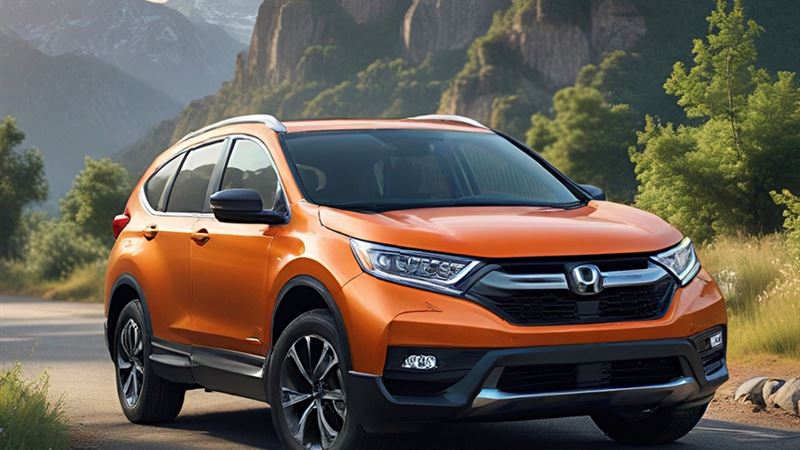
Discover everything you need to know about the Honda CR-V, a leading compact SUV renowned for its versatility, comfort, and advanced features. Whether you’re a daily commuter or an adventure seeker, the CR-V offers a balanced mix of performance, technology, and practicality. This detailed review covers engine options, fuel efficiency, interior comfort, technology integrations, cargo capacity, pricing, and much more. Dive into this extensive guide to see why the Honda CR-V remains a top choice in the compact SUV segment.
1. Powertrain Options and Driving Dynamics
The Honda CR-V is celebrated for its composed handling and reliable performance, making it stand out among its peers in the compact SUV category. The vehicle offers multiple powertrain options tailored to different driving preferences and needs. The standard setup includes a 1.5-liter turbocharged 4-cylinder engine that delivers 190 horsepower and 179 lb-ft of torque, paired with a continuously variable transmission (CVT) for smooth acceleration and efficient power delivery. Drivers can choose between front-wheel drive (FWD) or all-wheel drive (AWD) configurations depending on their needs for traction and stability.
For enthusiasts looking for hybrid technology, the CR-V offers an advanced hybrid variant equipped with a 2.0-liter 4-cylinder engine combined with dual electric motors, producing up to 204 horsepower. This hybrid setup not only enhances fuel efficiency but also provides better torque delivery, making city and highway driving more effortless.
The hybrid model features a seamless transition between electric and gas power, offering a quiet and refined driving experience. Braking systems in all variants are designed for emergency situations, providing smooth stops and optimal control. The hybrid version's operation is notably smooth, making city driving hassle-free. Cornering stability and steering responsiveness are excellent, ensuring the vehicle feels controlled and predictable on winding roads or during sharp turns.
The Sport Touring hybrid variant accelerates from 0 to 60 mph in approximately 8 seconds, which is competitive within its segment. Overall, the Honda CR-V’s powertrain choices cater to drivers seeking efficiency, performance, or a combination of both, ensuring a versatile driving experience tailored to individual preferences.
The Honda CR-V is celebrated for its composed handling and reliable performance, making it stand out among its peers in the compact SUV category. The vehicle offers multiple powertrain options tailored to different driving preferences and needs. The standard setup includes a 1.5-liter turbocharged 4-cylinder engine that delivers 190 horsepower and 179 lb-ft of torque, paired with a continuously variable transmission (CVT) for smooth acceleration and efficient power delivery. Drivers can choose between front-wheel drive (FWD) or all-wheel drive (AWD) configurations depending on their needs for traction and stability.
For enthusiasts looking for hybrid technology, the CR-V offers an advanced hybrid variant equipped with a 2.0-liter 4-cylinder engine combined with dual electric motors, producing up to 204 horsepower. This hybrid setup not only enhances fuel efficiency but also provides better torque delivery, making city and highway driving more effortless.
The hybrid model features a seamless transition between electric and gas power, offering a quiet and refined driving experience. Braking systems in all variants are designed for emergency situations, providing smooth stops and optimal control. The hybrid version's operation is notably smooth, making city driving hassle-free. Cornering stability and steering responsiveness are excellent, ensuring the vehicle feels controlled and predictable on winding roads or during sharp turns.
The Sport Touring hybrid variant accelerates from 0 to 60 mph in approximately 8 seconds, which is competitive within its segment. Overall, the Honda CR-V’s powertrain choices cater to drivers seeking efficiency, performance, or a combination of both, ensuring a versatile driving experience tailored to individual preferences.
2. Outstanding Fuel Efficiency
Fuel economy is a critical factor for many SUV buyers, and the Honda CR-V excels in this aspect. The front-wheel-drive (FWD) version achieves a combined fuel efficiency of approximately 30 miles per gallon (mpg), making it an economical choice for daily commuting and long-distance travel. The all-wheel-drive (AWD) variant's efficiency drops slightly but remains impressive for its class.
The hybrid model is a standout, offering an outstanding 40 mpg combined, significantly reducing fuel expenses over traditional gas engines. This hybrid not only provides superior fuel savings but also delivers quicker acceleration and enhanced performance compared to non-hybrid models.
Maintaining high fuel efficiency without compromising on usability, the CR-V hybrid is particularly advantageous for urban dwellers and those covering extensive daily miles. Its intelligent regenerative braking system recovers energy during deceleration, further boosting efficiency. Overall, the Honda CR-V strikes a remarkable balance between power and economy, making it a practical choice for modern drivers.
Fuel economy is a critical factor for many SUV buyers, and the Honda CR-V excels in this aspect. The front-wheel-drive (FWD) version achieves a combined fuel efficiency of approximately 30 miles per gallon (mpg), making it an economical choice for daily commuting and long-distance travel. The all-wheel-drive (AWD) variant's efficiency drops slightly but remains impressive for its class.
The hybrid model is a standout, offering an outstanding 40 mpg combined, significantly reducing fuel expenses over traditional gas engines. This hybrid not only provides superior fuel savings but also delivers quicker acceleration and enhanced performance compared to non-hybrid models.
Maintaining high fuel efficiency without compromising on usability, the CR-V hybrid is particularly advantageous for urban dwellers and those covering extensive daily miles. Its intelligent regenerative braking system recovers energy during deceleration, further boosting efficiency. Overall, the Honda CR-V strikes a remarkable balance between power and economy, making it a practical choice for modern drivers.
3. Interior Comfort and Cabin Features
Inside the Honda CR-V, comfort and convenience are prioritized to elevate the driving experience. The SUV’s suspension system is designed to absorb bumps and road imperfections efficiently, which translates into a smooth, comfortable ride even on rougher surfaces. The seats are well-cushioned, featuring standard heating options in the front row, ensuring passenger comfort during colder months.
Although ventilated seats are not available, the interior is well-insulated, minimizing road noise and creating a tranquil environment. Nevertheless, some hybrid variants might produce a slight engine noise during steep inclines, which is typical for hybrid powertrains.
The cabin is noticeably spacious, with ample legroom and headroom for both front and rear passengers. The large windows and wide door openings facilitate easy ingress and egress, making the SUV suitable for families and older passengers alike. The rear seats are adjustable and recline to enhance passenger comfort during longer trips.
Overall, the interior layout emphasizes practicality and comfort, making every journey enjoyable for everyone on board.
Inside the Honda CR-V, comfort and convenience are prioritized to elevate the driving experience. The SUV’s suspension system is designed to absorb bumps and road imperfections efficiently, which translates into a smooth, comfortable ride even on rougher surfaces. The seats are well-cushioned, featuring standard heating options in the front row, ensuring passenger comfort during colder months.
Although ventilated seats are not available, the interior is well-insulated, minimizing road noise and creating a tranquil environment. Nevertheless, some hybrid variants might produce a slight engine noise during steep inclines, which is typical for hybrid powertrains.
The cabin is noticeably spacious, with ample legroom and headroom for both front and rear passengers. The large windows and wide door openings facilitate easy ingress and egress, making the SUV suitable for families and older passengers alike. The rear seats are adjustable and recline to enhance passenger comfort during longer trips.
Overall, the interior layout emphasizes practicality and comfort, making every journey enjoyable for everyone on board.
4. Premium Interior Features and Technology
The Honda CR-V boasts a modern, user-friendly infotainment system that keeps drivers connected and entertained. The base LX and EX trims feature a 7.0-inch touchscreen with physical tuning and volume knobs for ease of use. Moving up to the EX-L trim introduces a larger 9.0-inch touchscreen, which includes an integrated navigation system, providing simpler navigation with clear mapping.
Both systems support Android Auto and Apple CarPlay, allowing seamless smartphone integration for calls, messaging, and audio streaming. The larger display removes physical tuning knobs but compensates with touch responsiveness and intuitive controls. Wireless charging pads are standard across the higher trims, eliminating the need for cables to keep smartphones powered.
The system features multiple USB ports, including two USB-C ports for rear passengers, catering to the modern connectivity needs. The voice recognition system enhances the overall user experience, though it is somewhat basic compared to more advanced competitors.
Advanced safety and driver-assistance features such as lane-centering steering, adaptive cruise control, collision mitigation braking, and blind-spot monitoring are included to aid drivers and improve safety. The Sport Touring trim offers additional navigational aid and a more sophisticated infotainment experience. Overall, Honda’s technology offerings in the CR-V emphasize practicality, safety, and ease of use.
The Honda CR-V boasts a modern, user-friendly infotainment system that keeps drivers connected and entertained. The base LX and EX trims feature a 7.0-inch touchscreen with physical tuning and volume knobs for ease of use. Moving up to the EX-L trim introduces a larger 9.0-inch touchscreen, which includes an integrated navigation system, providing simpler navigation with clear mapping.
Both systems support Android Auto and Apple CarPlay, allowing seamless smartphone integration for calls, messaging, and audio streaming. The larger display removes physical tuning knobs but compensates with touch responsiveness and intuitive controls. Wireless charging pads are standard across the higher trims, eliminating the need for cables to keep smartphones powered.
The system features multiple USB ports, including two USB-C ports for rear passengers, catering to the modern connectivity needs. The voice recognition system enhances the overall user experience, though it is somewhat basic compared to more advanced competitors.
Advanced safety and driver-assistance features such as lane-centering steering, adaptive cruise control, collision mitigation braking, and blind-spot monitoring are included to aid drivers and improve safety. The Sport Touring trim offers additional navigational aid and a more sophisticated infotainment experience. Overall, Honda’s technology offerings in the CR-V emphasize practicality, safety, and ease of use.
5. Cargo Capacity and Practical Storage Solutions
cargo space is a significant aspect of any SUV, and the Honda CR-V excels with its versatile storage capabilities. Behind the rear seats, there is approximately 39.3 cubic feet of cargo space, providing ample room for groceries, luggage, sports gear, or shopping bags. The rear seats can be folded flat to expand cargo capacity, accommodating larger or bulkier items with ease.
Despite being a compact SUV, the cargo area remains efficiently designed with adequate vertical height and width. This ensures that larger items, such as boxes or outdoor equipment, can fit comfortably.
Notably, Honda has maintained consistent cargo capacity across both hybrid and non-hybrid models, offering buyers the same practical storage regardless of engine choice. The wide access rear hatch and low load height make loading and unloading straightforward, even for heavier objects.
For added flexibility, the rear seats recline to provide additional comfort or expand the cargo space as needed, making the CR-V a highly functional vehicle for everyday needs and weekend adventures.
cargo space is a significant aspect of any SUV, and the Honda CR-V excels with its versatile storage capabilities. Behind the rear seats, there is approximately 39.3 cubic feet of cargo space, providing ample room for groceries, luggage, sports gear, or shopping bags. The rear seats can be folded flat to expand cargo capacity, accommodating larger or bulkier items with ease.
Despite being a compact SUV, the cargo area remains efficiently designed with adequate vertical height and width. This ensures that larger items, such as boxes or outdoor equipment, can fit comfortably.
Notably, Honda has maintained consistent cargo capacity across both hybrid and non-hybrid models, offering buyers the same practical storage regardless of engine choice. The wide access rear hatch and low load height make loading and unloading straightforward, even for heavier objects.
For added flexibility, the rear seats recline to provide additional comfort or expand the cargo space as needed, making the CR-V a highly functional vehicle for everyday needs and weekend adventures.
6. Pricing and Trim Levels
The Honda CR-V offers an array of trim levels, allowing buyers to select a configuration that best suits their budget and preferences. The starting point is the LX trim, which typically begins at around R$1,71,900. It provides essential features and a reliable powertrain suitable for budget-conscious buyers.
The mid-range EX trim is priced at approximately R$1,84,200, adding more comfort and convenience features like a larger touchscreen, improved interior materials, and additional safety assist systems. For those seeking more luxury, the EX-L trim, priced at around R$1,98,700, includes leather upholstery, a power tailgate, and a premium audio system.
The hybrid variants cater to environmentally conscious consumers and are priced accordingly: the Sport Hybrid at roughly R$1,91,490; the Sport-L Hybrid at about R$2,11,550; and the top-tier Touring Hybrid at approximately R$2,30,415.
Buyers opting for non-hybrid models should focus on the LX, EX, or EX-L trims, which feature efficient gas engines and desirable features like large touchscreens, premium upholstery, and advanced safety options. Hybrid trims are suited for those prioritizing fuel economy and eco-friendliness without sacrificing comfort or technological amenities.
The pricing structure reflects Honda’s aim to offer accessible, feature-rich vehicles that cater to a broad spectrum of buyers. With competitive pricing and a wide range of options, the Honda CR-V remains one of the most popular SUVs in its segment.
The Honda CR-V offers an array of trim levels, allowing buyers to select a configuration that best suits their budget and preferences. The starting point is the LX trim, which typically begins at around R$1,71,900. It provides essential features and a reliable powertrain suitable for budget-conscious buyers.
The mid-range EX trim is priced at approximately R$1,84,200, adding more comfort and convenience features like a larger touchscreen, improved interior materials, and additional safety assist systems. For those seeking more luxury, the EX-L trim, priced at around R$1,98,700, includes leather upholstery, a power tailgate, and a premium audio system.
The hybrid variants cater to environmentally conscious consumers and are priced accordingly: the Sport Hybrid at roughly R$1,91,490; the Sport-L Hybrid at about R$2,11,550; and the top-tier Touring Hybrid at approximately R$2,30,415.
Buyers opting for non-hybrid models should focus on the LX, EX, or EX-L trims, which feature efficient gas engines and desirable features like large touchscreens, premium upholstery, and advanced safety options. Hybrid trims are suited for those prioritizing fuel economy and eco-friendliness without sacrificing comfort or technological amenities.
The pricing structure reflects Honda’s aim to offer accessible, feature-rich vehicles that cater to a broad spectrum of buyers. With competitive pricing and a wide range of options, the Honda CR-V remains one of the most popular SUVs in its segment.