
Comprehensive Home Mold Detection Guide: Ensuring a Healthy Living Space
This comprehensive guide explores various home mold detection methods, including testing types, interpretation of results, and effective remediation strategies. It emphasizes the importance of early detection for maintaining a healthy indoor environment, safeguarding health, and preventing structural damage. Homeowners learn to choose suitable mold testing options, understand lab reports, and take proactive measures to keep their living spaces safe. Combining knowledge with practical steps, this article aims to equip readers with the tools needed for effective mold management and a healthier home environment.
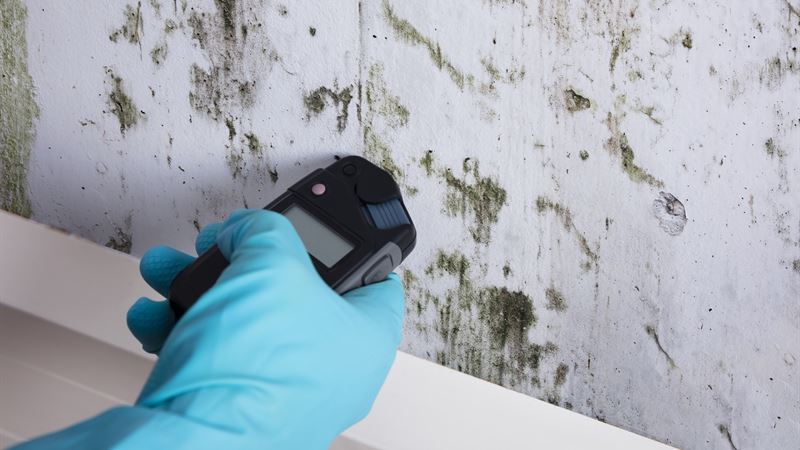
The Importance of Mold Testing at Home
Proactively testing for mold in your residence is a crucial component of maintaining premium indoor air quality. Mold often develops in hidden locations—behind walls, beneath flooring, inside ventilation systems, and within insulation—making visual detection difficult. Utilizing home mold testing kits provides a practical, affordable, and reliable method to detect and evaluate mold presence. Early testing enables homeowners to implement effective remediation strategies before mold proliferation worsens, helping to preserve both health and property integrity.
Various Types of Home Mold Tests Explained
Choosing the right mold testing method depends on specific circumstances, budget, and the nature of suspected contamination. Each testing type offers unique insights and limitations. Understanding these options will empower homeowners to select the most suitable approach for their situation.
1. Air Quality Sampling Tests
This commonly used method involves sampling the air to measure mold spore concentrations. Devices like portable pumps draw air through filters or spore traps, which are then analyzed in laboratories. Air sampling is particularly effective for assessing airborne mold levels, which directly impact indoor air quality and occupant health. However, it might not reveal molds hidden within solid materials or surfaces.
2. Surface Sampling Techniques
Surface testing entails collecting samples directly from visible mold patches or suspected areas using swabs or sticky tape. These samples are subsequently examined in labs to identify the mold species present. Surface sampling offers precise identification of specific mold colonies but doesn't provide data on airborne mold concentrations, which are equally important for a comprehensive assessment.
3. Bulk Material Testing
This invasive testing involves removing portions of suspect materials such as drywall, carpet, or insulation for lab analysis. Bulk testing is valuable for detecting mold embedded within building materials, especially in cases with extensive or concealed growth. Due to its invasive nature, this method might require professional assistance to ensure proper removal and testing procedures.
4. DIY Mold Testing Kits
For homeowners seeking quick solutions, DIY mold testing kits are accessible online or at hardware stores. These kits typically include petri dishes, swabs, and instructions for sample collection, which can then be sent to laboratories or incubated at home. While offering convenience and affordability, DIY kits might lack the accuracy and comprehensive assessment provided by professional services. Therefore, results should be interpreted cautiously, and if mold presence is confirmed, professional testing and remediation are recommended.
Understanding and Analyzing Mold Test Outcomes
After receiving test results, it’s crucial to interpret the data accurately. Laboratory reports detail the types of mold spores detected and their concentrations. Common indoor molds like Aspergillus, Penicillium, and Cladosporium can vary in health impact. Elevated levels necessitate prompt action to limit exposure risks. Identifying moisture sources, such as leaks or humidity issues, is essential to controlling mold growth. Implementing repairs, improving ventilation, and using dehumidifiers are effective steps. In more severe infestations, hiring certified mold remediation experts guarantees thorough removal and ongoing prevention.
Maintaining a healthy living environment hinges on consistent mold monitoring. Early detection through home tests empowers homeowners to take targeted action, reducing health risks and preventing extensive damage. Educating oneself on testing options, proper interpretation of results, and remediation techniques fosters a safer, more comfortable home. Combining routine testing with moisture control strategies helps ensure lasting indoor air quality and peace of mind for residents.