
Exploring the Origins and Secrets of Authentic Spaghetti alla Carbonara
Discover the fascinating history and authentic recipe behind spaghetti alla carbonara, Italy's beloved pasta dish. Learn about its origins, traditional ingredients, and step-by-step preparation tips to create a perfect, traditional carbonara at home. This detailed guide unveils the cultural significance and evolution of this iconic cuisine, helping enthusiasts deepen their understanding while cooking up a classic meal. Perfect for food lovers, chefs, and anyone interested in Italian culinary traditions, this comprehensive article celebrates the rich heritage and timeless appeal of carbonara.
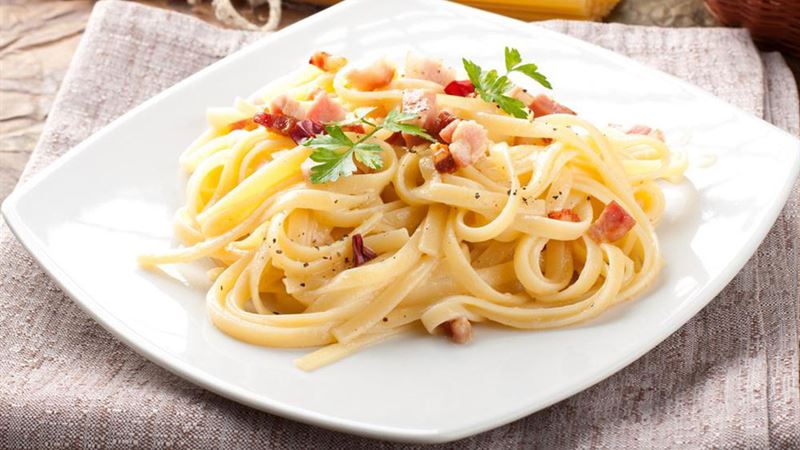
Spaghetti alla carbonara stands as one of Italy’s most iconic and beloved pasta dishes, rich in history and culinary tradition. Its origins are as flavorful and debated as its ingredients, with legends and stories spanning centuries and cultures. This dish’s unique combination of simple ingredients—pasta, eggs, cheese, cured pork, and black pepper—has contributed to its global popularity. While many enthusiasts seek to recreate the traditional recipe, understanding its history offers a deeper appreciation of its cultural significance and the craftsmanship behind a perfect carbonara.
The story of how spaghetti alla carbonara came to be is shrouded in mystery and folklore. One popular narrative traces its roots back to the early 20th century in Rome, where it is believed to have been named after the charcoal workers, or "carbonai," who prepared hearty meals using preserved ingredients over open fires. These workers, often living in the mountains surrounding Rome, would prepare simple yet flavorful dishes to sustain long hours of labor, giving rise to the dish’s rustic character. The name "carbonara" itself is thought to derive from this association, emphasizing the dish’s humble beginnings and connection to working-class Italy.
An alternative story claims that the dish was first crafted at La Carbonara, a restaurant in Rome, around 1912. This version emphasizes the use of black pepper, which is a distinctive feature of the dish today. The addition of black pepper is said to be a nod to the dish’s origins among charcoal workers—adding a smoky, spicy note that complemented the savory pork and creamy sauce. Over time, this recipe became a symbol of Roman culinary identity, evolving with regional variations and personal twists.
One of the most fascinating tales involves American soldiers stationed in Italy during World War II. It is said that soldiers brought powdered eggs and bacon, ingredients not typical of traditional Italian cuisine, which locals then incorporated into pasta dishes. This improvised meal reportedly led to the creation of what we now call spaghetti alla carbonara. However, Italian food purists argue that the dish predates these wartime influences, with traces of similar recipes dating back to the 19th century, often using ingredients like guanciale or pancetta instead of bacon.
Initially, authentic carbonara used cured pork such as guanciale or pancetta, which imparts a distinctive rich flavor. Bacon, while commonly used today globally, was a later adaptation. The choice of cheese—either Pecorino Romano or Parmigiano Reggiano—further defines the dish’s regional character. Fresh black pepper is an essential ingredient, providing the signature spicy kick, and garlic is sometimes added for an aromatic touch, though purists often omit it to preserve simplicity. The preparation process is straightforward but demands attention to detail to achieve the perfect balance of creaminess and flavor.
Making traditional spaghetti alla carbonara at home involves a careful selection of ingredients and precise technique. Start by boiling high-quality dried spaghetti in salted water until al dente—firm to the bite. Meanwhile, prepare the sauce: whisk together egg yolks with freshly grated Pecorino Romano or Parmigiano Reggiano and freshly ground black pepper until smooth. In a skillet, heat a small amount of olive oil and add crushed garlic if desired, then cook the diced guanciale or pancetta until it is crispy and golden. Remove the garlic before combining. Immediately transfer the hot, drained pasta to the pan with pork, then remove from heat and stir in the egg and cheese mixture. The residual heat will create a velvety sauce that coats each strand of pasta without curdling. Finish with an extra sprinkle of cheese and black pepper to taste.
It’s important to serve fresh, enjoying the consistency and flavors before the sauce cools or sets. Traditionalists prefer a simple presentation, emphasizing the quality of each ingredient. Variants and modern adaptations exist, but an authentic plate of carbonara remains true to its humble roots—rich, creamy, and intensely flavorful. Mastering this dish allows home cooks to connect with Italy’s culinary heritage and enjoy a taste of Roman tradition in their own kitchens. Whether celebrating Italian cuisine or exploring new culinary skills, spaghetti alla carbonara offers a delicious journey through history and flavor innovation.