
Evolution and Significance of Commercial Christmas Decorations
Explore the history and evolution of commercial Christmas decorations, from traditional evergreen trees and ornaments to modern lighting displays. Discover their cultural significance and how they amplify holiday joy worldwide, fostering community spirit and economic growth during the festive season.
Comprehensive Overview of Christmas Decoration Types and Their Historical Roots
Christmas Trees: At the heart of Christmas celebrations worldwide, the Christmas tree is a symbol of festivity, hope, and renewal. Traditionally, evergreen trees such as fir, pine, or spruce are decorated with a variety of ornaments, lights, and garlands. Historically, placing an evergreen tree indoors during winter dates back centuries and was believed to bring life and fertility amidst the darkness of the season. Over time, this practice evolved into a central holiday tradition across many cultures, especially in Western countries, sweeping globally as an iconic symbol of Christmas celebrations.
Festive Greenery and Decor: Other widespread holiday decorations include festive plants such as mistletoe, holly, and ivy. These are often displayed indoors with elaborate garlands and evergreen foliage, symbolizing eternal life and fertility. Mistletoe, in particular, became a romantic tradition where couples would exchange kisses beneath it, a custom still practiced today. Holly and ivy, with their vibrant leaves and berries, add natural beauty while conveying ancient symbolism of protection and eternal life.
Ornaments and Decorative Accents: A major aspect of commercial Christmas decoration involves ornaments crafted from glass, wood, metal, or ceramics. These decorations range from traditional to modern designs, including characters like Santa Claus, snowmen, angels, and snowflakes. Candy canes, with their distinctive red and white stripes, are also popular. Commercial ornaments span a wide variety of styles, reflecting evolving tastes and cultural influences.
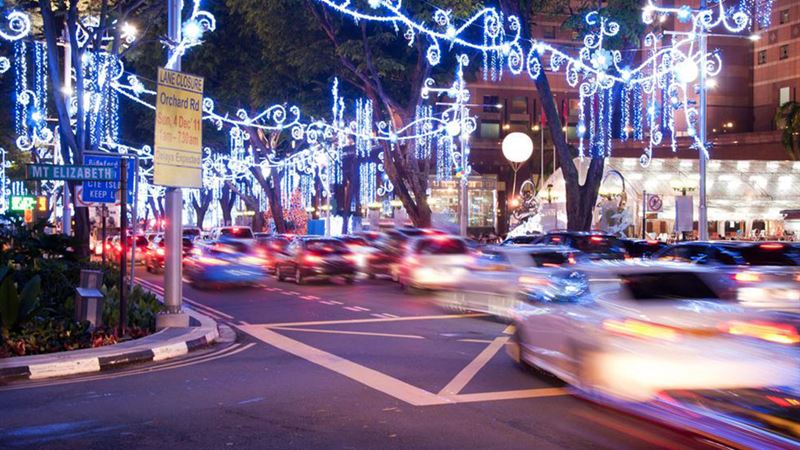
Illuminations and Lighting Displays: The tradition of Christmas lighting began shortly after the invention of the practical electric light bulb by Thomas Edison. Edward H. Johnson, one of Edison’s associates, is credited with creating the first string of Christmas lights by wiring a display of red, blue, and white globes in his home in New York. Today, Christmas lights have become a staple of both indoor and outdoor displays, with vibrant colors such as red, green, and white illuminating streets, houses, and trees — collectively known as fairy lights. These lights symbolize joy, warmth, and the welcoming spirit of the holiday season.
Christmas Stockings and Filling Traditions: Hanging stockings is a cherished custom originating from European folklore. Typically hung on Christmas Eve, these socks or sock-shaped bags are filled by Santa Claus with small gifts, candies, or treats. The tradition fosters anticipation and delight among children. The practice is believed to have various origins, but it gained popularity during the 19th century in America and Europe, symbolizing generosity, surprise, and festive cheer.
The Christmas Pickle: A Unique Ornament with Fascinating Origins
The Christmas pickle is an unusual ornament placed on the Christmas tree, with the first child to find it on Christmas morning receiving an extra special gift from Santa Claus. While its origins are debated, it’s widely considered an American tradition conceived in the late 19th or early 20th century. Some theories suggest it was influenced by German customs, though historical evidence is limited. Regardless of its origin, the Christmas pickle remains a popular and playful holiday decoration, symbolizing luck and good fortune.
Impact of Decorations on Holiday Spirit and Commercial Celebrations
The display of Christmas decorations serves to elevate the festive atmosphere, fostering joy, excitement, and a sense of community. These decorations are not merely aesthetic but also symbolic, reinforcing the themes of renewal, hope, and generosity. In contemporary times, commercial Christmas decorations encompass a vast array of products — from garlands and ornaments to illuminated figurines of snowmen, reindeer, sleighs, and Santa Claus himself. The availability and variety of decorations have increased exponentially, facilitating elaborate decorating practices in homes, shopping centers, and public squares worldwide. As a result, the festive season has become a grand spectacle, with light displays and ornamentation uniting people in celebration of this most joyous time of the year.
The widespread use of commercial decorations highlights their importance in boosting holiday spirits, attracting tourism, and stimulating economic activity within the retail sector. During this season, shopping malls and city streets are transformed into winter wonderlands, encouraging consumers to partake in holiday shopping, gift-giving, and communal festivities. The tradition of decorating for Christmas continues to evolve, incorporating modern technology such as synchronized light shows and interactive displays, ensuring that the holiday remains vibrant and engaging for generations to come.