
A Comprehensive History of Broadway Theaters and Their Cultural Significance
Explore the rich history of Broadway theaters, tracing their evolution from 19th-century origins to today’s iconic district. Discover how societal changes, technological innovations, and artistic milestones transformed Broadway into the world’s premier theater hub, reflecting American culture and resilience across generations.
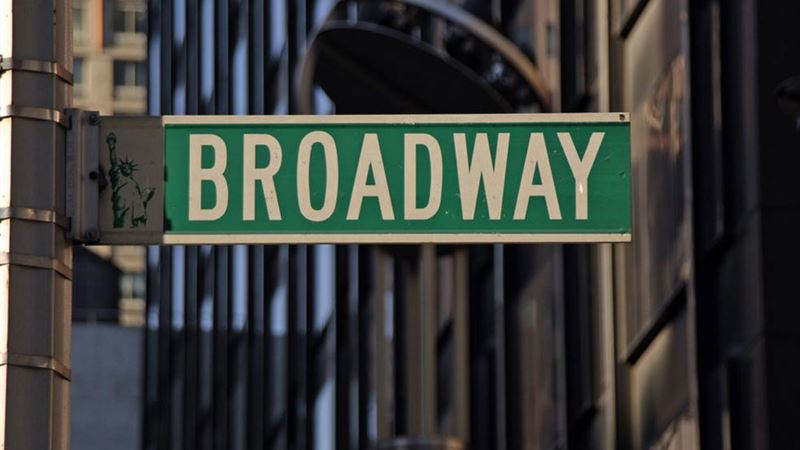
The development of Broadway theaters over the past two centuries embodies a captivating story of cultural evolution, societal shifts, and artistic innovation. From their humble beginnings in the 19th century to becoming the world’s most iconic theatre district, Broadway theaters have reflected and influenced American history and culture in profound ways. This extensive narrative explores the fascinating journey of Broadway, highlighting key milestones, social changes, technological advances, and the enduring spirit of creativity that continues to define this legendary artistic hub.
In the early 1800s, New York City was a burgeoning metropolis undergoing rapid transformation. The theatrical scene during this period was largely informal and fragmented, with performances held in makeshift venues. However, societal divisions and class distinctions significantly shaped the theatrical landscape. An infamous incident at the Astor Theater marked a pivotal moment, spotlighting discrimination against lower-class patrons that eventually led to a formal split in entertainment offerings based on social class. The upper class favored highbrow opera performances, while the middle class gravitated toward minstrel shows, which featured comedy, music, dance, and melodramas. Meanwhile, working-class audiences flocked to a variety of production shows tailored to their tastes and social circumstances.
By the mid-19th century, the theater industry experienced a geographical shift. Theaters gradually moved uptown from their original downtown locations, settling along what is now known as Broadway Street. This change was driven by improvements in transportation, street lighting, and urban development, which made access easier and safer for audiences. Additionally, the declining presence of vice activities like prostitution created a more family-friendly atmosphere, encouraging broader social participation in theatrical events. The relocation of theaters catalyzed the growth of Broadway as a dedicated entertainment district, laying the foundation for its future prominence.
The second half of the 19th century marked a period of remarkable innovation and artistic achievement. Notably, the production of The Black Crook in 1866 is considered the first modern musical, featuring original songs, choreography, and elaborate stage effects. This production set the stage—literally and figuratively—for what would become the quintessential American art form: musical theater. As the century progressed, Broadway theaters began showcasing increasingly sophisticated performances that combined storytelling with technological innovation. The theaters themselves underwent improvements, with the advent of new stage machinery, lighting techniques, and scenic design, transforming the theatrical experience and elevating its artistic status.
In the early 1900s, Broadway gained a new nickname: “The Great White Way.” This moniker was inspired by the installation of enormous white electric signs and lighting displays, which illuminated the district and made it a vibrant, captivating spectacle after dark. The glow of Broadway's iconic lights symbolized the optimism and glamour associated with the American theater scene. Despite this luminous reputation, Broadway faced significant challenges. The rise of motion pictures posed a threat to traditional theater attendance, as audiences increasingly turned to cinema for entertainment. Critics questioned whether live theater could survive in a rapidly changing cultural landscape marked by technological advances and shifting consumer preferences.
Throughout the first half of the 20th century, Broadway theaters played a vital role in addressing societal issues and expressing the zeitgeist of their eras. During times of war, economic depression, and social upheaval, playwrights and performers used the stage as a platform for commentary, protest, and celebration. Many artists used their craft to critique authoritarian regimes in Europe, depict the struggles of everyday Americans, and reflect on the rapidly changing societal norms. These productions often carried messages of hope, resilience, and unity, resonating deeply with audiences facing uncertain futures.
The Great Depression of the 1930s was a particularly challenging period for the theater industry. Nevertheless, Broadway experienced a renaissance as audiences sought escapism and inspiration through musical comedies, dramas, and revues. The post-World War II era marked a golden age for Broadway, characterized by soaring box office sales, creative experimentation, and the emergence of legendary performers and composers. High-profile productions like "Oklahoma!" and "The Sound of Music" redefined the musical genre and attracted diverse audiences from around the world. This period also saw the proliferation of theaters, with the presentation of more innovative and culturally diverse works, broadening the scope of American theatrical expression.
Today, Broadway remains an emblem of artistic excellence, cultural diversity, and resilience. The district proudly houses over 40 historic theaters along a 13-mile stretch of Manhattan, each offering a unique venue for storytelling and creative exploration. Broadway’s influence extends far beyond its physical boundaries, shaping American culture and entertaining millions globally. The industry continues to evolve, integrating new technologies such as immersive staging, digital effects, and innovative storytelling techniques, ensuring its relevance for future generations. More than just a popular entertainment hub, Broadway embodies the spirit of American ingenuity, perseverance, and artistic vision, making it a once-in-a-lifetime experience for visitors from all over the world.