
Essential Foods to Steer Clear of for Cancer Prevention and Health Optimization
This comprehensive article explores common dietary risks associated with cancer, emphasizing foods to avoid such as processed meats, fried foods, and alcohol. It highlights the importance of healthy eating habits, introduces innovative immunotherapy treatments, and offers practical tips for cancer prevention and boosting the immune system. Providing in-depth insights, it aims to educate readers on making smarter dietary choices for long-term health. The article underscores the significance of nutrition and lifestyle adjustments in reducing cancer risk and supporting overall well-being, empowering individuals to take proactive steps towards a healthier life.
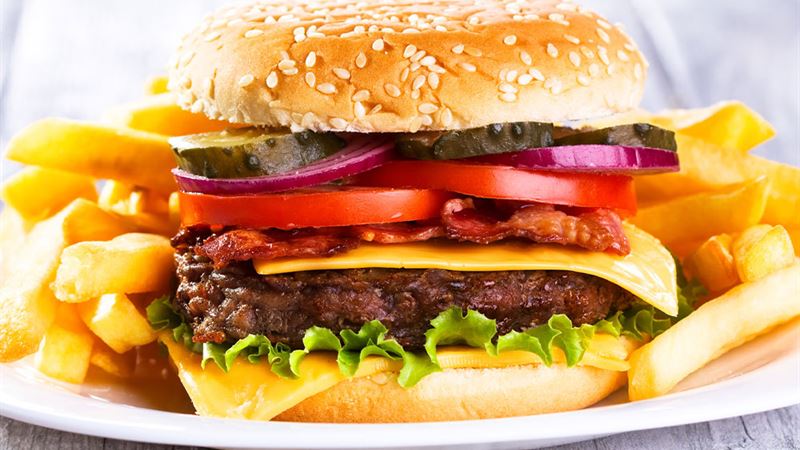
Research indicates that excessive intake of certain processed and unhealthy foods significantly elevates the risk of developing various types of cancer, including breast, stomach, and colorectal cancers. Understanding which foods can potentially increase cancer risk and choosing healthier alternatives plays a vital role in maintaining overall health and reducing the likelihood of illness. This comprehensive guide explores the foods that are best to avoid and how they impact your body, along with insights into dietary choices that support cancer prevention and boost your immune system.
Over the years, numerous scientific studies have established a clear link between dietary habits and cancer risk. Particularly, processed meats, fried foods, and alcohol consumption are frequently associated with heightened danger of developing certain cancers. Additionally, understanding emerging treatments such as immunotherapy provides hope and additional strategies for combating cancer effectively. A balanced, nutritious diet combined with awareness of harmful food choices can serve as a powerful tool in cancer prevention and overall well-being.
- Processed meats, like sausages, bacon, and deli meats, have been linked to increased risks of breast, stomach, and colorectal cancers. These foods often contain preservatives and chemicals that may damage DNA, promoting carcinogenesis.
- Fried foods, especially those cooked at high temperatures, contain acrylamide—a chemical compound known for its DNA-damaging effects. Regular consumption of fried items can contribute to obesity, insulin resistance, and oxidative stress, all of which are risk factors for various cancers.
- Alcohol consumption is a well-documented risk factor, with the liver metabolizing alcohol into acetaldehyde, a recognized carcinogen. Excessive drinking weakens immune defenses and damages genetic material, making it easier for cancerous cells to develop and proliferate.
- Dietary choices are crucial in reducing cancer risk. Incorporating fresh fruits, vegetables, whole grains, and lean proteins can bolster immunity and detoxification processes. Conversely, limiting the intake of the foods listed above is a preventative measure that can significantly reduce your chances of developing cancer.
Beyond diet, scientific advancements like immunotherapy are transforming cancer treatment. Immunotherapy harnesses the body's immune system to identify and destroy cancer cells, offering promising hope for patients. Techniques such as T-cell transfer therapy, where immune cells are extracted, enhanced, and reintroduced into the body, exemplify the innovative approaches now available.
In addition to medical treatments, maintaining a healthy lifestyle with a nutritious diet, regular exercise, and avoiding harmful substances is fundamental. Understanding the impact of food choices on your health empowers you to make informed decisions that can prevent cancer altogether or improve outcomes if diagnosed.
If you are managing existing health conditions or aiming to lower your risk, consulting healthcare professionals is essential. They can provide tailored advice and recommend specific dietary and lifestyle changes to suit your individual needs. Remember, small adjustments in your daily routine can have profound effects on your health trajectory over time.