
Effective Strategies to Boost Blood Circulation Through Healthy Lifestyle Choices
Discover effective natural strategies to improve blood circulation through lifestyle modifications such as hydration, stress management, physical activity, moderation in alcohol consumption, and massage therapy. These holistic approaches promote cardiovascular health and overall well-being by encouraging better blood flow and reducing disease risk.
Maintaining optimal blood circulation is essential for overall health and well-being. Proper blood flow ensures that oxygen and nutrients are efficiently delivered to tissues and organs, supporting cellular function and removing waste products. Many factors influence blood circulation, including hydration, physical activity, stress levels, and lifestyle habits. Incorporating healthy habits into daily routines can significantly enhance blood flow, reduce the risk of cardiovascular issues, and promote a healthier life. In this comprehensive guide, we explore proven strategies to improve blood circulation naturally and sustainably.
Stay Adequately Hydrated — Proper hydration is fundamental for maintaining healthy blood circulation. Blood is predominantly composed of water, which helps keep blood vessels flexible and functioning smoothly. Dehydration can cause blood to become thicker, making it harder for the heart to pump efficiently and increasing the risk of circulation problems. Ensuring you drink enough water throughout the day — typically 8-10 glasses for most adults — supports optimal blood viscosity and aids in flushing out toxins. Besides plain water, herbal teas and water-rich foods like fruits and vegetables also contribute to maintaining proper hydration levels.
Manage Stress Effectively — Chronic stress has a direct impact on blood flow and cardiovascular health. When stressed, the body triggers a fight-or-flight response, releasing stress hormones such as adrenaline and cortisol, which can constrict blood vessels. Over time, this constriction hampers circulation and may contribute to high blood pressure and other circulatory issues. Engaging in stress-reducing activities like meditation, deep breathing exercises, or hobbies such as painting, gardening, or cycling can help mitigate these effects. Regular relaxation practices promote better vessel elasticity and improve overall blood movement.
Incorporate Regular Physical Activity — Physical movement is one of the most effective ways to stimulate blood flow. Sedentary lifestyles contribute to poor circulation, increasing the risk of clots, varicose veins, and cardiovascular diseases. Aim for at least 30 minutes of moderate exercise daily, such as brisk walking, jogging, cycling, or swimming. Activities like yoga and stretching exercises also enhance flexibility and promote better circulation by improving blood vessel elasticity and muscle tone. Consistent movement ensures that blood reaches all parts of the body efficiently, supporting vital organ function and energy levels.
Limit Alcohol Consumption — Excessive alcohol intake can have adverse effects on blood circulation. Alcohol can cause dehydration, which makes blood thicker and harder to pump. It also promotes fat buildup in arteries and can increase blood pressure, impairing normal blood flow. To support healthy circulation, it’s best to consume alcohol in moderation — if at all. For many, this means no more than one standard drink per day for women and two for men. Reducing alcohol intake not only improves blood flow but also benefits overall cardiovascular health.
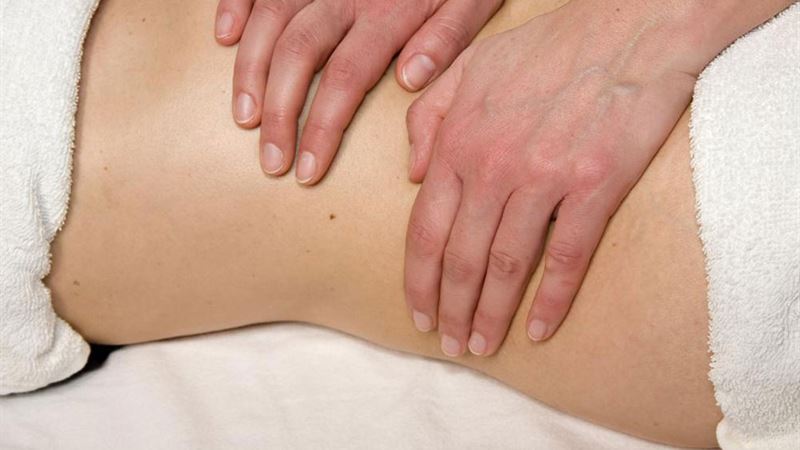
Opt for Therapeutic Massage — Regular massages are a natural way to enhance blood circulation. Skilled massage therapists use techniques that stimulate blood vessels, encouraging better blood flow to muscles and tissues. Using nourishing oils like coconut or almond oil can enhance the experience and promote relaxation. Massages help release muscle tension, reduce stress hormones, and support the lymphatic system, which plays a crucial role in detoxification and immune function. Scheduling a massage session once a week or biweekly can yield noticeable improvements in circulation and overall vitality.
Adopt a Healthy Lifestyle — Beyond specific habits, a holistic approach to health significantly impacts blood circulation. Maintaining a balanced diet rich in fruits, vegetables, whole grains, lean proteins, and healthy fats provides essential nutrients that support vascular health. Avoiding processed foods high in saturated fats, trans fats, and excess salt helps prevent arterial blockages and hypertension. Quitting smoking, managing blood sugar levels, and getting regular health check-ups are vital components of overall circulatory health. A proactive lifestyle not only enhances blood flow but also reduces the risk of chronic diseases.
In conclusion, improving blood circulation is achievable through simple, natural habits incorporated into daily life. Staying well-hydrated, managing stress, being active, moderating alcohol intake, and seeking regular massage therapy work synergistically to promote efficient blood flow. These sustainable practices do not involve harsh medications or invasive procedures and can be tailored to individual needs. Embracing these habits leads to a healthier cardiovascular system, increased energy levels, and a better quality of life. Making these changes a part of your routine can significantly enhance your overall health and longevity.