
Comprehensive Guide to Hemorrhoid Relief and Management
This comprehensive article covers hemorrhoid causes, symptoms, and effective relief methods, including home remedies, lifestyle modifications, and when to seek medical attention. It aims to educate readers on managing hemorrhoids efficiently to alleviate discomfort and prevent complications through natural and medical treatments. Learn how warm baths, aloe vera, witch hazel, cold packs, and dietary changes can help reduce symptoms and promote healing, along with guidance on medical intervention if needed.
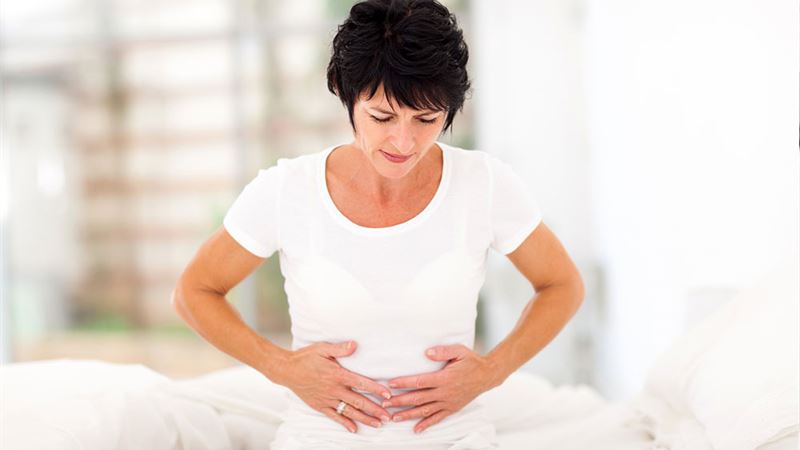
Hemorrhoids, also known as piles, are swollen blood vessels located around the anus or within the lower rectum. While they are common and often not dangerous, they can cause significant discomfort, itching, and pain. Understanding the causes, symptoms, and various relief methods can help individuals effectively manage this condition and improve their quality of life.
Hemorrhoids are categorized into external and internal types. External hemorrhoids form outside the anal opening beneath the skin, often causing pain due to sensitive nerves, especially during sitting or bowel movements. Internal hemorrhoids develop inside the rectum and are often painless, but they may prolapse or bleed, leading to other issues.
The exact etiology of hemorrhoids remains uncertain. However, factors such as straining during bowel movements, chronic constipation or diarrhea, pregnancy, obesity, a sedentary lifestyle, and a low-fiber diet contribute significantly to their development. Increased pressure in the rectal veins causes these vessels to swell and form hemorrhoids.
While hemorrhoids are typically benign, accompanying symptoms can be distressing. Common symptoms include anal itching, burning, discomfort, bleeding during bowel movements, and a palpable lump or swelling around the anus.
Effective Home Remedies for Hemorrhoids
Most hemorrhoids resolve with simple lifestyle modifications and home treatments. These remedies can help alleviate pain, reduce swelling, and promote healing. Adopting these practices can prevent the worsening of symptoms and reduce dependence on medications.
Warm Sitz Baths
One of the most accessible remedies is soaking in warm water. Sitz baths involve sitting in a small, specially designed tub that fits onto the toilet, allowing direct application of warmth to the anal area. The warm water helps relax the anal muscles, reduce inflammation, and soothe discomfort. It is recommended to take sitting baths 2-3 times daily, especially after bowel movements. Enhancing the bath with additives like Epsom salts or apple cider vinegar can sometimes provide additional relief, though caution must be exercised to avoid skin irritation.
Application of Aloe Vera
Aloe vera has long been appreciated for its anti-inflammatory and soothing properties. Pure aloe vera gel, directly obtained from the plant, can be applied externally to the affected area to reduce inflammation and burning sensations. It promotes healing and alleviates discomfort. It is crucial to use only pure aloe vera gel, free from additives or chemicals, to ensure efficacy and safety.
Witch Hazel: Nature’s Astringent
Witch hazel is a natural astringent that can diminish itching, soreness, and swelling. Applying pure witch hazel extract directly to hemorrhoids using a cotton ball can provide relief. Opt for alcohol-free variations to prevent irritation. The cold form of witch hazel may be more soothing and effective in reducing swelling. This herbal remedy is widely available and easy to use, making it a popular choice for hemorrhoid sufferers.
Cold Compresses and Ice Packs
The application of cold packs is an effective way to lessen pain and swelling. Wrap ice in a towel to prevent direct contact with the skin and apply it gently to the affected area for 10-15 minutes at a time. Regular use can significantly reduce inflammation and provide temporary pain relief, especially during flare-ups. Never place ice directly on the skin, as it can cause frostbite or skin damage.
Medicinal Interventions
If home remedies are insufficient, over-the-counter treatments can offer additional relief. These products include topical creams, ointments, suppositories, and medicated wipes designed to numb pain, reduce swelling, and control bleeding. Popular medicated options contain witch hazel, hydrocortisone, or pramoxine. Prior to starting any medication, consulting a healthcare professional is essential to ensure proper use and effectiveness, especially if symptoms persist or worsen.
Important Lifestyle Changes to Prevent and Manage Hemorrhoids
- Stay Well-Hydrated: Drinking plenty of fluids, primarily water, softens stool and facilitates easier bowel movements, reducing strain and pressure on the rectal vessels.
- Increase Dietary Fiber Intake: Consuming fiber-rich foods such as fruits, vegetables, whole grains, and legumes prevents constipation. To avoid bloating and gas, gradually incorporate fiber into your diet, allowing your digestive system to adjust smoothly.
- Engage in Regular Exercise: Physical activity such as walking, swimming, or aerobics enhances overall metabolism, improves bowel function, and helps maintain healthy body weight, thereby decreasing hemorrhoid risk.
- Develop Proper Bathroom Habits: Avoid straining during bowel movements and do not delay going to the toilet when the urge arises. Establishing a routine, such as going at the same time daily, can promote regular bowel function and prevent excessive pressure on veins.
When Is Medical Help Necessary?
Most hemorrhoids respond well to conservative therapy, including lifestyle modifications and home remedies. However, some cases may escalate, demanding professional intervention. Seek medical attention if you experience persistent bleeding, severe pain, or if you notice a significant prolapse or lump that doesn’t reduce. Symptoms such as dizziness, weakness, or anemia due to prolonged bleeding also warrant immediate consultation. Diagnostic procedures like anoscopy or sigmoidoscopy may be required to assess the severity and decide on advanced treatments such as rubber band ligation, sclerotherapy, or surgical removal.
In summary, understanding hemorrhoids and adopting effective relief strategies can significantly improve comfort. Combining home remedies, medicinal options, and lifestyle modifications can help manage symptoms effectively and prevent recurrence. Remember, early intervention and healthy habits are key to controlling this common yet bothersome condition.