
The Origins and Evolution of Fragrances and Perfumes
Discover the rich history and evolution of fragrances and perfumes, from ancient civilizations to modern science. Learn how geographical influences, cultural traditions, and technological innovations have shaped the world of scent, making perfumes a timeless form of personal and cultural expression. Explore how regional ingredients, marketing research, and scientific advances continue to influence fragrance creation today, ensuring that scents remain an integral part of human history and everyday life.
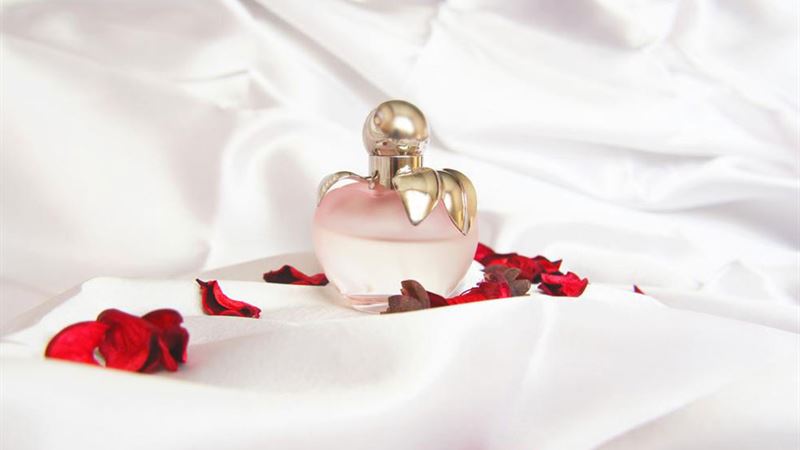
Fragrances and perfumes have a long and fascinating history that stretches back thousands of years. While some people believe that scent perception is purely psychosomatic, the reality is that fragrances evoke different reactions depending on individual preferences, moods, and cultural backgrounds. A smell considered pleasant by one person may not be appreciated by another, making the concept of fragrance deeply subjective. Moreover, individual perceptions of scents are influenced by psychological and emotional states, which can fluctuate over time, adding further complexity to understanding what constitutes a pleasing aroma.
Throughout history, humans have sought to harness the power of fragrances for various purposes—religious rituals, personal adornment, medicinal uses, and social interactions. The earliest known perfumes date back to ancient civilizations such as Egypt, Mesopotamia, India, China, and the Mediterranean region. These early societies used natural ingredients like herbs, spices, resins, and essential oils to create fragrant concoctions. The Egyptians, for example, are credited with developing some of the earliest methods of distillation and extraction, laying the groundwork for modern perfumery.
One of the defining aspects of perfume evolution is its regionality. Different geographical areas developed their unique fragrance traditions based on available natural resources and cultural preferences. For instance, the Egyptians highly valued frankincense and myrrh, while the Chinese favored floral and herbal scents. As trade routes expanded, fragrant ingredients like jasmine, rose, lavender, and spices traveled across continents, enriching local perfume cultures and fostering a global exchange of scent traditions.
From ancient times to the modern era, the development of fragrance technology has continually advanced. The Middle Ages saw the rise of aromatic distillation, while the Renaissance era brought about more sophisticated techniques of blending and aging perfumes. The 19th and 20th centuries witnessed the birth of synthetic aroma compounds, revolutionizing perfume creation by enabling the production of consistent and affordable fragrances. These innovations allowed perfumers to craft complex, layered scents that could evoke powerful emotional responses and become signature symbols of personality.
Geographical influences remain critical in modern perfumery. The terroir—the natural environment where ingredients are cultivated—affects the aroma profiles of ingredients like lavender from Provence, jasmine from India, and rose from Bulgaria. Local climate, soil composition, and cultivation practices all contribute to the distinct scent qualities of natural ingredients. Consequently, perfumers often tailor their formulations based on geographic origins, ensuring that each fragrance resonates with its cultural and sensory context.
Market research plays a pivotal role in the fragrance industry. Companies invest heavily in understanding regional preferences and consumer behavior to develop products that will succeed globally. This involves extensive testing, including lab analysis and sensory evaluations, to identify the most appealing ingredients and scent combinations. Such scientific and market-based approaches help guarantee that new fragrances meet the expectations of diverse audiences and achieve commercial success.
In conclusion, the history of fragrances and perfumes is a rich tapestry woven from cultural, scientific, and artistic threads. Their development reflects humanity’s enduring fascination with capturing elusive scents and translating them into forms that enhance personal expression, social connection, and cultural identity. Whether rooted in ancient traditions or cutting-edge science, fragrances continue to evolve, blending tradition and innovation to delight senses worldwide.