
Comprehensive Guide to the Benefits and Processes of DNA Testing
Discover the comprehensive benefits of DNA testing, from uncovering your ethnicity and family history to establishing legal paternity and assessing health risks. Learn about how the process is conducted, its advantages, and its importance in modern personal and medical contexts. This guide explores how DNA testing empowers individuals to understand their roots and take proactive health measures, making it an essential tool in today’s world of genetic science.
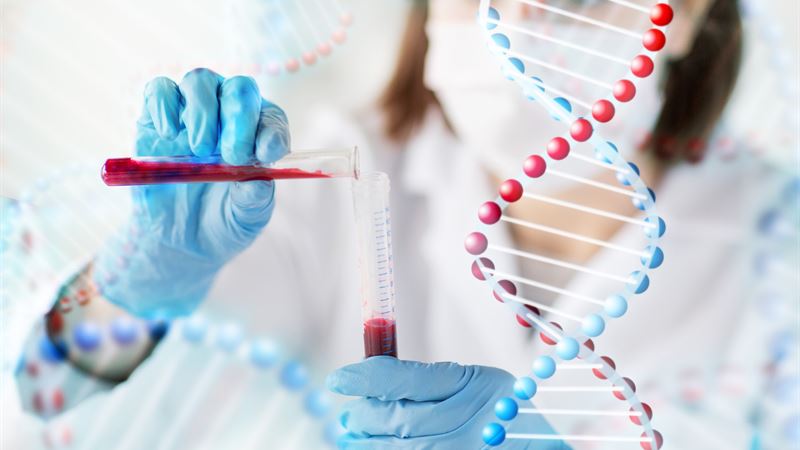
The Importance of DNA Testing in Modern Healthcare and Personal Discovery
DNA testing has revolutionized the way we approach personal health, ancestry, and legal matters. Its applications are broad and encompass medical diagnostics, genealogical research, legal proof of parentage, and identity verification. The capacity to analyze genetic material accurately has made DNA testing an integral part of contemporary life, offering invaluable insights that were once beyond reach.
Why Opt for a DNA Test?
Beyond identifying genetic disorders, there are compelling reasons to pursue DNA testing, including discovering ethnic origins, genealogical connections, legal identity verification, and even leaving a biological legacy behind. Below are detailed explanations of each purpose.
- Unveiling Ethnicity and Ancestry
Many individuals harbor natural curiosity about their ethnic background and ancestral lineage. Questions like “Where do I come from?” or “Do I have Irish ancestors?” often lead to this interest. DNA testing provides definitive answers by comparing your genetic markers with global databases. These comparisons reveal geographical origins dating back hundreds or even thousands of years. Through comparative analysis involving large DNA repositories and sophisticated genetic research, companies can estimate your ancestral roots with a high degree of accuracy.
- Tracing Family Heritage
Understanding one’s family tree is a profound pursuit that DNA analysis can greatly facilitate. Every individual inherits a unique set of DNA segments from their biological parents—50% from the mother and 50% from the father—resulting in distinct genetic profiles even among siblings. By examining these distinctive markers, DNA tests can identify distant relatives, uncover hidden relatives, and even find long-lost cousins. Online platforms offered by many testing providers allow users to construct their family trees or connect with others sharing similar genetic traits, thereby enriching their understanding of familial history.
- Leaving a Lasting Family Legacy
Creating a comprehensive estate plan, including a will, is a vital aspect of preparing for the future. It ensures that personal possessions, heirlooms, and assets are passed down to subsequent generations. Additionally, individuals can choose to have their DNA stored within genetic databases after they pass away. This practice allows for ongoing familial and ethnic connections across generations and borders. By sharing genetic information posthumously, people enable future relatives and descendants to discover their heritage and establish connections based on shared genetic traits.
- Legal and Parental Verification
DNA testing is an essential tool for establishing paternity, which has critical legal implications. In cases involving child support, custody, adoption, or immigration, genetic testing can establish parentage with near certainty—up to 99.9%. This is crucial in legal disputes where definitive proof of biological relationships is required. Paternity tests help clarify family relationships quickly and accurately, providing peace of mind and legal clarity.
How Is a DNA Test Performed?
The process of DNA testing typically begins with a consultation involving a genetic specialist, healthcare provider, or trained technician. The sample collection process is minimally invasive and can involve various tissues, including blood, saliva, skin cells, hair, or amniotic fluid. Most common is the buccal swab, where a cotton or nylon-tipped swab gently collects cells from inside the cheek. This simple procedure can be performed at a clinic or at home using an approved DNA testing kit sent by mail.
The collected sample is then dispatched to a certified laboratory where detailed analyses are conducted. The laboratory examines specific sections of DNA, proteins, or chromosomes to identify genetic mutations, variations, or markers associated with particular traits or health conditions. Depending on the purpose, the testing process can be targeted (focused on specific genes) or broad (whole genome sequencing).
Before undergoing testing, the individual must provide informed consent. This process involves being fully educated about the testing procedure, potential outcomes, benefits, risks, and limitations. Ensuring proper understanding helps make the testing process ethical and transparent, respecting personal privacy and autonomy.
The Advantages of DNA Testing
DNA testing offers numerous benefits, empowering individuals with knowledge about their health, heritage, and identity. It serves as a window into the past—revealing historical origins—while also providing insights into present health risks and future predispositions. The growing accessibility of testing services, through online kits and local laboratories, has made DNA testing more convenient than ever. Results are typically delivered within a few weeks, enabling timely health decisions and genealogical discoveries.
From a health perspective, utilizing genetic information with the guidance of healthcare professionals can facilitate personalized medicine approaches, early disease detection, and tailored treatment plans. Beyond health, DNA testing helps you understand your cultural background, unearth family secrets, and foster connections across generations and continents.
It is important to approach DNA testing with awareness of privacy concerns and to share significant findings with qualified healthcare providers to interpret the results effectively. When used responsibly, DNA testing becomes a powerful tool for enhancing personal knowledge, health, and familial bonds.