
Essential Insights into the Importance of Vitamin D Supplements for Optimal Health
This comprehensive guide explores the significance of vitamin D for health, the risks of deficiency, and effective ways to maintain optimal levels through diet and supplements. Understand the different forms of vitamin D, top supplement options, and essential precautions to ensure bone health, immunity, and overall wellness. Proper knowledge and consultative approaches are key to preventing health issues related to vitamin D deficiency, especially in modern lifestyles with reduced sunlight exposure.
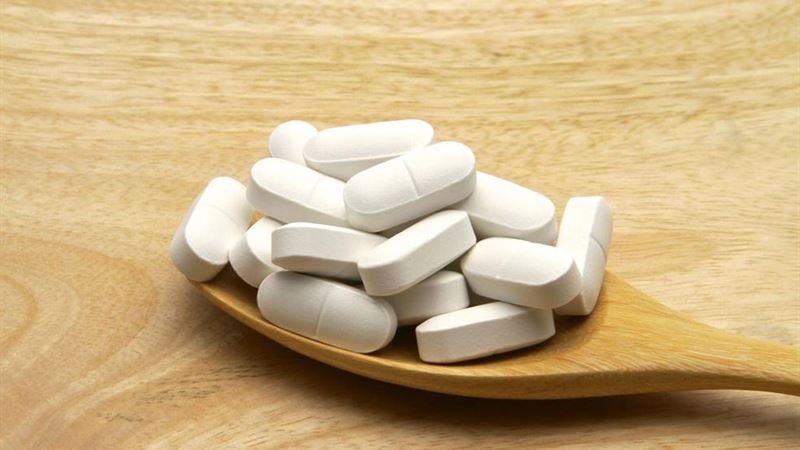
Many people are unaware of the crucial role that vitamin D plays in maintaining overall health and wellness. Despite its importance, the vitamin remains somewhat neglected because it is not inherently abundant in typical foods. Instead, it can be found in specific foods such as fatty fish like salmon, certain types of mushrooms, yeast products, and cod liver oil. However, getting enough vitamin D through diet alone is often challenging, especially with the reduced outdoor activity and sunlight exposure prevalent in today’s sedentary lifestyles.
Modern advancements, including automation and urbanization, have significantly decreased our exposure to sunlight—our primary natural source of vitamin D. The lack of sunlight exposure is a leading cause of vitamin D deficiency, which can have severe health implications. Vitamin D is vital for calcium absorption, which is essential for bone health. A deficiency can result in soft bones, increased fracture risk, and conditions like rickets in children and osteomalacia in adults.
Fortification of staple foods with vitamin D is a common practice worldwide. For instance, many countries fortify milk with vitamin D to help populations meet their dietary needs. While natural sources and fortified foods can provide sufficient vitamin D for many individuals, supplements are often necessary for those with limited sun exposure or dietary restrictions. It is important to understand that supplements should complement a healthy diet rather than replace it.
There is a wide variety of vitamin D supplements available on the market, designed to cater to different needs and preferences. These include tablets, capsules, liquids, and drops. Some of the most trusted and effective options include:
- Nature’sTrue Medicine – Recognized for its high-quality D3 soft gels providing 2000 IU per serving, this brand helps combat fatigue, strengthen bones, and boost energy levels.
- Trace Minerals – Offering a cherry-flavored liquid supplement with a potent 5000 IU per dose, ideal for those needing higher doses or who prefer liquid forms.
- Nature Made – Available in various formats such as gummies, soft gels, chewables, and dissolving tablets, with dosages from 1000 IU to 10000 IU, suitable for diverse dietary needs.
- Natrol Fast Dissolve – Strawberry-flavored tablets providing 2000 IU, promoting bone health and immune support with quick dissolving action for ease of use.
- MRM Vegan Supplements – This vegetarian-friendly, sugar- and allergen-free option offers 2500 IU of vitamin D3, ideal for conscious consumers and those avoiding animal products.
- Now D3 Supplements – Available as chewables and liquids delivering 400 IU per serving, suitable for daily supplementation.
- New Chapter Bone Strength Take Care – This supplement combines vitamin D3 with vitamin K2 derived from plant sources, supporting bone density and cardiovascular health.
- Carlson Labs – With options from 400 IU to 10,000 IU in softgel packs, these supplements help improve calcium and phosphorous absorption, alleviating bone discomfort.
- Optimum Nutrition – Known for its high-potency formulations, providing approximately 5000 IU per serving, tailored for athletes and physically active individuals.
- Thorne Research – Although formulated for 1000 IU, testing indicates actual contents may be higher, potentially helping reduce muscle loss with consistent use.
To maximize effectiveness, vitamin D supplements should be taken with meals. It is advisable for individuals, especially those on corticosteroids or other medications, to consult healthcare providers before initiating supplementation. A balanced approach combining adequate sunlight exposure, diet rich in vitamin D sources, and supplement intake can effectively combat deficiency.
Women are particularly susceptible to vitamin D deficiency, which can be mitigated through a combination of healthy eating, regular supplementation, and outdoor activities. Nevertheless, self-prescription of supplements without medical advice can pose risks. Hence, always seek guidance from a healthcare professional prior to starting any new supplement regimen to ensure safety and appropriate dosing.