
Comprehensive Guide to Melanoma: Risks, Symptoms, and Treatments
Discover in-depth information about melanoma, including risk factors, early signs, and advanced treatment options. Learn how sun exposure, skin type, and genetics influence melanoma development, and why early detection is crucial for successful treatment. This comprehensive guide provides essential insights for increasing awareness and promoting preventive measures against this dangerous skin cancer.
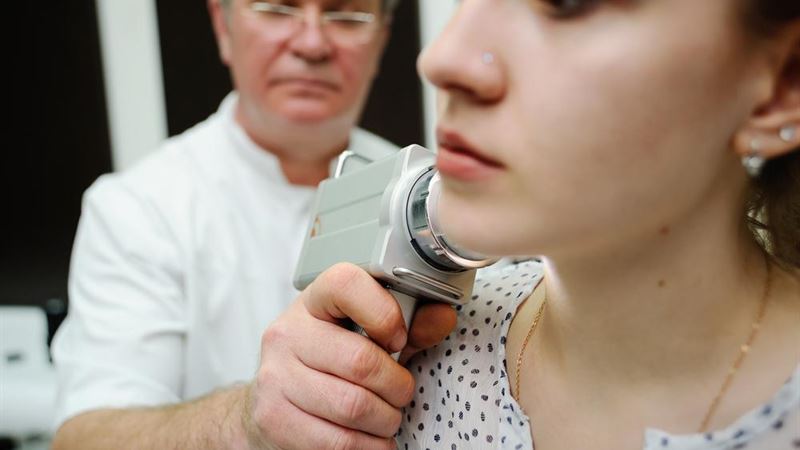
Melanoma, a serious form of skin cancer, has become increasingly prevalent across various populations, primarily due to heightened exposure to ultraviolet (UV) radiation from the sun and artificial sources. This type of cancer originates in the pigment-producing melanocytes of the skin and can spread rapidly if not detected early. With rising cases worldwide, understanding the causes, recognizing early signs, and exploring effective treatment options are crucial for better management and improved survival rates.
Understanding the Foundations of Melanoma
Melanoma is among the most dangerous skin cancers due to its aggressive nature and potential to metastasize to vital organs such as the lungs, liver, brain, and bones. The incidence of melanoma has surged significantly over the last few decades, attributable to both environmental factors and lifestyle choices. This increase underscores the importance of comprehensive awareness initiatives and preventive strategies.
Key Causes and Risk Factors of Melanoma
- Sunlight Exposure: The primary factor contributing to melanoma development is excessive exposure to UV radiation from sunlight. Prolonged and unprotected exposure during peak hours significantly elevates the risk. UV rays penetrate the skin, damaging the DNA in melanocytes, leading to mutations and the potential formation of malignant melanomas.
- Skin Type: Individuals with lighter skin tones, characterized by low melanin levels, are more susceptible to UV damage and thus face a higher risk of developing melanoma. Conversely, darker skin provides some natural protection but does not eliminate risk entirely.
- Presence of Moles: People with numerous moles, especially atypical or changing moles, are at increased risk. Moles present since birth or those that develop over a lifetime can serve as precursors to melanoma, especially if they exhibit irregular borders, color variation, or size changes.
- Genetic and Family History: A family history of melanoma significantly increases one's vulnerability. If immediate relatives such as parents or siblings have been diagnosed, the risk can be up to twice as high as the general population. Specific genetic mutations linked to melanoma can also be inherited, further elevating risk.
- Immune System Suppression: Conditions or treatments that weaken immunity, including organ transplants, chemotherapy, HIV/AIDS, and lymphoma, can impair the body's ability to detect and combat abnormal cells, thereby increasing melanoma risk.
- Environmental and Occupational Exposures: Workers exposed to industrial chemicals, certain toxins, or artificial UV sources like tanning beds face elevated risks. Artificial tanning, especially, mimics UV radiation and significantly contributes to melanoma incidence.
Signs and Symptoms of Melanoma
Recognizing early symptoms of melanoma is vital for timely diagnosis and successful treatment. Common signs include the appearance of new moles that are irregular in shape or color or noticeable changes in existing moles. These changes often involve asymmetry, border irregularity, color variation, diameter exceeding 6mm, or evolving features.
Changes in texture, such as roughness or the development of a scaly surface, bleeding, and itching, are also warning signs. Occasionally, ulcers or sore areas that do not heal may appear. Noticing a dark streak in a mole, a sudden rise in the size of a lesion, or the emergence of a new, unusual skin spot warrants immediate medical attention.
Specific characteristics indicative of melanoma include:
- An existing mole that enlarges or changes appearance
- Development of new pigmented or non-pigmented lesions
- Presence of an inflamed or painful lesion
- Bleeding or oozing from a mole
- Color variegation within a single lesion, especially with shades of black, brown, red, or blue
Any of these symptoms should prompt a consultation with a dermatologist for thorough examination and diagnosis.
Approaches to Melanoma Treatment
Treatment strategies depend heavily on the stage at diagnosis. Early-stage melanomas are often curable through surgical excision, where the tumor along with a margin of healthy tissue is removed. For localized melanoma, this procedure effectively eliminates the cancer in most cases.
In cases where the melanoma has spread to nearby lymph nodes, a sentinel lymph node biopsy is performed to assess the extent of metastasis. If metastasis is confirmed, additional interventions such as lymph node removal, immunotherapy, targeted therapy, or radiation may be necessary.
Advanced melanoma often requires multimodal treatment. Immunotherapy, which boosts the body's immune response, has revolutionized treatment options, with medications like checkpoint inhibitors showing promising results. Targeted therapies, focusing on specific genetic mutations like BRAF or MEK, aim to inhibit cancer growth selectively.
Chemotherapy remains a part of treatment in some cases, especially when other options are ineffective. Moreover, newer treatment modalities such as oncolytic virus therapy are emerging as supplementary options.
Unfortunately, melanoma can recur even after successful initial treatment. Recurrences may be local, regional, or distant metastases; hence, ongoing monitoring is crucial. Second-line treatments, including additional immunotherapy, targeted drugs, or experimental therapies, are considered in recurrent cases.
Overall, early detection and prompt treatment are key factors in improving survival rates for melanoma patients. Regular skin checks, awareness of risk factors, and protective behaviors like avoiding excessive sun exposure and using broad-spectrum sunscreens are essential preventive measures.
In summary, melanoma is a formidable but manageable skin cancer when caught early. Understanding the risk factors, recognizing symptoms promptly, and pursuing appropriate treatment plans can dramatically increase the chances of successful outcomes and save lives.