
Innovative Approaches to Automotive Design: From Tradition to Future Technologies
Explore how automotive design combines tradition, innovative technology, and future concepts. Discover how brands revisit past models, embrace new tech, and create revolutionary designs for the modern era. Learn about iconic models like the Volkswagen Beetle and the innovative approaches of brands like Land Rover and Jaguar in shaping the future of automotive aesthetics.
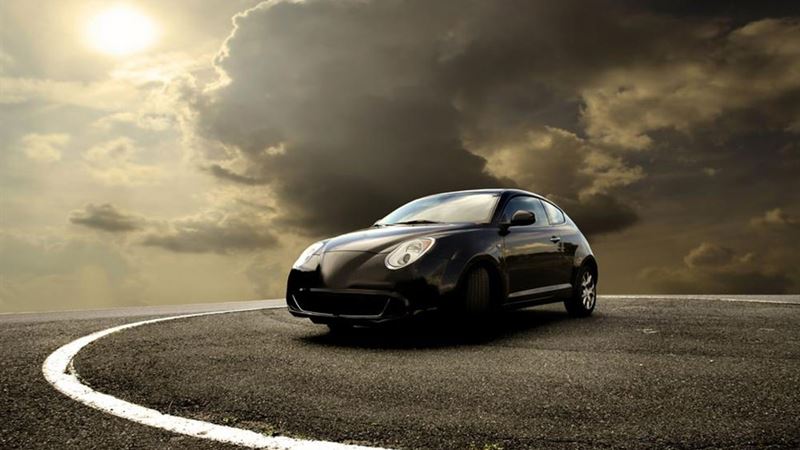
Harnessing Cutting-Edge Technology for New Aesthetics
The rapid advancement of automotive technology, particularly with autonomous driving systems and electric powertrains, has revolutionized vehicle design paradigms. These innovations grant designers unprecedented freedom to conceive radically new forms and interior layouts, pushing the boundaries of traditional aesthetics. Pioneering models like Volkswagen's Sedric Concept, Mercedes-Benz's F 015 Luxury in Motion, and BMW's Vision Next 100 exemplify how futuristic technologies inspire groundbreaking designs. These cars not only showcase autonomous capabilities but also serve as platforms for exploring new packaging concepts, greater interior space utilization, and innovative material applications, all aimed at enhancing both performance and passenger experience.
Drawing Inspiration from Automotive Heritage
Innovation doesn't always mean starting from scratch; often, automakers revisit their past to inform future designs. The Volkswagen Beetle, one of the most iconic models of all time, stands as a testament to this approach. Over its lifespan, approximately 20 million Beetles have been sold worldwide, cementing its status as a cultural and automotive icon. Recently, Volkswagen has embarked on developing a modern rendition of the Beetle, blending nostalgic design cues with contemporary aesthetics and advanced technology. Despite the overhaul, the new model retains essential elements that pay homage to its heritage, symbolizing a 'silent tribute' to its legacy. This approach fosters a sense of continuity and respect for tradition while incorporating modern engineering advancements, such as pure electric propulsion, to meet today's sustainability goals.
Transforming Old Concepts into Modern Marvels
Not all brands rely solely on nostalgia or returning to past models. Some take a bold leap forward by abandoning outdated design philosophies altogether. For example, Land Rover’s latest Range Rover Evoque exemplifies this shift. The new model boasts a rugged, off-road-ready appearance, combining contemporary styling with advanced off-road technology and materials. It reflects a forward-thinking design philosophy that emphasizes robustness, modern aerodynamics, and innovative use of lightweight materials. Similarly, Jaguar, a sister brand of Land Rover, has evolved significantly since the 1970s. The early models shared visual similarities with their predecessors, but with the introduction of the F-Pace SUV, Jaguar broke free from its traditional lineage and adopted a fresh, bold aesthetic. This architectural refresh has revitalized the brand’s market appeal and boosted profitability, proving that embracing new design techniques can lead to success in a competitive industry.