
Comprehensive Guide to Electric Blankets: Features, Safety, and Benefits
Discover everything about electric blankets, from their design and features to safety tips and health benefits. Learn how modern technology enhances their safety and efficiency, making them a cost-effective and comfortable heating option, especially for those with health issues or in cold climates. Find out how to choose, use, and maintain electric blankets safely for a cozy, energy-efficient winter experience.
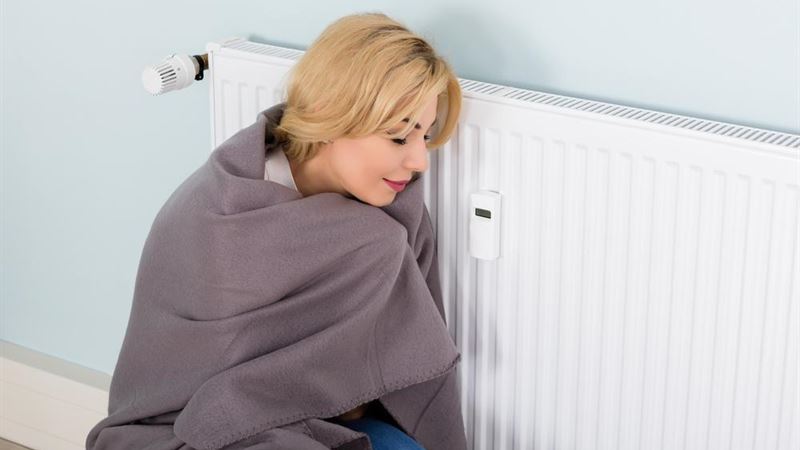
Electric blankets are versatile bedding accessories available in a wide range of colors and sizes, designed to perfectly fit various bed dimensions. Whether you need a single-person blanket or one suitable for two people sharing the bed, there are options with individualized heat controls. These dual-zone electric blankets enable each occupant to customize the warmth level according to personal preference, ensuring maximum comfort. It is recommended to preheat your electric blanket before getting into bed. Doing so creates a cozy, warm environment that enhances your sleep experience, especially during cold seasons.
Electric blankets offer an affordable and energy-efficient way to stay warm at night. Compared to traditional room heating systems, they consume significantly less electricity, leading to lower utility bills. Most electric blankets operate on voltage levels between 12 and 24 volts, making them safe and energy-efficient. The portability and ease of use make electric blankets an attractive choice for many households seeking warmth without the high costs or complexity of central heating systems.
Constructed similarly to heating pads, electric blankets incorporate insulated wires or heating elements embedded within the fabric. When activated, these wires generate heat, warming the fabric and providing comfort. The heating elements are designed to distribute heat evenly across the blanket, preventing hotspots and ensuring consistent warmth. The control units attached to electric blankets manage the amount of electrical current delivered, adjusting the heat output based on user preferences or safety protocols. These controls allow users to set their desired temperature for optimal comfort and safety.
In recent years, advanced materials such as carbon fiber wires have become popular in electric blanket manufacturing. These thin wires consume less space and generate adequate heat while maintaining flexibility, resulting in lightweight, less bulky blankets. Some electric blankets incorporate rheostats or adjustable thermostats that automatically regulate heat depending on the occupant’s body temperature or ambient conditions. This feature enhances safety and comfort, preventing overheating and ensuring a restful sleep experience.
Many modern electric blankets include safety features such as automatic shutoff mechanisms that activate after a certain period, typically 45 minutes to an hour, especially in low-voltage models operating at 12 volts. These safety measures are crucial in preventing overheating or potential fire hazards. Continuous innovation in electric blanket technology focuses on creating safer, more efficient designs that meet the needs of diverse users. Newer models are equipped with warning indicators or shutoff features that activate if the blanket's temperature exceeds safe levels, providing peace of mind during use.
Cost-effectiveness is a major advantage of electric blankets. Their low energy consumption makes them economical for overnight use, allowing individuals to stay warm without incurring high electricity bills. Particularly in colder climates, electric blankets are an excellent alternative to raising the entire room temperature, which can be less efficient and more costly. For people with chronic conditions such as arthritis, muscle pain, or joint stiffness, electric blankets offer soothing warmth that can alleviate discomfort and improve sleep quality.
To maximize safety, it is advisable to choose electric blankets with the latest technological features. Modern blankets often include automatic shutoff functions, temperature regulation, and overheat protection to prevent fire risks. Damaged or aging electric blankets should be replaced promptly, as they may pose serious hazards, including overheating, melting, or fire. It is generally recommended to avoid using electric blankets with children, individuals with diabetes, heart conditions, or compromised immune systems, due to the potential risks. Some studies suggest that excessive use of electric blankets might affect fertility in men and women, so moderation and caution are advised.
In conclusion, electric blankets are a practical, cost-efficient heating solution that enhances comfort and safety when used responsibly. Upgrading to newer models with advanced safety features ensures worry-free use, while proper maintenance and timely replacement protect users from potential hazards. With their energy-saving benefits and health advantages, electric blankets continue to be a popular choice for keeping warm during cold seasons. Always consult product guidelines and safety instructions before using electric blankets, and when in doubt, seek advice from professionals to ensure safe and effective use.