
Comprehensive Guide to Proper Snow Plow Maintenance for Optimal Performance
Maintain your snow plow with expert tips for durability, safety, and efficiency. This guide covers blade inspection, electrical system care, bolt securing, vehicle maintenance, and seasonal upkeep to ensure reliable snow removal performance throughout winter, reducing costs and enhancing safety during heavy snowfalls.
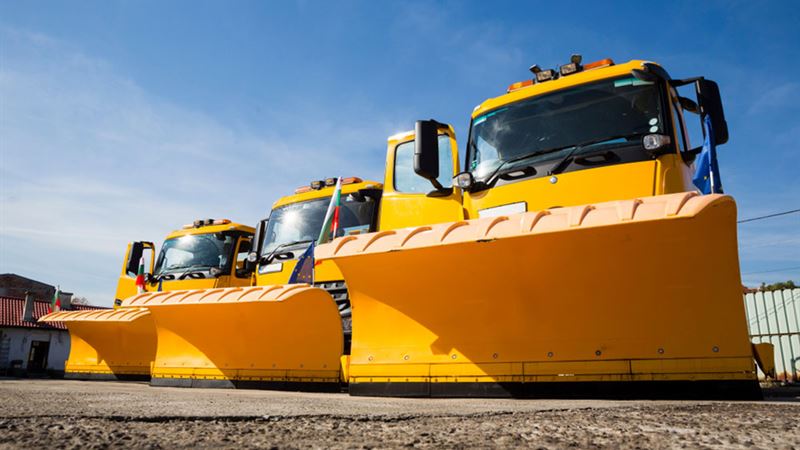
As winter approaches, ensuring your snow removal equipment is in top condition becomes essential to handle the heavy snowfall efficiently. Proper maintenance of your snow plow not only extends its lifespan but also guarantees safety and effectiveness during snow clearing operations. This detailed guide will walk you through the most important tips and routines to keep your snow plow in excellent shape throughout the season.
Choosing the Right Snow Plow Blade: Durability and Performance
- When purchasing a snow plow, prioritize blades that feature a durable rubber edge or specially designed cutting edges. These components are crucial for efficient snow removal from various surfaces, including asphalt, concrete, and gravel. The rubber edge, in particular, offers flexibility and reduces surface damage, making it suitable for delicate surfaces. Always inspect the blade’s edge after each use; look for signs of significant wear, such as cracks, chunks missing, or excessive thinning.
- The cutting edge of your snow plow should be at least four inches tall to guarantee effective snow clearance. Once the blade’s edge wears down to less than four inches, it’s a clear indicator that replacement is necessary to maintain optimal performance. Using a worn-out edge not only reduces efficiency but could also cause damage to the blade or the mounting apparatus.
- Additional parts of your snow plow, especially those that are electrically operated, require regular checks. If your snow plow has battery-operated components, verify the battery terminals frequently. Look for corrosion, rust, or loose connections, and clean the terminals with appropriate tools and anti-corrosion solutions when needed.
Ensuring electrical system integrity is vital for the comfort and safety of your snow removal operations. Keeping connections clean and tight reduces the risk of electrical failures during critical moments.
Lubrication and Electrical Connection Maintenance
- Applying dielectric grease to all electrical connections is essential for protecting these components against moisture and corrosion. Regularly grease the electric connections of your snow plow to keep them clean and functioning properly. This simple step can prevent electrical failures that might leave you stranded during a snowstorm.
- Additionally, monitor the electrical wiring throughout the season. Loose or corroded connections can lead to unexpected malfunctions, so tighten fittings and replace damaged wires promptly. Maintaining the electrical system’s integrity helps ensure that your plow operates smoothly and reliably.
Securing Bolts and Adjustments for Safety and Efficiency
- One of the most vital maintenance tasks is to secure all bolts and fasteners after your first snow plowing session. This step guarantees that the blade remains firmly attached during subsequent uses. Periodic inspection and tightening are necessary, especially after heavy use or adverse weather conditions.
- Adjust the runner’s height consistently to keep the cutting edge about half an inch above the ground. Correct height adjustments protect the blade from unnecessary wear and damage while ensuring efficient ice and snow removal. Proper clearance minimizes resistance and enhances the overall efficacy of the plow.
- Throughout the season, regularly check and tighten mounting bolts. Loose bolts can cause dangerous situations or prevent your plow from operating effectively, so make it a routine to inspect the hardware before and after each storm.
Vehicle and Equipment Maintenance: Keep Your Entire Snow Removal System in Prime Condition
- It’s not just the plow that requires maintenance; the vehicle used to mount the plow also plays a crucial role. Cold temperatures can lead to various vehicle issues, including dim or malfunctioning lights. Regularly inspect all vehicle lights and clean off any ice or frost that may impair visibility.
- Cold weather conditions cause tires to lose pressure faster, affecting traction and safety. Before heading out for snow removal, check tire pressure and inflate them to the recommended levels. Properly maintained tires help improve maneuverability and safety during snow plowing.
- Engine flu and other fluids should be checked and topped off to prevent freezing or breakdowns. Additionally, consider inspecting the vehicle’s battery for voltage and charging capacity—cold weather can significantly diminish battery performance.
Overall Maintenance Strategy for Snow Plows and Vehicles
- Implementing a regular maintenance routine for your snow plow and the tow vehicle ensures smooth operation and reduces costly repairs over time. Schedule inspections before and after snowfall events, and keep a checklist to track all maintenance activities.
- Replace worn parts promptly, including blades, bolts, and electrical components, to maintain safety standards and operational efficiency.
- Invest in high-quality lubricants and cleaning supplies suited for harsh winter conditions. Protect moving parts with appropriate lubrication, and clean debris or snow remnants after each use.
Conclusion: Benefits of Consistent Snow Plow Maintenance
Proper maintenance not only extends the lifespan of your snow plow but also ensures that your snow removal efforts are quick, safe, and effective. Regular inspections, timely replacements, and cleaning procedures minimize downtime and prevent unexpected breakdowns. By adhering to these comprehensive maintenance practices, you’ll be well-prepared to combat even the harshest winter storms confidently, maintaining safety and efficiency throughout the season.