
Comprehensive Natural Strategies for Managing Hair Loss and Promoting Healthy Hair Growth
Discover comprehensive natural strategies to effectively manage hair loss, enhance hair growth, and improve scalp health. Learn about the importance of nutrition, hydration, essential oils, and lifestyle modifications, along with tips to prevent further hair thinning. This detailed guide provides practical advice supported by scientific insights to help you regain confidence and achieve healthier, stronger hair naturally.
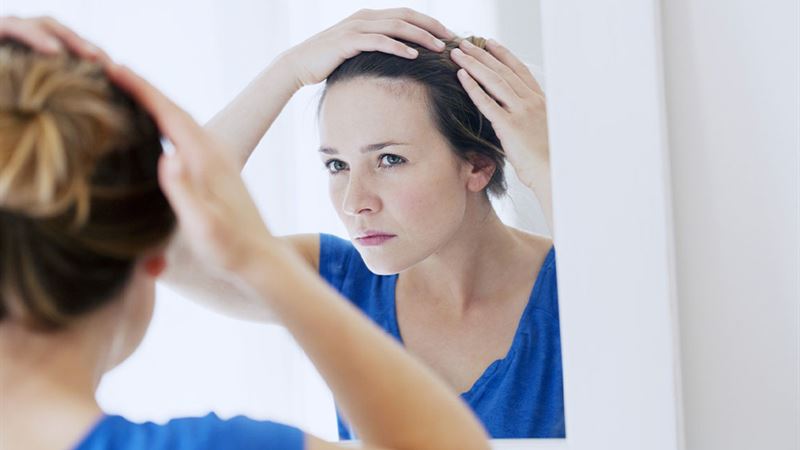
Hair loss is a common concern affecting individuals across different age groups and genders. While losing 50 to 100 hair strands daily is considered normal, excessive shedding can indicate underlying health issues or nutritional deficiencies. Recognizing the signs early and adopting natural care routines can effectively slow down hair thinning and promote healthier hair growth. This comprehensive guide explores causes of hair loss and provides detailed, scientifically supported tips to manage and prevent it.
Understanding that hair loss can be influenced by genetic factors, hormonal changes, lifestyle, and environmental exposures is crucial. For many, hair thinning is not just a cosmetic issue but a sign of overall health imbalance. From nutritional strategies and hydration to herbal oils and lifestyle modifications, various natural methods can empower you to maintain a full, vibrant scalp.
What Causes Hair Loss? An In-Depth Analysis
hair loss is a multifactorial condition, with both internal and external factors playing significant roles. Genetic predisposition remains the most common cause, especially in androgenetic alopecia, often referred to as pattern baldness, affecting both men and women. Hormonal fluctuations, particularly involving androgens like testosterone and dihydrotestosterone (DHT), can lead to follicle miniaturization, resulting in thinner hair and bald patches.
Pregnancy and childbirth cause hormonal upheavals that temporarily increase hair shedding. Chronic stress and persistent anxiety elevate cortisol levels, which impair hair follicle function. Long-term use of certain medications and prescriptions, such as chemotherapy drugs or antidepressants, can also lead to hair loss via side effects.
External causes include environmental pollutants, exposure to harsh chemicals in styling products, overuse of heat tools, and poor scalp hygiene. Chronic scalp conditions like dandruff, psoriasis, or fungal infections can also impair hair health, leading to increased shedding.
Essential Natural Practices to Combat Hair Loss
Addressing hair loss effectively involves a holistic approach that encompasses proper nutrition, hydration, natural topical treatments, and lifestyle adjustments. Below, we delve into detailed strategies designed to nourish your scalp, strengthen hair strands, and encourage healthy growth.
1. Prioritize Protein-Rich Nutrition
Protein is the fundamental building block of hair. Each strand of hair is composed primarily of keratin, a fibrous protein. A deficiency in dietary protein can weaken hair follicles, leading to increased shedding and slower regrowth.
To support hair health, incorporate a variety of high-protein foods into your diet. Animal-based sources such as lean meats (chicken, turkey, lamb), eggs, dairy products like cottage cheese and yogurt, and seafood like shellfish and fish are excellent options. Plant-based proteins, including lentils, chickpeas, tofu, nuts, seeds, and soy products, also contribute significantly to strength and growth.
Additionally, bone broths provide bioavailable collagen and amino acids supporting hair integrity. Remember, a balanced diet rich in proteins, vitamins, and minerals is key to maintaining hair vitality.
2. Maintain Optimal Hydration Levels
Water constitutes roughly 25% of the hair shaft and is vital for keeping hair strong, shiny, and elastic. Dehydration can result in brittle, dry hair prone to breakage and bald patches. Proper hydration supports scalp health by maintaining the natural oils and ensuring efficient nutrient delivery to hair follicles.
Aim to drink at least 8 to 10 glasses of water daily. Enhancing hydration with flavorful infusions such as herbal teas, coconut water, or infused waters with slices of lemon, cucumber, or mint can help meet fluid requirements. Including water-rich fruits like watermelon, strawberries, peaches, and cucumbers in your diet also aids in boosting hydration naturally.
3. Utilize Natural Essential Oils for Hair Revival
Natural essential oils have been used for centuries to promote scalp health and stimulate hair growth. Among these, jojoba oil is renowned for its moisturizing and anti-inflammatory properties, which can help restore hair vitality and reduce follicle damage. Its ability to mimic natural scalp sebum aids in balancing oil production and nourishing hair follicles.
Other potent essential oils include peppermint oil, known for improving circulation; lavender oil, which reduces inflammation; ginseng oil, that stimulates hair follicle activity; and Chinese hibiscus, rich in antioxidants supporting scalp health. When using essential oils, dilute them with carrier oils such as coconut or argan oil to prevent irritation. Regular scalp massage with these oils enhances blood flow and encourages new hair growth.
4. Incorporate Scalp and Hair Care Rituals
Gentle scalp massages increase circulation, delivering essential nutrients to the hair follicles. Use fingertips to massage your scalp for several minutes daily, preferably with a blend of natural oils. Avoid harsh shampoos containing sulfates and parabens; instead, opt for mild, sulfate-free cleansers that preserve scalp oils.
Wash your hair regularly to prevent buildup, but avoid over-washing, which can strip natural oils. Balancing hair washing frequency based on your scalp type ensures a healthy environment for growth. Additionally, integrating hair masks made from natural ingredients such as aloe vera, onion juice, or coconut oil can strengthen hair strands and prevent breakage.
5. Reduce Stress and Manage Lifestyle Factors
Chronic stress is a significant contributor to hair loss, as it increases cortisol levels that negatively affect hair follicle cycles. Engaging in stress-reduction activities like yoga, meditation, deep-breathing exercises, or hobbies can lower cortisol levels and improve overall well-being.
Ensuring adequate sleep, avoiding smoking, and limiting alcohol intake are vital lifestyle choices that support hair health. Regular physical activity also boosts circulation and helps regulate hormonal balance.
6. Avoid Harmful Chemical Products and Excessive Styling
Many commercial hair products contain harsh chemicals that can weaken hair strands over time. Minimize the use of styling tools like flat irons, curling wands, and blow dryers that generate high heat, leading to dry and brittle hair. When styling is necessary, always apply heat protectant sprays.
Choose hair care products with natural, nourishing ingredients, and consider reducing chemical treatments such as coloring, perming, or relaxing. These procedures cause trauma to hair follicles and can accelerate hair loss if done frequently.
Additional Tips for Supporting Hair Growth
Supplementing your diet with specific vitamins and minerals can substantially benefit hair health. Biotin, zinc, iron, vitamins A, C, D, and E are crucial for maintaining scalp circulation, collagen synthesis, and follicle strength. Consult a healthcare professional before starting any supplementation, especially if you have underlying health conditions.
Some herbal remedies, like saw palmetto, are believed to inhibit DHT formation, potentially slowing genetic hair loss. Always opt for organic or carefully sourced products to avoid contaminants.
The Bottom Line: Natural and Lifestyle Approaches to Manage Hair Loss
While hair loss can be distressing, embracing natural management techniques and making informed lifestyle choices can significantly improve your hair health. Focus on a balanced diet rich in proteins, maintain hydration, incorporate nourishing oils, reduce stress, and avoid damaging styling practices. If hair thinning persists or worsens despite these efforts, seeking professional advice from a dermatologist or trichologist is recommended. Early intervention can lead to better outcomes, restoring confidence and improving your overall quality of life.