
Comprehensive Guide to Estimating Window Replacement Expenses
This comprehensive guide provides detailed insights into window replacement costs, exploring materials, styles, and factors affecting pricing. From fiberglass to vinyl, single-hung to skylights, learn how to estimate your project's expenses accurately. Professional installation advice ensures optimal savings and performance. Perfect for homeowners planning upgrades, this article aids in budgeting and selecting the best options to improve home efficiency and aesthetic appeal.
Factors Influencing Window Replacement Costs
When planning a window replacement, several key factors determine the overall expenditure. These include the type of material used for the window frame, the style and size of the window, additional features like special coatings or decorative elements, the installation environment, and geographic location. For instance, replacing windows in a colder climate may require higher-performance insulation options, influencing costs accordingly. Additionally, choosing high-end brands or custom designs can significantly impact the final price. Understanding these elements is essential for budgeting accurately and selecting the best options for your home's needs and your financial plan.
Breakdown of Costs by Frame Material
The choice of frame material not only affects the visual appeal but also the durability, maintenance, and long-term energy efficiency of your windows. Let’s explore the most common frame materials and their associated costs and benefits in detail:
- Fiberglass Frames
- Composite Frames
- Wood Frames
- Vinyl Frames
- Aluminum Frames
Fiberglass window frames are celebrated for their exceptional durability and superior insulation properties. They are designed to endure harsh weather conditions, resisting warping, cracking, and rotting over time. These frames are eco-friendly and require minimal maintenance, making them an attractive choice for environmentally conscious homeowners. They tend to be slightly more expensive initially but offer long-term savings through energy efficiency and durability. The average cost per fiberglass window ranges from approximately $700 to $1,400, depending on size and features.
Composite window frames combine a variety of materials, such as vinyl, wood fibers, and aluminum, resulting in a versatile and resilient product. These frames often mimic the appearance of wood, providing a natural aesthetic, but with enhanced resistance to environmental damage like decay, insects, and weathering. The cost for composite window replacement typically falls between $400 and $1,500 per window, influenced by complexity and customization options. They are ideal for homeowners seeking a durable, low-maintenance alternative to traditional wood.
Wood window frames are synonymous with classic elegance and warmth, enhancing the visual and architectural appeal of any home. They can be customized in various styles, finishes, and colors to match interior and exterior designs. However, wood frames require regular maintenance, including painting, sealing, or staining, to prevent issues such as warping, peeling, and insect infestation. The price range is broad, from about $250 to $1,800 per window, accommodating both budget-conscious buyers and those seeking premium designs and craftsmanship.
Vinyl window frames are one of the most popular options due to their durability, affordability, and low maintenance needs. Resistant to moisture, insects, and rot, vinyl frames require no painting and are easy to clean. They also offer decent insulation qualities, making them a cost-effective solution for many homeowners. The typical replacement cost runs between $150 and $900 per window, with an average around $375, making vinyl an excellent choice for budget-friendly upgrades without sacrificing functionality.
Aluminum window frames are appreciated for their strength, lightweight nature, and affordability. They provide a sleek, modern look and are well-suited for large glass panes and commercial properties. However, aluminum has lower insulating capacity, often necessitating additional insulation barriers within the frame to enhance energy efficiency. They are resistant to corrosion and require minimal upkeep. Prices for aluminum windows generally range from $80 to $800 per unit, making them a practical option for those seeking a budget-friendly, durable solution.
Estimated Costs Based on Window Styles
The style of the window also dramatically influences the overall budget, as different designs involve varying complexity levels, materials, and installation requirements. Here is an in-depth look at popular window styles and their typical costs:
- Single-Hung Windows
- Double-Hung Windows
- Single-Pane vs. Double-Pane Windows
- Sliding Windows
- Casement Windows
- Specialized Window Types and Their Price Ranges
- Skylight Windows
- Jalousie Windows
- Storm Windows
- Hopper Windows
- Floor-to-Ceiling Windows
- Egress Windows
- Arched and Custom Windows
Single-hung windows are among the most economical options for replacement. They feature a fixed upper sash and a lower sash that moves vertically, offering simple operation and installation. The average cost to replace a single-hung window ranges from $150 to $600, depending on size and material. Their straightforward design makes them popular for budget-conscious renovations, especially in older homes seeking efficiency improvements.
Double-hung windows are highly versatile, with both upper and lower sashes capable of moving, allowing for versatile ventilation and cleaning options. These windows tend to be slightly more expensive than single-hung models, with replacement costs generally falling between $400 and $1,000 per unit. Their classic look suits most architectural styles, and their ease of use makes them a preferred choice for many homeowners.
Single-pane windows are the most affordable, costing roughly $150 to $400 each. However, they provide minimal insulation, making them less suitable for extreme climates. Double-pane windows, which include two layers of glass separated by an insulating spacer, significantly improve energy efficiency and soundproofing. These typically cost between $450 and $1,000. For maximum insulation and noise reduction, triple-pane windows can be considered, with costs reaching around $2,000 or more per window.
Sliding windows, characterized by horizontally sliding sashes, are ideal in spaces where vertical room is limited. They are easy to operate and provide ample natural light. Replacement costs generally range from $250 to $1,800, influenced by size and material. Their contemporary aesthetic makes them a favorite for modern homes and apartments.
Casement windows open outward via a side hinge, providing excellent ventilation and unobstructed views. Their cost typically falls between $350 and $1,200. They are especially suitable for areas requiring airflow and are often used in kitchens or bathrooms. Their design allows for a tight seal when closed, improving energy efficiency.
Beyond standard styles, various specialized windows enhance architectural appeal and function:
Skylights are designed to introduce natural light into spaces from above. Their cost varies from approximately $800 to $2,500, with the average around $1,750. They come in diverse shapes and styles, such as ventilating, tubular, pyramid, and square models. The price depends on size, frame material, and installation complexity.
Comprising horizontal slats, jalousie windows cost between $175 and $500. They are used for cross-ventilation and aesthetic appeal in specific applications, with materials including wood, plastic, glass, or aluminum.
Storm windows serve as secondary barriers that improve insulation and protect against weather elements. They typically cost between $150 and $500, depending on size and style, and can be removable or fixed.
Primarily installed in basements and bathrooms, hopper windows open inward from the top, facilitating ventilation. Replacement costs range from $200 to $700, influenced by size and frame material.
Offering dramatic panoramic views, floor-to-ceiling windows are premium additions, averaging around $4,000 per unit. Their expansive glass panels significantly impact aesthetics and natural lighting.
Designed for safety as emergency exits, egress windows cost between $700 and $5,500 depending on size, installation difficulty, and window type. They are mandatory in certain residential codes and add to home safety and value.
Arched windows with rounded tops cost between $350 and $1,000, adding architectural elegance. Custom designs like bow or bay windows range from $1,800 to $4,000, often requiring specialized installation and framing.
Professional Installation vs. DIY
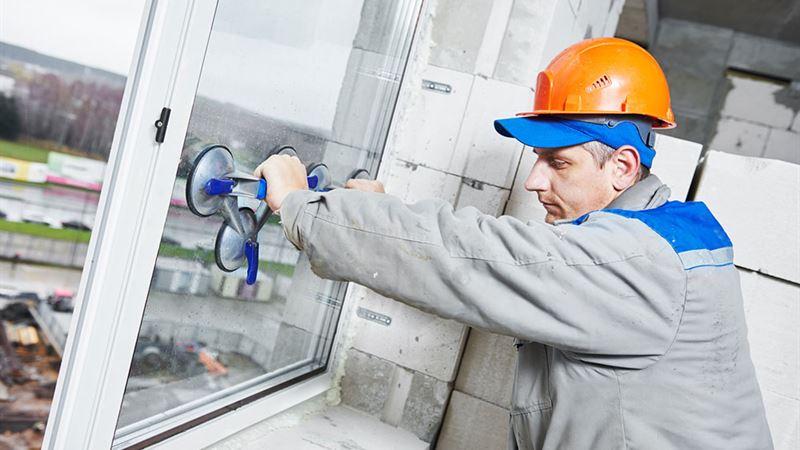
Given the technical expertise involved, window replacement is often best handled by professionals, especially for complex styles or large units. Professional installation ensures energy efficiency, proper sealing, and compliance with local building codes, ultimately saving money over the long term. DIY replacements may seem cost-effective initially but can lead to issues if not executed correctly, such as air leaks, water infiltration, or structural damage.
In conclusion, understanding the diverse costs associated with various window materials, styles, and installation methods allows homeowners to make informed decisions aligned with their budget and aesthetic goals. Proper planning, research, and professional guidance can help achieve a successful window replacement that enhances comfort, energy savings, and home value.