
Comprehensive Guide to Maintaining and Replacing Your Vehicle’s Brake Pads for Optimal Safety and Performance
This comprehensive guide provides vehicle owners with essential information on brake pad maintenance, signs of wear, and professional replacement services. Learn how to choose quality brake pads, identify early wear signs, and ensure your vehicle’s braking system remains reliable for safer driving experiences. Regular inspections and timely replacements are key to preventing costly repairs and ensuring safety on the road. Trust reputable brands and professional technicians to keep your brake system in top condition, enhancing vehicle performance and longevity.
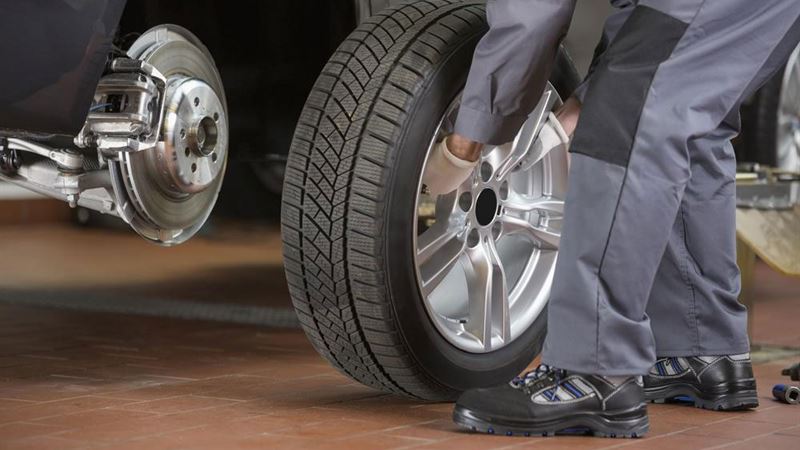
Maintaining your vehicle’s braking system is crucial for ensuring safety and optimal performance on the road. Among the critical components of your vehicle's brake system are the brake pads, which play a vital role in stopping your vehicle efficiently. Proper understanding of brake pad maintenance, signs of wear, and correct replacement procedures can save you significant costs and prevent accidents. This extensive guide aims to provide car owners with detailed insights into brake pad maintenance, the importance of quality parts, and professional repair options.
Brake pads are essential elements in your vehicle's braking system, positioned between the brake calipers and rotors. They are responsible for creating the friction needed to slow down or stop your vehicle. Over time, wear and tear naturally diminish their effectiveness, which can compromise safety if not addressed promptly. The cost of replacing individual brake pads typically ranges between $150 and $300 per axle, depending on your vehicle's make, model, and the quality of parts used. Good maintenance practices can extend the lifespan of your brake system components, saving you money and reducing the need for costly repairs down the line.
When selecting replacement brake pads, it’s vital to prioritize quality over cost. Many drivers mistakenly assume that opting for the cheapest brake pads will save money, but this choice can lead to reduced longevity, inferior performance, and increased safety risks. Trusted brands such as Motorcraft, Brembo, Wagner, Hawk, and Bendix are renowned for their durable, high-performance brake pads. Materials used in brake pads vary, including composite ceramics and organic compounds, each with distinct advantages. For instance, composite ceramic brake pads tend to produce less noise, generate less dust, and offer higher heat resistance, making them suitable for demanding driving conditions.
Understanding why brake pads wear out is essential to prevent unexpected failures. Common causes include constant exposure to stop-and-go traffic, aggressive braking habits, and environmental factors such as dirt, moisture, and road salt. Drivers who brake abruptly or harshly accelerate and decelerate frequently tend to wear their brake pads faster. Regular inspective checks can identify early signs of wear, helping you schedule timely replacements and avoid more extensive repairs like rotor or caliper damage.
Monitoring brake pad condition involves listening for squealing sounds during braking, feeling for vibrations or pulsing in the brake pedal, and estimating pad thickness through visual inspection. If your brake pads have worn down to less than a quarter of an inch, it’s time to replace them. Neglecting brake pad maintenance can lead to more costly repairs, including warped rotors or damaged calipers, which risk safety and increase expenses. Professional inspection and replacement are recommended to ensure proper installation and optimal functioning.
Professional repair shops such as Pep Boys, Firestone, and local authorized service centers offer comprehensive brake pad replacement services. Experienced technicians can accurately assess your braking system's health, recommend appropriate parts, and ensure installations adhere to safety standards. While some vehicle owners may choose to handle brake pad replacement themselves, it’s crucial to have the necessary tools and expertise to perform the task safely and correctly. Improper installation can jeopardize your safety and lead to additional repairs.
In conclusion, maintaining your brake system through regular inspections and timely replacement of worn brake pads is vital for safe driving. Choosing high-quality brake pads, understanding wear signs, and seeking professional service when needed will enhance your vehicle’s performance and extend the lifespan of your braking components. Don't compromise on safety—invest in quality parts and proper maintenance to keep your journeys secure and smooth.