
Comprehensive Guide to Electronic Signature Solutions and Their Benefits
Discover the transformative power of electronic signature software, which simplifies document signing, ensures legal compliance, and enhances organizational efficiency. Learn how eSign solutions work, their benefits across industries, and why they’re an essential tool for modern businesses seeking secure and fast approval workflows.
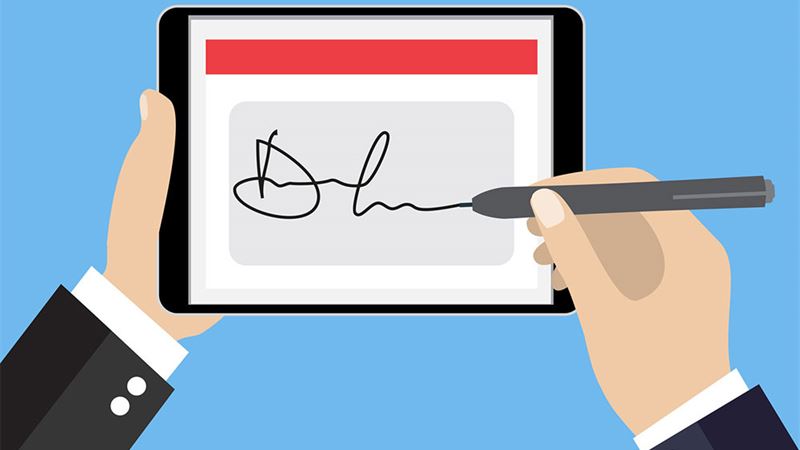
Understanding What eSignature Software Is
Electronic signature software refers to digital platforms designed to facilitate the signing of documents electronically. Instead of physically signing paper documents, users can generate a digital signature—an unique electronic mark that signifies their agreement or approval. This digital signature might be a stylized handwritten signature created with a stylus, a typed name, initials, or a specific graphic or code that serves as your legally recognized mark.
The key feature of these platforms is their capability to provide enhanced security and verification options. The software often incorporates authentication layers such as email verification, multi-factor authentication, or encryption, ensuring that signatures are legitimate and tamper-proof. This is crucial when dealing with sensitive contracts, legal documents, or compliance-related paperwork.
Beyond merely capturing signatures, these systems store signed documents and signature data securely in a centralized repository. This not only simplifies record-keeping but also ensures easy retrieval, auditability, and legal compliance. Think of it as replacing stacks of paper files with secure digital archives accessible anytime, anywhere—greatly enhancing organizational efficiency.
One of the most common examples of electronic signatures in everyday life includes signing for deliveries on mobile devices or confirming appointments online. Such quick digital approvals exemplify the convenience and practicality of eSignature solutions.
Who Benefits from eSignature Technologies?
Electronic signature software isn't limited to a specific group; rather, it offers advantages across a broad spectrum of users and industries. Educational institutions, for instance, use eSignatures to expedite admissions, consent forms, and administrative paperwork, reducing paper wastage and administrative bottlenecks. Corporate offices utilize these solutions to streamline internal approvals, client onboarding, and contract management, especially when team members work remotely or across multiple locations.
Legal firms, healthcare providers, real estate agencies, and government agencies also benefit immensely from the secure and legally compliant nature of digital signatures. Startups and small businesses, too, find these tools invaluable for quick deal closures and contract agreements.
Furthermore, eSignature technology supports remote work arrangements by enabling people to sign documents from any device, at any location, without physically being present. This flexibility not only accelerates workflows but also enhances collaboration across borders and time zones.
Legal Validity and Compliance of eSignatures
One of the principal concerns surrounding electronic signatures concerns whether they hold legal weight. Rest assured, in most jurisdictions worldwide, electronic signatures are recognized as legally binding and enforceable, provided certain criteria are met. Regulations such as the U.S. ESIGN Act and the EU’s eIDAS regulation establish that online signatures are valid for most types of agreements, including contracts, non-disclosure agreements, and consent forms.
For eSignature solutions to be legally compliant, they must incorporate verification methods that establish the authenticity of signers and maintain an audit trail of signing activities. Features like time-stamped signatures, password protections, and transaction logs help ensure the signatures are genuine and can withstand legal scrutiny. Many eSignature platforms are compliant with industry standards and regulations, making them reliable tools for businesses and legal entities.
In practice, organizations using electronic signatures are often able to speed up approval processes, reduce delays, and achieve faster compliance without sacrificing legal integrity. This efficiency gain is especially valuable in industries where time-sensitive decisions are critical.