
Ultimate Guide to Selecting the Perfect Lawn Edger for a Pristine Garden
Discover how to choose the ideal lawn edger with our comprehensive guide. Learn about the different types, power sources, wheel configurations, and blade options to make your garden maintenance easier and more efficient. Whether you have a small yard or a sprawling lawn, find expert tips to pick the perfect tool for a professionally edged landscape that enhances your home's curb appeal.
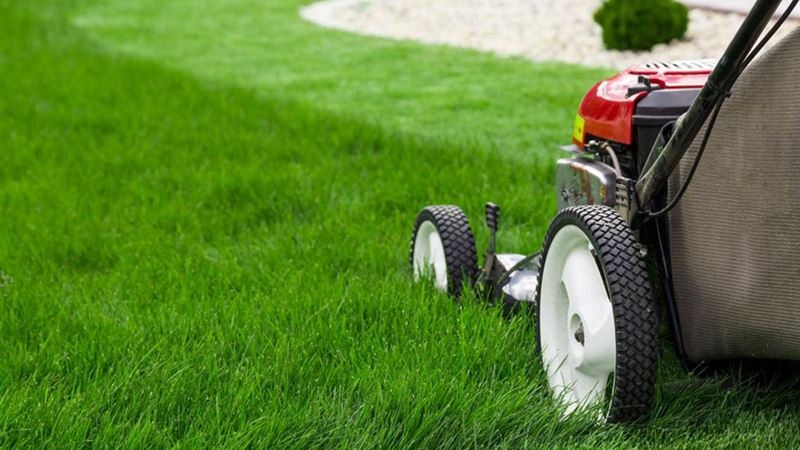
Maintaining a beautifully manicured lawn requires the right tools, and one essential gadget in every gardener's arsenal is the lawn edger. Designed to create crisp, clean edges along pathways, flower beds, and lawns, edgers help elevate the overall aesthetic of your outdoor space. With a wide range of options available in the market, choosing the best lawn edger can seem overwhelming. This comprehensive guide will walk you through key factors to consider, features to look for, and tips to select an edger that suits your gardening needs perfectly.
Understanding the importance of a good lawn edger starts with recognizing its role in lawn maintenance. A well-chosen edger not only creates a visually appealing boundary but also makes ongoing lawn care easier. Overgrown borders and uneven edges can spoil the charm of your garden; hence, investing in the right edger is crucial for achieving that professional-looking finish. In this guide, we delve into the different types of edgers, their advantages, and how to match one to your garden's specific requirements.
- The size of your lawn greatly influences the kind of edger you should choose. Smaller lawns require less powerful, lightweight models, while larger terrains demand robust equipment capable of handling extensive work efficiently.
For those with compact yards, a simple, electric edger with safety features is often sufficient. It provides ease of use and is less noisy, perfect for casual gardening or beginner gardeners. Conversely, larger properties benefit from gas-powered edgers that offer higher power, longer run times, and greater versatility. These models are designed to handle tougher edging jobs, including thick grass and dense weeds, making them ideal for expansive lawns.
- The choice between gas and electric edgers is pivotal. Electric models are cleaner, quieter, and easier to maintain, making them perfect for small to medium-sized gardens. They are lightweight and user-friendly, often featuring rechargeable batteries for cordless operation. On the other hand, gas-powered edgers provide superior power and sustain longer working hours, suitable for heavy-duty applications. However, they tend to be bulkier, louder, and require more maintenance, including handling fuel and oil.
Another factor influencing your decision is the wheel configuration. Most lawn edgers are equipped with either three or four wheels. The rear wheels typically aid in maneuverability, while the front wheel helps maintain the cutting line's straightness. Four-wheeled models often include a stabilizing curb wheel, offering enhanced stability, especially on uneven or hilly terrain. If you anticipate working on difficult landscapes, a four-wheel edger can provide better control and precision.
- Engine type and operational cycles are also significant. Gas edgers come with either two-cycle or four-cycle engines. Two-cycle engines are lighter and more affordable but require mixing oil with fuel, which can be less convenient. They also tend to emit more fumes and require more frequent maintenance. Four-cycle engines, albeit pricier, are cleaner, more efficient, and easier to operate since they run on straight fuel. Many professional landscapers prefer four-cycle models for their durability and low maintenance.
Blade design plays a vital role in how effectively an edger performs. Most models come with straight blades, suitable for general edging tasks. However, for more detailed or challenging jobs, angled blades are preferable. They allow for better maneuverability around corners, flower beds, and hard-to-reach areas, making your edging process more precise and efficient. Consider your gardening needs carefully—if you often work on complex or intricate borders, investing in an edger with angled blades is worthwhile.
- Additional features to look for include adjustable cutting depths, ergonomic handles, lightweight construction, and safety locks. These elements contribute to user comfort, safety, and overall performance. Always read customer reviews and seek expert advice if you're unsure about which model matches your gardening requirements.
In conclusion, selecting the right lawn edger hinges on understanding your lawn's size, terrain, and your specific edging needs. Taking the time to evaluate power options, wheel configurations, blade types, and additional features will ensure you purchase an edger that makes your gardening tasks easier and results in a stunning, well-defined lawn. Whether you're a casual gardener or a professional landscaper, the right edger is an investment in the beauty and upkeep of your outdoor space. Start your search today and enjoy a perfectly edged garden all year round.