
Enhancing Social Engagement for Seniors Through Community Living Programs
Discover how senior living communities support vibrant social lives through communal dining, engaging activities, and fostering lasting relationships. Experience improved well-being and independence with community-focused programs designed for seniors to thrive socially, mentally, and emotionally. Learn more about creating a joyful, connected senior lifestyle.
Sharing Meals as a Social Catalyst
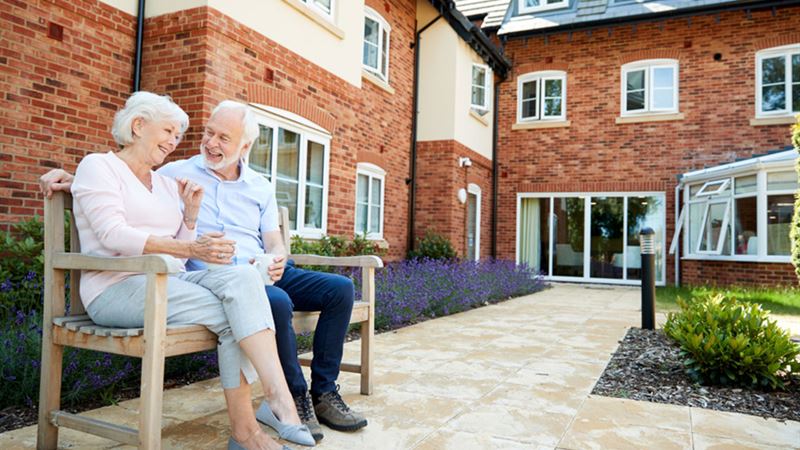
One of the simplest yet most effective ways to foster social bonds among seniors is through communal dining. Shared meals provide residents with daily opportunities to connect, converse, and forge new friendships. Many senior living communities prioritize creating inviting dining environments where residents can come together comfortably. Besides improving social interactions, these communal meals help in establishing a sense of belonging and community, which are vital for mental and emotional well-being. The act of sharing food often transcends mere sustenance, serving as a platform for storytelling, cultural exchange, and mutual support. Regular participation in these gatherings encourages seniors to step outside their routines, promoting a more engaged and lively lifestyle.
Engaging in Diverse Activities and Events
Senior communities often dedicate staff and resources to organize a wide range of activities designed to keep residents physically, mentally, and socially active. These activities may include trips to local museums, parks, or theaters, offering cultural enrichment and adventure. Within the community, residents might participate in art classes, dancing, gardening, or fitness programs tailored to their abilities. Such activities not only stimulate cognitive functions but also promote socialization, teamwork, and enjoyment. Many programs are scheduled to accommodate various interests and mobility levels, ensuring everyone can participate if they choose. The goal is to create a vibrant environment where seniors can pursue hobbies, learn new skills, and stay connected with their peers.
Fostering Meaningful Relationships
As seniors settle into their new routines, they often begin to build close bonds with both residents and staff. Initial excitement gives way to a comfortable familiarity, and over time, friendships develop that can significantly improve quality of life. Sharing stories, supporting each other through daily challenges, and celebrating milestones create a deep sense of community and belonging. These relationships often become a pillar of emotional resilience, reducing feelings of loneliness and isolation. Many senior living communities facilitate opportunities for residents to connect beyond scheduled activities, such as shared hobbies, interest clubs, or casual gatherings. The cultivation of genuine friendships enhances residents’ happiness and provides a robust support network.
Supporting Autonomy and Personal Choice
Independence remains a core priority in senior living environments. The community offers numerous activities and social opportunities, but participation is always voluntary. Residents retain the freedom to choose when and how they engage, respecting individual preferences and personal limits. This approach encourages a sense of control over one’s life and promotes self-esteem. Staff members motivate and encourage activity without coercion, recognizing that personal comfort and autonomy are essential for mental health and overall satisfaction. By balancing support with independence, senior communities create an empowering atmosphere where residents can thrive socially and emotionally. Their lifestyle becomes a harmonious blend of community involvement and personal choice, ensuring a dignified and fulfilling senior living experience.