
Maximizing Sleep Comfort: The Benefits of Memory Foam and Spring Mattress Technologies
Explore how memory foam and spring mattresses enhance sleep quality. Learn about their unique features, benefits, and how hybrid options combine these benefits for optimal rest. Discover tips for choosing the perfect mattress for your needs and promote better sleep health with innovative mattress technologies.
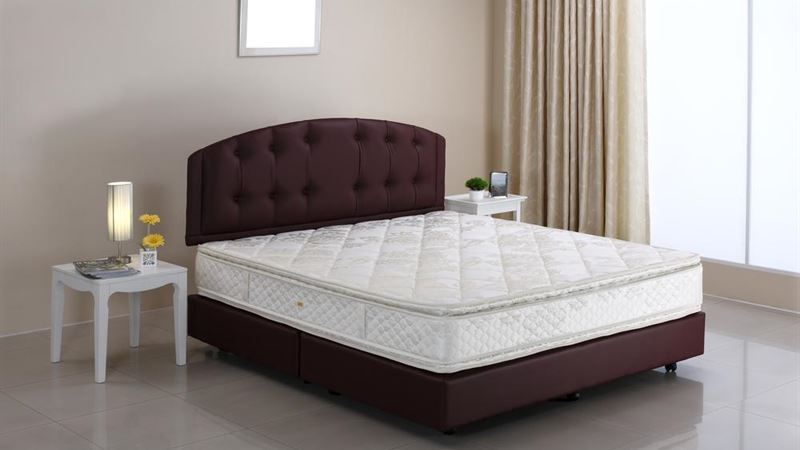
Achieving restful and rejuvenating sleep is a priority for many individuals, and the choice of a mattress plays a critical role in this pursuit. In recent years, two predominant mattress technologies have gained widespread popularity: memory foam and spring-based mattresses. Each offers unique advantages tailored to different sleep preferences and body needs. This comprehensive guide explores how these mattress types enhance sleep quality, the science behind their comfort features, and how combining these materials can lead to optimal sleep experiences.
Memory foam mattresses, epitomized by brands like Tempur Pedic, are renowned for their exceptional pressure-relief properties. Typically layered with a dense, viscoelastic foam on top, these mattresses are designed to conform closely to the contours of the sleeper's body. This conforming feature is essential for distributing body weight evenly, alleviating pressure points that can cause discomfort or disrupt sleep. The foam's elasticity allows it to adapt dynamically to different sleeping positions—whether you tend to sleep on your side, back, or stomach—offering personalized support that adjusts seamlessly to your body’s shape.
Central to the comfort provided by memory foam is its ability to maintain proper spinal alignment. Proper alignment ensures that the natural curves of the spine are preserved during sleep, reducing strain on the back and neck muscles. When lying on a memory foam mattress, the cushioning effect on the shoulders and hips alleviates common pressure points experienced in firmer surfaces. By allowing the body to sink slightly into the mattress in areas requiring support, memory foam helps maintain an 'S' curve of the spine, promoting a healthier sleep posture. This not only enhances comfort but can also reduce the risk of developing musculoskeletal issues over time.
Furthermore, the elastic nature of memory foam ensures that pressure points are evenly relieved by eliminating uneven stress distributions across the body. The top layer's adaptive surface responds to varying degrees of pressure, providing a soft yet supportive interface that promotes relaxation. This characteristic is especially beneficial for individuals with joint pain or arthritis, offering a soothing surface that minimizes pain disruptions during sleep. The meticulous design of memory foam mattresses allows for optimal shoulder and lumbar support, ensuring that the spine remains neutral regardless of whether one is lying on their back or side.
In contrast, spring mattresses—particularly pocket spring models—offer a different set of advantages centered around springing action and responsiveness. Each spring or coil is encased individually, allowing the mattress to respond independently to pressure exerted at different points. When lying on a pocket spring mattress, the springs compress proportionally to the pressure applied, creating a cushioning effect that adapts to changes in sleeping position. This localized response provides a natural bounce and support, making these mattresses feel lively and responsive under the body.
One of the primary benefits of pocket spring mattresses is their ability to contour to the body's movements. As a person shifts during sleep, the springs release tension and return to their original shape, offering continuous support without creating motion disturbances. This feature is particularly advantageous for couples, as movement is isolated, meaning one person’s movements are less likely to disturb the other's sleep. The spring system also offers excellent durability and ventilation, which aids in temperature regulation and reduces moisture buildup, contributing to a fresher sleeping environment.
Modern innovations have led to hybrid mattresses that combine the best features of both memory foam and spring technology. These solutions typically feature a supportive spring core topped with a layer of memory foam. The result is a bedding surface that marries the responsive, bouncy feel of springs with the conforming, pressure-relieving qualities of foam. Such hybrid mattresses are designed to deliver personalized support, pressure relief, and enhanced durability all in one package. The layered approach allows manufacturers to tune the firmness or softness levels based on individual preferences and specific sleep needs, making them highly versatile options for a wide range of consumers.
When selecting a mattress, understanding the advantages and limitations of each type is essential. Memory foam offers superior pressure distribution and contouring, ideal for those with joint pain or seeking a cradle-like sleeping surface. Spring mattresses, especially pocket spring types, excel in responsiveness and breathability, perfect for individuals seeking a lively, supportive feel. Hybrid mattresses combine these qualities, providing a comprehensive solution tailored to varied sleep styles and ergonomic needs.
In conclusion, the technological advancements in mattress design have significantly enhanced sleep quality and comfort. Whether opting for a memory foam mattress, a spring-based model, or a hybrid version, the underlying goal remains the same: to support proper spinal alignment, relieve pressure points, and promote restful sleep. Carefully considering individual preferences, body types, and specific health considerations can help consumers select the ideal mattress that guarantees a good night's sleep and improved overall health.