
Comprehensive Guide to Advanced and Permanent Body Hair Removal Methods
Discover the latest advancements in body hair removal, including both temporary techniques like shaving and depilatory creams, as well as permanent solutions such as laser and electrolysis. This comprehensive guide helps you choose the best method based on your needs, skin type, and budget, ensuring smooth, hair-free skin with minimal inconvenience and maximum safety. Learn detailed insights into each treatment, safety tips, and what to expect from professional procedures for lasting results.
In today's world, achieving smooth, hair-free skin is a common beauty goal for many individuals. Advances in technology have introduced a variety of body hair removal techniques that cater to different needs, preferences, and budgets. Whether you're seeking quick, temporary solutions or permanent methods that offer long-lasting results, there is an option suitable for you. In this extensive guide, we'll explore the latest and most effective treatments available, helping you make an informed decision about your body grooming routine.
When considering hair removal options, it is essential to determine whether you desire a temporary solution that can be easily redone or a permanent approach that saves time in the long run. Each method has its own benefits and considerations, which we will discuss in detail. Read on to discover the most popular and innovative hair removal techniques currently available on the market.
Temporary hair removal options
- Shaving: This is perhaps the most common method for quick hair removal. Shaving involves using a razor to cut hair at the skin's surface, providing immediate smoothness. However, it requires frequent repetition, often daily or every few days. Poor quality razors or improper technique can lead to skin irritation, razor bumps, nicks, or even cuts. To minimize skin issues, it’s advisable to use sharp blades, proper shaving creams, and techniques suited for sensitive skin. Additionally, moisturization after shaving can prevent irritation and ingrown hairs.
- Depilatory creams: These creams work by dissolving hair at the skin's surface through chemical reactions. They are a convenient and cost-effective way to remove unwanted hair without the need for shaving. Application is straightforward—spread the cream over the area, wait a few minutes, then wash it off along with the dissolved hair. While effective and painless for many, some individuals may experience allergic reactions or skin sensitivity. It’s recommended to perform a patch test before extensive use and follow the product instructions carefully. Results typically last longer than shaving, but hair regrowth occurs within a few days to a week.
Permanent hair removal options
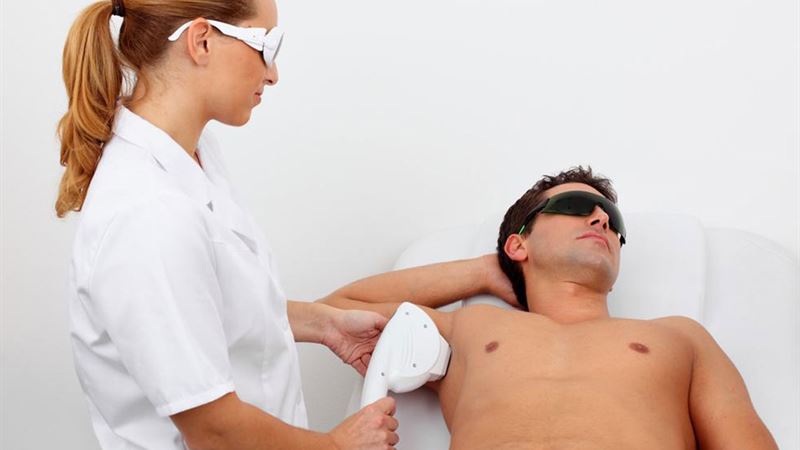
- Laser hair removal: A leading modern solution, laser hair removal utilizes concentrated beams of light to target hair follicles precisely. The laser’s energy is absorbed by pigment in the hair, heating and damaging the follicle to inhibit future hair growth. This treatment is suitable for various skin types and offers long-lasting results. Multiple sessions are usually required—typically 6 to 8—spaced several weeks apart to achieve optimal outcomes. Laser treatments are generally safe, but sessions should be performed by trained professionals to minimize risks such as skin irritation or pigmentation changes.
- Electrolysis: Considered the only permanent hair removal method approved by the FDA, electrolysis involves inserting a tiny needle into each hair follicle. An electrical current is then delivered to destroy the follicle's ability to produce hair. Though the process can be time-consuming—especially for larger areas—it provides highly precise and permanent results. Electrolysis can be used on all skin and hair types and is particularly effective for small areas like eyebrows or facial hair. As with any invasive procedure, you should seek treatment from certified practitioners to ensure safety and effectiveness.
Choosing the right hair removal method depends on your specific needs, budget, skin sensitivity, and desired permanence. Consulting with a dermatologist or certified specialist can help you identify the most suitable option. Incorporating advanced treatments such as laser or electrolysis can significantly reduce the time and effort spent on hair removal in the long term, achieving smooth, hair-free skin that lasts.
By understanding the differences between temporary and permanent options, and evaluating your personal preferences, you can make an informed decision that enhances your confidence and beauty routine. Embrace the latest technological advancements to enjoy a more comfortable and effective hair removal experience, whether you opt for quick fixes or long-term solutions.