
Comprehensive Strategies for Relieving and Managing Lower Back Pain
Discover comprehensive strategies to effectively manage and relieve lower back pain. From home remedies and medications to advanced therapies and lifestyle changes, this detailed guide explores all options for alleviating discomfort and restoring spinal health, helping you find personalized solutions for lasting relief.
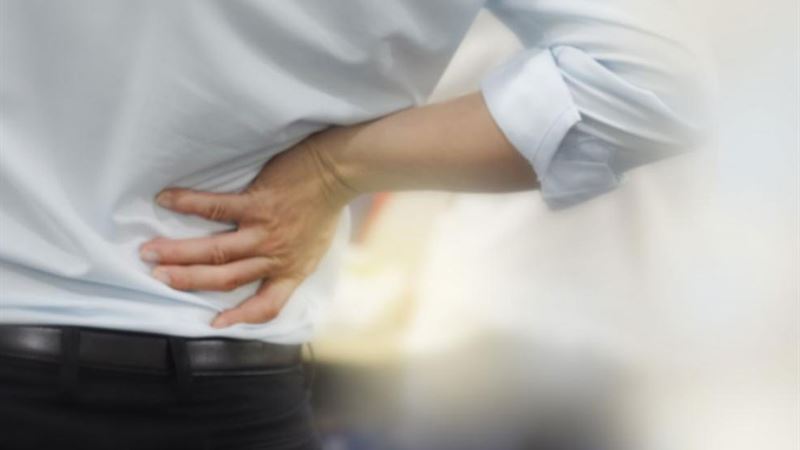
Lower back pain varies significantly in intensity and underlying causes, ranging from minor muscle strains to serious spinal injuries. The severity depends largely on the extent and nature of spinal trauma or deterioration. If you experience intense pain following an accident or trauma, it is crucial to consult a healthcare professional promptly to rule out serious conditions that may require urgent medical intervention. Mild discomfort resulting from sudden movements like twisting or bending can often be managed effectively at home, using simple remedies and lifestyle adjustments.
Understanding the root cause and severity of your lower back pain helps determine the most appropriate treatment approach. Several options are available, including home remedies, medication, physical therapy, alternative treatments, and surgical procedures. This extensive guide aims to provide you with detailed information on each of these methods to help you decide the best course of action for your individual condition.
Effective Home Remedies for Lower Back Pain
Home remedies are often the first line of defense against mild or moderate lower back pain. Techniques such as applying heat or cold packs are widely recommended to alleviate discomfort, reduce inflammation, and promote healing. Cold packs help numb the area and diminish swelling by constricting blood vessels, making them ideal for acute injuries or recent pain onset. Conversely, heat therapy, such as hot compresses or heating pads, increases blood flow to relax tense muscles and alleviate stiffness.
Additionally, light stretching and gentle activity can improve circulation and prevent stiffness. It is important to perform movements carefully and avoid aggravating the pain. Maintaining proper posture during daily activities and avoiding prolonged bed rest can also support recovery. Resting on a firm surface and ensuring your sleeping position maintains spinal alignment are beneficial steps to reduce strain on the lower back.
Medication-Based Treatments for Persistent Pain
If home remedies do not sufficiently alleviate your symptoms, consulting a healthcare professional is advisable. They may prescribe medications to manage pain and inflammation. Over-the-counter nonsteroidal anti-inflammatory drugs (NSAIDs) such as ibuprofen or naproxen are common choices for reducing swelling and alleviating pain. For short-term relief of severe discomfort, doctors might recommend stronger medications like muscle relaxants or even narcotic painkillers, but these should be used with caution due to potential side effects and dependency risks.
Prescription medications like antibiotics are generally not used unless an infection is identified as the cause of back pain. It’s essential to follow the prescribed dosage and duration to avoid complications. In cases of nerve-related pain, some doctors might recommend medications that target nerve pain, such as gabapentin or pregabalin.
Physical Therapy and Rehabilitation
Targeted physical therapy plays a vital role in treating lower back pain, especially for chronic or recurring cases. A licensed physiotherapist can design personalized exercise programs to strengthen core muscles, improve flexibility, and correct posture. Physical therapy not only relieves current pain but also prevents future injuries by addressing muscular imbalances and misalignments.
Common therapeutic techniques include manual therapy, posterior chain stretching, and strengthening exercises for the abdominal and back muscles. Using modalities like ultrasound, electrical stimulation, and thermotherapy can further enhance healing. Regularly attending physical therapy sessions and adhering to prescribed exercises at home can significantly improve outcomes.
Advanced Medical Interventions
For persistent, severe, or degenerative conditions, more advanced medical treatments might be necessary. Interventions such as epidural steroid injections can deliver anti-inflammatory medication directly to the affected nerve roots, providing long-term pain relief. These procedures are minimally invasive and can be repeated if necessary.
In cases where nerve compression or structural anomalies are significant, surgical options may be considered. Surgical interventions aim to decompress nerves, stabilize the spine, or replace damaged discs.
Alternative and Complementary Treatments
Many individuals seek alternative therapies when conventional treatments do not produce desired results or to reduce reliance on medication. These holistic approaches can effectively complement standard medical care or serve as standalone options for suitable candidates.
Acupuncture involves inserting fine needles at specific body points to stimulate blood flow, reduce muscle tension, and promote natural healing. Practitioners believe that acupuncture helps balance the body’s energy flow, alleviating pain and restoring function.
Chiropractic Care focuses on manual adjustments of the spine and joints to correct misalignments and improve overall spinal health. Regular chiropractic sessions can alleviate pressure on nerve roots and help restore normal mobility.
Massage Therapy offers relief by relaxing tense muscles and increasing circulation. Targeted massages using medicated oils such as clove oil can reduce inflammation and alleviate pain. Massage therapy is especially effective for muscle pulls and tension-related pain.
Support Devices and Braces
In certain cases, such as recovery from surgery or pregnancy-related back pain, wearing a supportive back brace can stabilize the spine and prevent further injury. Proper bracing can also alleviate pressure on affected discs and nerves, promoting healing and providing relief.
Lifestyle Adjustments and Preventative Measures
Many cases of lower back pain originate from poor habits and sedentary lifestyles. Modern reliance on technology and prolonged sitting contribute heavily to spinal issues. Making conscious changes can significantly reduce pain frequency and severity.
Engaging in regular physical activity, maintaining a healthy weight, and practicing ergonomic workplace habits are crucial steps. Avoiding prolonged sitting and taking frequent breaks to stretch can prevent stiffness and muscle strain. Incorporating standing desks and ergonomic chairs can support proper posture.
Yoga and Stretching Exercises
Yoga combines stretching, strengthening, and breathing techniques, making it highly effective for back health. Regular yoga practice enhances flexibility, tones core muscles, and relieves muscular tension. It also helps in restoring posture alignment and reducing stress levels, which indirectly impact back pain.
Gentle stretching of hamstrings, hip flexors, and lower back muscles can prevent minor injuries caused by sudden movements or overuse. Maintaining muscle elasticity decreases the risk of strains and enhances overall spinal stability.
Stress Management and Mindfulness
Chronic stress and anxiety are known contributors to pain perception and muscle tension. Incorporating mindfulness techniques such as meditation, deep breathing, and progressive relaxation can help manage stress levels. Regular meditation releases endorphins and creates a relaxed state, often reducing the intensity of pain signals and improving overall well-being.
Surgery: Last Resort Options
Surgical procedures are generally recommended only when all conservative treatments have failed, or when a severe medical issue necessitates intervention. Surgeries carry risks and require careful consideration and consultation with qualified specialists.
Decompression Surgeries involve relieving pressure on compressed nerves caused by herniated discs, spinal stenosis, or other structural abnormalities. Typical procedures include laminectomy or discectomy.
Spinal Fusion stabilizes the spine by fusing two or more vertebrae to reduce movement and alleviate pain caused by instability or deformities. This procedure is effective for severe degenerative conditions, spondylolisthesis, or fractures.
Artificial Disc Replacement is an innovative surgical option where damaged discs are replaced with artificial ones, restoring spinal mobility while reducing pain. Suitable candidates are evaluated based on specific criteria by their healthcare providers.
In conclusion, managing lower back pain requires a comprehensive approach that combines immediate relief options, long-term lifestyle strategies, and, if necessary, surgical interventions. A multidisciplinary approach tailored to individual needs offers the best chance for recovery and improved quality of life.