
Comprehensive Guide to Nourishing and Balanced Diets: Essential Strategies and Tips
Discover practical tips for crafting balanced, nutritious diets with smaller meals, optimal meal timing, hydration, and colorful, nutrient-rich foods. This comprehensive guide helps you adopt sustainable eating habits, boost metabolism, and enhance overall well-being for a healthier lifestyle.
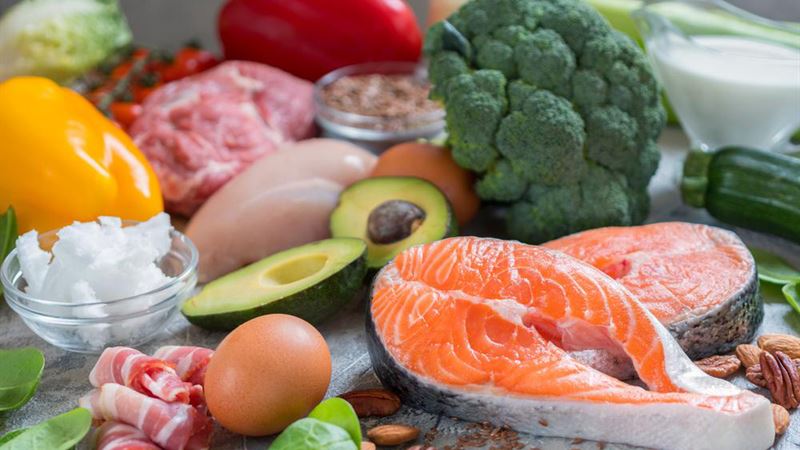
Frequent, Smaller Meals to Boost Metabolism
One of the most effective approaches to a healthy diet is consuming multiple small meals throughout the day instead of skipping meals or sticking to large portions. This practice stimulates your metabolism, keeps your energy levels stable, and prevents overeating. Ideally, you should aim for about five to six mini-meals daily, each rich in essential nutrients but light enough to be easily processed by your body. Small, frequent meals ensure that your body receives a steady supply of nutrients, preventing hunger pangs and reducing the temptation to indulge in unhealthy snacks. Additionally, this pattern helps regulate blood sugar levels and promotes better digestion. Incorporate whole grains, lean proteins, healthy fats, and fiber-rich foods into your mini-meals to maximize benefits and keep your energy sustained throughout the day.
Optimal Timing for Your Meals
Timing plays a critical role in how effectively your body processes food. There are optimal periods during the day for eating that can significantly impact your metabolism and overall health. The first meal of the day, breakfast, should be consumed within an hour of waking up. This early intake acts as a metabolic primer, kick-starting your digestive system and providing the energy needed for the day ahead. Skipping or delaying breakfast can lead to sluggish digestion and increased cravings later in the day. Your last meal, ideally, should be eaten early in the evening—at least 2 to 3 hours before bedtime. Eating late can disrupt your sleep cycle and hinder your body's ability to process food, leading to weight gain and other health issues. Establishing consistent meal times helps your body develop a rhythm, leading to better digestion and more efficient nutrient utilization.
Stay Hydrated for Optimal Health
Hydration is a cornerstone of any effective dietary plan. Water supports crucial bodily functions like digestion, nutrient absorption, and temperature regulation. Aim to drink at least eight to ten glasses of water daily, and adjust based on your activity level and environmental conditions. Proper hydration also plays a strategic role in controlling hunger, especially between meals. Often, the sensation of hunger can be mistaken for dehydration; drinking water can alleviate these false hunger signals. During snack times or moments of cravings, a glass of water can significantly reduce the desire for junk foods and unhealthy treats. Well-hydrated bodies also tend to have a stronger immune system, better metabolism, and improved detoxification. Make water your primary beverage choice over sugary drinks or caffeine, which can diminish hydration and add unnecessary calories to your diet.
Colorful Plates for Balanced Nutrition
Creating visually appealing and nutritionally balanced meals is both fun and beneficial. Incorporate a variety of colorful fruits and vegetables into your meals to ensure diverse nutrient intake. Different colors typically represent different phytochemicals and antioxidants that bolster your immune system and fight oxidative stress. A vibrant plate with reds, greens, yellows, and purples not only enhances the dining experience but also guarantees that your body receives a spectrum of vitamins, minerals, and fiber. Combine these colorful produce items with lean proteins, complex carbohydrates like whole grains, and healthy fats such as nuts and olive oil. This approach makes your meals more enticing, encourages healthy eating habits, and provides comprehensive nourishment for your body. Remember, the more colors you include in your plate, the broader the range of nutrients you consume, boosting overall health and vitality.