Discover the ultimate guide to assessing and maximizing the value of used tractors. This comprehensive article covers valuation methods, influencing factors, maintenance tips, and upgrades to help you make informed buying and selling decisions in the agricultural equipment market. Learn how to accurately evaluate machinery, enhance its worth, and safeguard your investment for years to come.
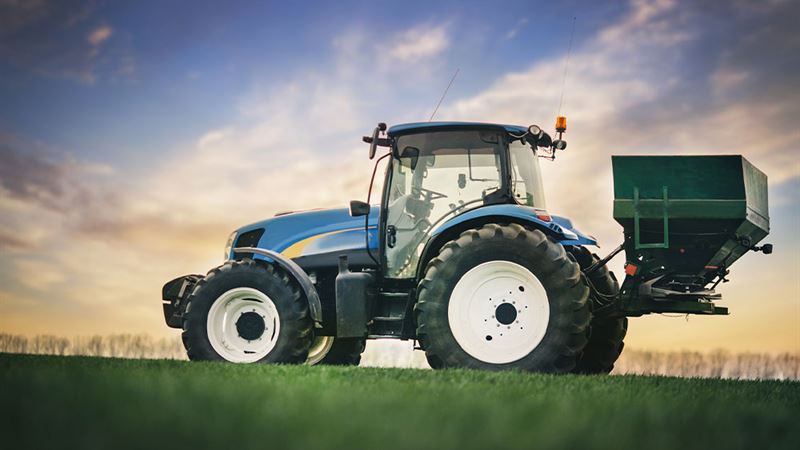
Understanding the true worth of a used tractor is crucial whether you're looking to buy or sell. Accurate valuation not only helps in negotiating a fair price but also ensures you optimize your investment. This extensive guide provides detailed insights into how to evaluate used tractors reliably, factors influencing their market value, and practical tips to maintain or enhance their worth over time. Whether you are a farmer, equipment dealer, or enthusiast, this comprehensive resource aims to assist you in making informed decisions in the used tractor marketplace.
Knowing how to determine a used tractor's real value involves considering various key aspects, from technical specifications to market trends. The process begins with assessing the machinery's condition, age, and usage history, then moves into understanding external market influences. It’s vital to utilize accurate evaluation tools and consult industry experts for precise pricing. This approach ensures that sellers can maximize profits and buyers can secure quality equipment at a reasonable price.
Self-Assessment of Used Tractors: Essential First Step
When evaluating a used tractor, personal assessment plays an integral role. Many individuals overlook the importance of their judgment, but a careful visual inspection combined with online tools can give a solid estimate of the vehicle’s worth. Digital valuation apps are user-friendly and typically free, allowing operators to input specific parameters such as model, year of manufacture, original purchase price, and current condition. These inputs generate an approximate market value, giving a helpful starting point for negotiations. Accurate self-assessment enables you to set realistic expectations, whether you're planning to buy or sell a used tractor.
Leveraging Professional Appraisals for Precision
While self-evaluation offers a preliminary idea of value, engaging with professional appraisers delivers more accurate and unbiased results. Tractor specialists or certified appraisers examine the machinery thoroughly, assessing not only visible wear and tear but also internal components, engine health, and overall performance. Their detailed evaluation includes analyzing market trends, considering the tractor’s age and maintenance history, and factoring in current demand for specific models. As a result, professional appraisals typically reflect the true market value more closely, aiding sellers in setting competitive prices and buyer’s in making confident purchasing decisions. This service is especially beneficial for vintage or rare models, where genuine market insights can significantly influence the final price.
Primary Factors Impacting Used Tractor Valuations
There are no fixed formulas for calculating the exact value of a used tractor; however, several critical factors consistently influence pricing. Recognizing these factors helps both buyers and sellers understand what drives market value and how to optimize or negotiate accordingly.
- Age and Model Year
In general, newer models tend to command higher prices due to updated features, improved efficiency, and longer remaining lifespan. Tractors that are only a few years old retain much of their original value, whereas older units may depreciate significantly, particularly if outdated technology or parts are involved. The specific model also plays a role, with popular and sought-after models often maintaining better resale value.
- Mileage and Usage Hours
The extent of use, measured through mileage or operating hours, directly affects depreciation. A tractor with minimal hours and documented maintenance records will usually fetch a higher price. Excessive usage, heavy wear, or frequent repairs decrease value and can signal potential future expenses for prospective buyers.
- Overall Condition and Maintenance
Well-maintained equipment with a clean appearance, good engine performance, and no significant structural issues maintains higher value. Visible damages such as dents, rust, or worn-out parts lower desirability. Regular servicing, timely repairs, and kept-up appearance significantly boost the marketability of a used tractor.
Strategies to Enhance and Protect Your Used Tractor’s Value
If you aim to preserve or even increase the value of a used tractor, strategic upkeep is essential. Proper management and small investments can substantially impact resale price and extend machinery life. Here are practical tips to help you maximize your tractor’s worth.
- Consistent and Proper Maintenance Practices
Routine maintenance is the foundation of preserving machinery value. Regular oil changes, filter replacements, and inspections prevent major breakdowns and keep the tractor running at peak efficiency. A well-documented maintenance record adds credibility and reassures buyers about the equipment’s reliability. Avoid neglecting minor repairs, as these can escalate into large, costly issues over time. Protecting the tractor from harsh weather, rusting, and corrosion by storing it appropriately is also vital in maintaining its condition and appearance.
- Upgrades and Necessary Improvements
Investing in targeted improvements can significantly boost your tractor’s appeal. Replacing worn-out tires, upgrading hydraulic systems, or adding modern control panels can make the machinery more efficient and attractive to prospective buyers. Basic cosmetic enhancements such as repainting or fixing dents restore the visual appeal, influencing perceived value. For vintage or classic tractors, restoration with original parts preserves authenticity while increasing market desirability. Prioritize improvements that offer tangible benefits like better fuel efficiency, ease of operation, or repair cost reduction, as these directly impact value.
- Special Care for Vintage and Classic Models
If your tractor is a vintage or collectible model, it’s crucial to handle any updates or repairs with care. Using original spare parts and consulting specialists preserves authenticity and ensures optimal functioning. Proper storage, regular cleaning, and protective coverings help prevent deterioration. Genuine restoration efforts can result in substantially higher resale prices, especially when the equipment is in excellent condition and retains its historical value. Collectors and enthusiasts often pay premium prices for well-maintained vintage units, making proper care a worthwhile investment.
Owning a new tractor might be the ideal scenario, but the high upfront costs aren’t feasible for everyone. Fortunately, purchasing used equipment through reputable dealers or manufacturers can provide a cost-effective pathway to mechanization without sacrificing quality. Recognizing the true value of a used tractor, through thorough evaluation and expert advice, ensures you make sound financial decisions. Whether buying or selling, understanding the factors that influence market value will help you negotiate effectively and secure the best deal possible.
Remember, diligent evaluation and ongoing maintenance are key to preserving your investment. Staying informed about market trends, model popularity, and technological updates allows you to stay ahead in the used tractor industry. With the right knowledge and care, your used tractor can serve you efficiently for many years to come, providing excellent return on investment and reliable performance in your agricultural or industrial endeavors.
