
Comprehensive Guide to Selecting and Purchasing the Ideal Sofa
Discover the ultimate guide to selecting and purchasing the ideal sofa for your home. Learn about styles, materials, construction techniques, comfort options, and budget tips to make an informed decision. Enhance your living space with a sofa that combines durability, style, and comfort, tailored perfectly to your needs and preferences. Find out how to choose the right features and capitalize on sales for the best value. This comprehensive guide ensures you achieve a perfect blend of aesthetics and functionality for your living room or any space.
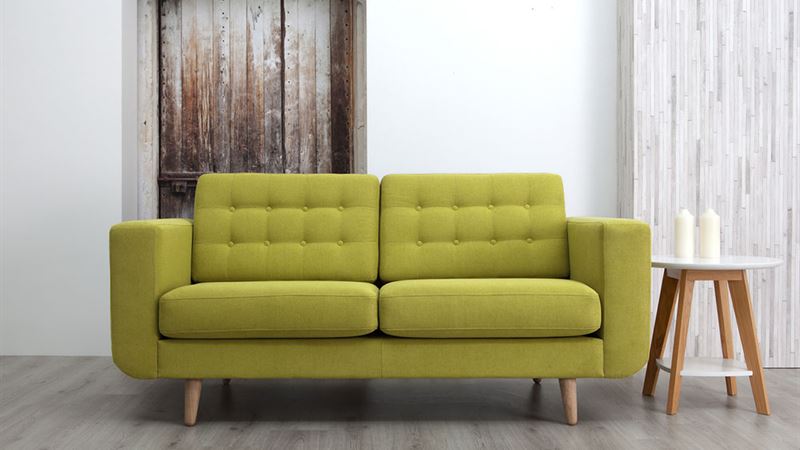
Types of Sofas and Styles
Sofas come in an array of styles suited to different interior themes and personal tastes. Common categories include traditional, modern, contemporary, transitional, and eclectic designs. Additionally, specialized styles like sectional sofas, chaise lounges, recliners, and sleeper sofas serve functional purposes such as maximizing seating capacity, providing lounging comfort, or converting into beds for guests. When choosing a sofa, consider the overall decor theme of your space. For instance, a sleek leather sectional complements modern interiors, while a tufted fabric sofa adds charm to a traditional setting. It’s also important to evaluate the size and shape of the sofa to fit the dimensions of your room, ensuring ample seating without cluttering the space.
Material Selection: Durability and Aesthetics
The choice of material greatly influences the sofa’s appearance, comfort, and longevity. Wood remains a popular frame material due to its strength and natural beauty. Solid hardwood frames, such as oak, maple, or walnut, provide increased durability and are resistant to warping or cracking. Metal frames, constructed with steel or aluminum, offer a contemporary look and robustness but may be prone to bending or creaking over time if not properly manufactured.
Upholstery options are equally important. Leather is celebrated for its durability, ease of cleaning, and luxurious feel, making it ideal for high-traffic households. Faux leather or bonded leather provides a similar aesthetic at a lower cost but may wear out faster. Fabric upholstery introduces a broader palette of colors and textures, offering a softer touch and easier maintenance—especially when removable and washable covers are available. Common fabric options include microfiber, linen, polyester, and blends, each with distinctive benefits and care instructions.
Construction materials for sofa frames like particleboard or MDF (Medium Density Fiberboard) are less durable and more suitable for budget-friendly options. These materials tend to warp or degrade over time, especially with frequent use. Therefore, investing in a sofa with a high-quality hardwood or metal frame ensures longevity and sustained comfort.
Frame Assembly Techniques
The structural integrity of a sofa depends on its assembly method. Two predominant construction techniques are staple joint assembly and double dowel assembly. Staple assembly involves fastening the frame components with staples, which is an inexpensive process but generally results in a less durable structure. Double dowel assembly employs two dowels—either glued, screwed, or both—to securely connect frame parts, offering enhanced stability, strength, and longevity. When shopping for a sofa, inquire about the assembly method since better construction correlates with increased durability and overall value.
Comfort and Cushioning Options
Comfort is paramount when selecting a sofa. The cushioning materials and design directly impact how cozy and supportive the seating will be. Premium cushions filled with goose down or duck feathers provide an exceptionally plush experience but might require regular fluffing and maintenance. High-density foam cushions offer excellent support and shape retention, making them a popular choice for everyday use. Conversely, low-density foam tends to soften rapidly and flatten, leading to decreased comfort over time.
Hybrid cushions, combining foam cores with down fill, strike a balance between softness and durability. The choice between loose, removable cushions and built-in, sewn-in designs depends on convenience and maintenance preferences. Removable cushions facilitate cleaning and reupholstering, whereas tight, sewn-in cushions offer a sleeker appearance and are less prone to shifting.
Upholstery fabric also influences comfort. Leather sofas tend to be cooler in summer and warmer in winter, while fabric options may be more adaptable to different climates and design themes. Select a high-quality fabric with sufficient weight and weave density to resist wear and stains, ensuring your sofa remains appealing and comfortable for years to come.
Additional Features and Accessories
Modern sofas often come with supplementary features such as reclining mechanisms, built-in storage compartments, or adjustable headrests. Recliner sofas cater to relaxation needs, allowing users to lean back and elevate their legs for added comfort. Storage sofas help optimizing space by hiding away blankets, pillows, or other items, especially valuable in smaller living rooms or apartments.
Another consideration is the upholstery protection—stain-resistant fabrics, Scotchgard treatments, or removable covers can simplify maintenance and prolong the life of your sofa. Armrest style and height, sleeper functionalities, and height of the sofa itself are additional factors to consider based on your specific needs and room configuration.
Budgeting and Purchasing Tips
Setting a budget before shopping streamlines the selection process and helps you focus on options that offer the best value. Remember, a higher initial investment often translates into better materials and craftsmanship, resulting in a longer-lasting piece. Look out for seasonal sales, promotional discounts, or outlet stores where high-quality sofas might be available at reduced prices.
Test the sofa in-store by sitting on it for several minutes to evaluate comfort and support. Check the frame’s sturdiness, cushion firmness, and ease of cleaning. Reading customer reviews online can provide insights into durability and overall satisfaction. When buying online, ensure the seller provides detailed specifications, a clear return policy, and warranty information for peace of mind.
In conclusion, choosing the right sofa involves balancing style, comfort, quality, and budget considerations. By understanding the vital aspects discussed in this comprehensive guide, you will be well-equipped to make an informed purchase, ensuring your new sofa becomes a cherished centerpiece in your home for years to come. Keep an eye out for sales and promotional events online, and don’t hesitate to explore various options to find the perfect fit for your living space.