
Comprehensive Guide to Selecting the Perfect Toys for Your Children’s Development and Joy
Discover the ultimate guide to choosing safe, educational, and fun toys tailored to your child's developmental stage. From sensory toys for infants to creative play for toddlers and preschoolers, this comprehensive article offers tips and suggestions to support healthy growth and joyful play experiences at every age.
Early Months (0-12 months): Stimulating Vision and Sensory Development
During the first year of life, a baby's vision is still blurry, and their visual acuity is rapidly improving. Bright, bold patterns and high-contrast images are effortlessly captivating for infants at this stage. Toys that encourage their natural curiosity and help develop their senses are ideal. Early months focus on stimulating vision, hearing, touch, and motor skills in gentle ways. Toys like rattles, teething rings, soft fabric balls, and brightly colored mobiles play a vital role in early development. These toys should be soft, lightweight, washable, and designed to promote interaction through sound, texture, and vibrant visuals. Soft plush toys, activity mats, and sensory blocks with nubby textures are perfect choices. They not only entertain but also aid in sensory processing, hand-eye coordination, and motor skill development. Small stuffed animals and dolls that are washable and colorful provide comforting companionship and bolster early emotional bonds. Mobile cribs with bright colors and gentle music stimulate visual and auditory senses, encouraging babies to track movement and respond to sounds.Key Toys for 0-12 Months: Rattles, activity gyms, soft plush rattles, sensory blocks, high-contrast mobiles, teething toys, fabric balls, plush dolls, and soft blocks catered to sensory stimulation and motor development.
Toys for Toddlers (12-24 months): Developing Motor Skills and Cause-Effect Understanding
By the time children reach their first birthday, they are rapidly acquiring new skills, including walking, grasping, and manipulating objects. Toys during this period should support their newfound mobility and help refine their motor coordination. It is an exciting phase where your toddler begins understanding cause and effect, enjoying toys that respond to their actions. Simple, safe toys that promote active engagement and help develop fine and gross motor skills are ideal. For example, toys like stacking rings, push-and-pull toys, shape sorters, and mini puzzles are highly beneficial. They encourage problem-solving, hand-eye coordination, and muscle development. Avoid overly complex or electronic toys, as young children are best stimulated by tactile, straightforward objects. Toys that produce sound when interacted with, such as musical instruments or toy drums, also promote auditory development. Additionally, toys like rubber ducks, toy boats, and soft blocks are perfect for sensory exploration and active play, helping toddlers learn through their natural curiosity.Top Toys for 12-24 Months: Stacking rings, push toys with sounds, pull-together toys with moving parts, shape sorters, beginner puzzles, rubber ducks, toy boats, and soft building blocks.
Preschool Years (24-36 months): Fostering Creativity and Purposeful Play
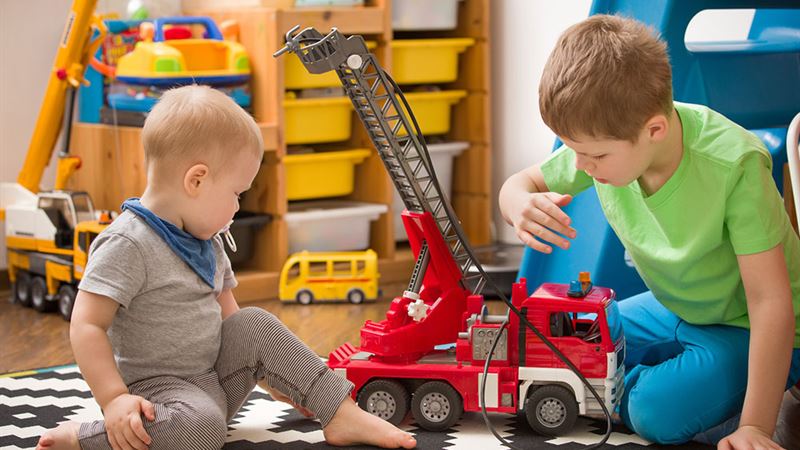
As children enter the preschool phase, their cognitive and motor skills are developing rapidly. This is a critical period to introduce toys that are not only fun but also educational and purpose-driven. Toys that stimulate problem-solving, creativity, and social interaction become increasingly important. Puzzles with a few pieces, building blocks, and memory games enhance cognitive skills and hand-eye coordination. Tech toys such as interactive dolls that speak, or motorized cars and trucks that move and honk, are suitable at this stage, provided they are simple and safe. Classic toys like tea-party sets, toy telephones, and doll strollers foster imaginative play and social skills. Ride-on toys, such as tricycles or balance bikes, help develop gross motor skills while encouraging outdoor activity. Creative play is supported by art supplies, role-playing costumes, and pretend play sets, allowing children to express themselves and develop social and emotional intelligence. Remember, safety is paramount — age-appropriate toys, sturdy construction, and non-toxic materials ensure a safe play environment.Best Toys for 24-36 Months: Dolls, stuffed animals, ride-on vehicles, toy telephones, pretend play sets, building blocks, small puzzles, and beginner-friendly tricycles.