
Comprehensive Guide to Selecting the Perfect Skid Steer for Your Workload
Explore our comprehensive guide on selecting the perfect skid steer loader for your specific needs. Understand how to evaluate size, power, new versus used options, safety features, attachments, and costs. Make an informed decision to enhance your productivity and operational efficiency with the right machinery tailored to your work environment and budget. From inspection tips to financing advice, this article covers everything you need to know for a successful skid steer purchase.
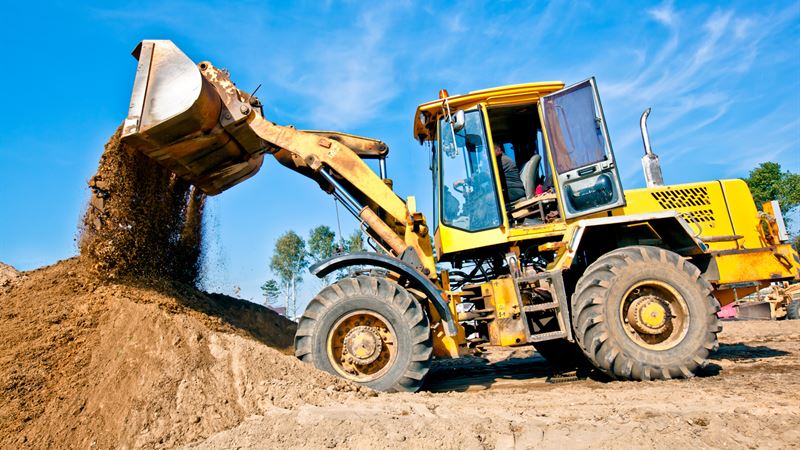
Choosing the ideal skid steer loader is a critical decision for contractors, landscapers, and construction professionals aiming to boost productivity and ensure safety on job sites. Properly matching your equipment to your specific needs involves a detailed understanding of various factors such as task requirements, operating environment, machine features, and budget considerations. This extensive guide delves into everything you need to know about purchasing a skid steer, whether new or used, to help you make an informed choice that maximizes efficiency and long-term value.
First and foremost, identifying the primary tasks you plan to undertake with a skid steer is essential. The nature of your work significantly influences the optimal size and power of the machine. For small-scale landscaping projects or residential work, a compact skid steer is typically sufficient. These smaller models offer excellent maneuverability in tight spaces, making them ideal for tasks like grading, trenching, and light lifting. Conversely, large-scale construction projects or heavy-duty excavation require more robust machinery capable of handling substantial loads and operating in demanding environments. Larger models with higher horsepower and increased hydraulic capacity become necessary in such cases.
Assessing Work Conditions
The type of terrain and spatial constraints where the skid steer will be utilized forms the foundation of your selection process. If your work primarily involves confined areas such as urban landscapes, gardens, or interiors of buildings, a compact unit with excellent agility is preferable. These models can navigate narrow passages and perform swift maneuvering with ease. If, however, your tasks involve working on uneven, rocky, or muddy terrain, you should consider skid steers equipped with high ground clearance, heavy-duty tires, and reinforced undercarriages designed to withstand rough conditions. Additionally, consider the frequency and duration of operation. Machines engineered for continuous use may feature enhanced cooling systems and durability components, ensuring reliability during extended periods of operation.
Engine Power, Hydraulic Performance, and Capacity
The engine size and hydraulic capabilities are fundamental aspects of skid steer performance. Light-duty models generally operate within 20 to 50 horsepower, suitable for light lifting, material moving, and landscaping activities. For heavier tasks such as demolition or large-scale excavation, models exceeding 100 horsepower are often necessary to provide sufficient force and speed. Equally important is the machine’s operating capacity, which determines the maximum load it can handle safely. Always verify the rated operating capacity and tipping load specifications, matching them to your typical work requirements to prevent overloading and ensure safety.
New Versus Used Skid Steers
When considering your options, you’ll need to decide between purchasing a brand-new machine or a pre-owned one. New skid steers come equipped with the latest technological innovations, including improved fuel efficiency, enhanced operator comfort, advanced safety features, and longer warranties. While the upfront cost is higher, a new machine minimizes the risk of breakdowns and unexpected repair expenses in the short term. On the other hand, used skid steers present a budget-friendly alternative. Carefully selected used machines can deliver excellent performance at a significantly lower price point. It’s vital to thoroughly inspect the machine's maintenance history, look for signs of heavy wear, and verify that essential systems like hydraulics and engine components are in good condition. Dealer warranties on used equipment can also provide additional peace of mind.
Key Features and Attachments
Versatility is one of the main advantages of skid steer loaders, largely thanks to their ability to switch between different attachments. Before purchasing, ensure the machine is compatible with your required tools such as buckets, augers, trenchers, snow blowers, and backhoes. Quick-attach systems greatly facilitate swapping attachments, saving valuable time and labor. The more adaptable your skid steer, the broader the range of tasks you can undertake efficiently.
Operator Comfort and Safety Features
Smooth operation and safety go hand in hand. An ergonomic cab with adjustable seats, easy-to-reach controls, and good visibility are essential for reducing operator fatigue and increasing productivity. Features like air conditioning, sound insulation, and intuitive control interfaces contribute to a comfortable work environment. Safety features must not be overlooked: ROPS (Roll-Over Protective Structure), FOPS (Falling Object Protective Structure), and safety restraint systems are critical for protecting operators during accidents or unexpected incidents. Adequate lighting, backup alarms, and camera systems enhance safety, especially when working in low-light conditions or tight spaces.
Maintenance, Serviceability, and Parts Availability
Long-term operational costs are heavily influenced by the ease of maintenance and repair. Opt for skid steers with accessible service points, straightforward maintenance schedules, and a robust dealer network that can supply spare parts promptly. Regular maintenance, including hydraulic fluid changes, filter replacements, and engine tune-ups, prolongs machine lifespan and minimizes downtime. Documented maintenance records and a history of the equipment’s care can also help predict future reliability, especially when buying used machinery.
Fuel Efficiency and Emission Standards
Operational costs are impacted by fuel consumption, making fuel-efficient models more desirable. Modern skid steers are designed to meet stringent emissions standards, reducing environmental impact and often qualifying for eco-friendly operation incentives. Selecting models with advanced engine management systems can lead to significant savings over their lifespan without sacrificing performance.
Financial Planning and Cost Analysis
Prioritize your budget and explore various financing options available through dealers such as loans, leases, and installment plans to ease the purchase process. When calculating the total cost of ownership, consider factors like insurance, regular maintenance, operational expenses, and potential downtime costs. Conduct a thorough cost-benefit analysis to determine the ROI (Return on Investment). A well-chosen skid steer can enhance productivity, minimize labor costs, and accelerate project timelines, thus offering substantial financial benefits over time.
Inspect and Test Before Finalizing Purchase
Before committing to buy, perform a comprehensive inspection of the machine. Check the engine performance, hydraulic systems, undercarriage condition, and attachment interface. Take the time to test drive the skid steer to evaluate control responsiveness, stability, and operator comfort firsthand. Testing allows you to detect any anomalies or signs of neglect, ensuring you only invest in equipment that meets your standards.
Reputation and Support from Dealers and Manufacturers
Choose reputable dealers and manufacturers recognized for quality, reliability, and after-sales service. Read customer reviews, seek industry peer recommendations, and verify the availability of certified service centers. A reliable dealer will also assist with training, maintenance support, and warranty coverage, providing ongoing assistance to maximize your equipment’s lifespan and performance.
In conclusion, purchasing a skid steer loader is a substantial investment that can transform your operations. By carefully analyzing your work requirements, considering both new and used options, and evaluating key features, you set the foundation for a successful acquisition. Thorough inspection, testing, and partnering with trusted dealers will ensure you select a machine that offers durability, safety, efficiency, and long-term value. Properly chosen, your skid steer will be a reliable workhorse capable of meeting diverse demands and driving your projects toward success.