
Comprehensive Guide for Purchasing a Pre-Owned Jeep Wrangler: Tips and Insights
Learn essential tips for purchasing a used Jeep Wrangler, including model research, condition assessment, modification checks, and professional inspection. This comprehensive guide helps buyers make confident, informed decisions to find a reliable, well-maintained off-road vehicle that matches their needs and budget, ensuring a worthwhile investment in the competitive used car market.
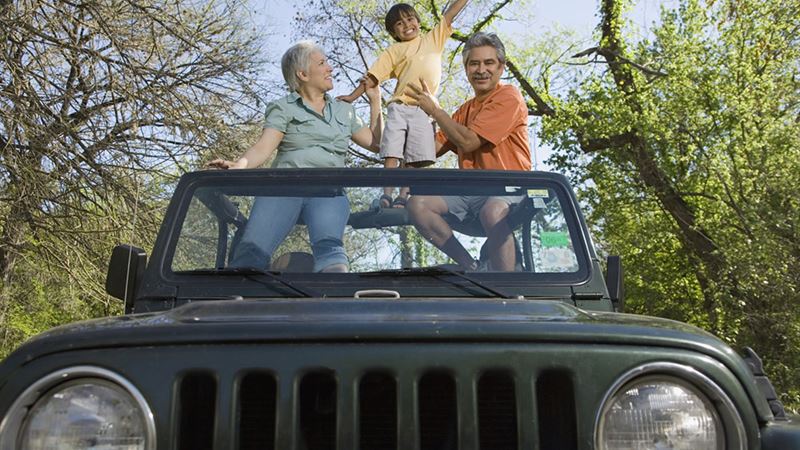
Investing in a used Jeep Wrangler can be a great choice for off-road enthusiasts and city drivers alike. However, making an informed purchase requires thorough research, careful inspection, and understanding of the vehicle's history. This detailed guide will walk you through the essential steps to identify the best pre-owned Jeep Wrangler, ensuring you get a reliable, well-maintained vehicle that suits your needs and budget.
Driving a Jeep Wrangler offers unmatched versatility, rugged appeal, and strong off-road capabilities. But before you seal the deal, it’s crucial to understand the different models, trims, and series available in the used market. From the popular JK and JL series to the classic TJ models, each has specific features, performance attributes, and potential issues to consider. This comprehensive overview will help you identify which series and trim meet your requirements while avoiding pitfalls that could lead to costly repairs or dissatisfaction down the line.
- Thorough Model and Trim Research:
The first step in purchasing a used Jeep Wrangler involves understanding the various models and trims available. Jeep has released multiple series over the years, each with unique features designed to appeal to different types of drivers. The JK series, produced from 2007 to 2018, is highly popular due to its robust build, ease of modification, and availability. Within the JK series, trims such as Sahara, Sport, and Rubicon offer different performance levels, off-road capabilities, and comfort features. The JL series, introduced in 2018, presents modern technology, improved safety features, and newer engines, making it a desirable choice for many buyers. Prior to purchasing, check if the specific vehicle has experienced common issues, such as transmission problems in certain trims or engine concerns prevalent in some models. Understanding the differences between these series and trims ensures you select a vehicle aligned with your driving style and maintenance expectations.
- Assessing Vehicle Condition:
When exploring used Jeep Wranglers, inspecting the vehicle's overall condition is paramount. A close examination should include checking for recent paint jobs, which might be used to conceal rust or damage. If the vehicle has been repainted, inquire about the reason behind this, as fresh paint on the undercarriage may indicate rust repair efforts. Pay special attention to the underbody for signs of corrosion or previous repairs. Examine the exterior for dents, scratches, or mismatched panels that might suggest minor accidents or repairs. Inside, inspect the interior for wear and tear, and confirm the functionality of all electronic components. Additionally, consider the vehicle's mileage relative to its age; high mileage might mean more significant wear, while low mileage could indicate less use or possible inactivity issues.
- Evaluating Modifications and Customizations:
Many Jeep enthusiasts modify their vehicles to enhance off-road prowess or achieve a specific look. When buying a used Jeep Wrangler, it's crucial to identify any modifications that have been made. These could include lift kits, larger tires, aftermarket bumpers, or engine tweaks. While modifications can boost performance, they may also introduce potential problems if poorly installed or incompatible with the vehicle's original systems. Always ask the seller about any modifications, their purpose, and whether they have been professionally installed. Inspect the modifications thoroughly, paying attention to how well they integrate with the vehicle's structure. Be cautious if extensive alterations have been made without proper documentation, as such vehicles might require additional maintenance or repairs in the future.
- Internal Damage Inspection:
Aside from visible exterior issues, internal damage can significantly impact a vehicle’s reliability. Internal problems may not be immediately visible but can cost a fortune if overlooked. Look for signs of engine wear, leaks, or smoke during test drives. Check the oil level and condition—excessive consumption or signs of burnt oil might indicate engine problems. Examine the transmission for smooth gear shifts and listen for unusual noises. Vehicle maintenance records are invaluable; regular service history shows the vehicle has been looked after properly. Additionally, inspect the suspension, brakes, and steering components, especially if the Jeep has been used extensively off-road. Remember that internal damages can compromise safety and performance, so consider a professional mechanic’s inspection.
- Comparative Shopping and Budget Planning:
To secure the best deal, compare prices across various listings both online and in-person. Establish a clear budget, factoring in potential repair costs or future upgrades. While negotiating a used Jeep Wrangler's price, consider the vehicle’s condition, mileage, and market demand. Use online valuation tools or consult local dealers to identify reasonable price ranges. Remember, the cheapest option isn’t always the best—sometimes paying a slightly higher price for a well-maintained vehicle is more economical in the long run. Keep a detailed record of all quotes, including vehicle history, inspection reports, and pricing, to make an informed decision based on comprehensive data.
- Seeking Professional Mechanical Evaluation:
Before finalizing your purchase, always have a seasoned and trustworthy mechanic perform a detailed inspection. Mechanical experts can detect hidden problems that may not be apparent during a casual check. They can assess crucial components such as the engine, transmission, cooling system, and drivetrain, providing insights into the vehicle’s longevity and maintenance needs. A professional evaluation can prevent costly surprises after purchase, and some sellers might even welcome a pre-purchase inspection for added transparency. This step ensures you invest in a Jeep Wrangler that is mechanically sound and worth your financial commitment.
- Vehicle History and Ownership Records:
A comprehensive review of the vehicle’s history is fundamental to a confident purchase. Obtain the VIN and request detailed records of past ownership, accident reports, maintenance routines, and any recalls. Vehicles with a clean history generally offer better reliability and fewer surprises. Be wary of vehicles with inconsistent or incomplete history reports, as they might conceal significant issues. Insurance, service, and ownership records help you gauge how well the vehicle has been maintained, whether it has been involved in accidents, or if it has undergone significant repairs. This due diligence will empower you to make a decision rooted in facts rather than assumptions.
Buying a used Jeep Wrangler requires patience, diligence, and strategic planning. Avoid rushing into the first available deal; instead, explore all options thoroughly. Connecting with reputable dealers, researching extensively, and inspecting the vehicle in detail will significantly increase your chances of owning a reliable, high-quality pre-owned Jeep Wrangler. A test drive is essential as it provides firsthand experience of the vehicle’s performance. Remember, a well-informed buyer is a satisfied one, and taking your time can lead to a successful and enjoyable purchase that fits your lifestyle and budget.