
Ultimate Guide to Purchasing and Selling Used Gaming Consoles
Discover comprehensive tips for purchasing and selling used gaming consoles. Learn how to evaluate quality, choose the right platforms, and get the best value for your devices. This guide provides practical advice for gamers looking to upgrade or clear out their old gear efficiently and safely, whether shopping in-store or online. Maximize your investments in gaming hardware with expert insights into trusted sellers, negotiation tips, and market trends. Perfect for casual gamers and enthusiasts alike, this extended guide ensures smooth transactions in the used gaming market.
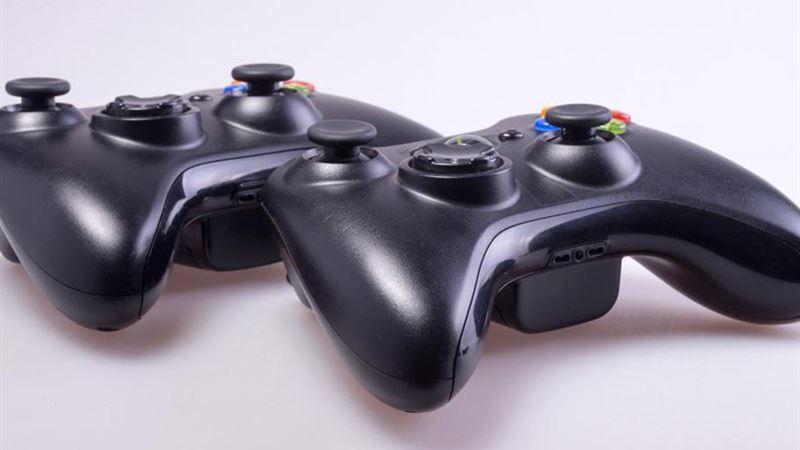
When venturing into the world of gaming, one of the most practical choices is buying used gaming consoles, which can save you a significant amount of money while still providing excellent entertainment. Whether you're a casual gamer or a dedicated enthusiast, understanding the avenues available for purchasing and selling used game systems is crucial. This comprehensive guide aims to walk you through the steps to find quality pre-owned consoles, the best places to buy from, and strategies for selling your old gaming devices profitably.
Firstly, established retail stores remain a popular destination for purchasing used gaming consoles. Stores such as Gamestop, Best Buy, and specialized gaming shops like Play N Trade offer a curated selection of pre-owned systems. When visiting these stores, you can directly inspect the consoles for wear and tear, test their functionality, and receive professional advice from staff. It’s advisable to inquire about the store’s refurbishment process and warranty policies to ensure you get a reliable product. The staff typically examine the consoles on the spot, allowing you to experience firsthand how the devices perform, including loading games, inspecting controllers, and assessing overall condition. This transparency helps you make an informed decision, reducing the risk of purchasing a faulty or worn-out device. Additionally, many stores offer trade-in options or discounts if you’re swapping an old console for a newer model, which can be advantageous if you're looking to upgrade.
In today’s digital age, online marketplaces have become equally, if not more, popular. Platforms like Amazon, GameFly.com, BestBuy.com, and eBay provide extensive listings of used gaming consoles. These platforms enable you to compare prices across multiple sellers, read customer reviews, and evaluate seller ratings. When shopping online, it’s essential to scrutinize product descriptions carefully—look for detailed images, specifications, and return policies. Most online retailers provide a search filter that allows you to select the desired console model, storage capacity, and condition, making it easier to find exactly what you need. When making a purchase, opt for sellers who offer secure payment methods and warranty or return options, safeguarding your investment. The convenience of online shopping also allows you to buy from sellers located in different regions without the need to visit physical stores, providing a broader selection.
Payment transactions are typically completed online, with prompt delivery to your doorstep. Upon receipt, it’s wise to test the console thoroughly to confirm it matches the seller’s description. If any defects or issues are discovered, you should contact customer support immediately to resolve the matter, either through refunds or exchanges. Remember, buying from reputable sellers with positive feedback minimizes the chances of encountering scams or receiving faulty products.
Transitioning to selling your used gaming console can be equally straightforward and profitable if approached wisely. When you’re ready to upgrade or simply wish to free up space, selling your pre-owned device makes sense. Many retail stores like GameStop and local electronics dealers are willing to purchase used gaming systems. Typically, they will examine your console to assess its condition—checking for physical damage, functionality, hardware integrity, and controller performance. Based on their evaluation, they will offer you a fair price, which you can choose to accept or negotiate. It’s a good practice to clean the device thoroughly and provide all necessary accessories, such as controllers, chargers, or original packaging, as these can enhance the value of your sale.
Online marketplaces offer another lucrative avenue for selling used gaming consoles. Websites like Facebook Marketplace, Craigslist, Swappa, and eBay allow individuals to list their devices directly to potential buyers. Creating an enticing listing involves providing detailed descriptions, high-quality images, and being transparent about the device’s condition and any defects. When setting a price, research the current market trends to be competitive yet realistic. Respond promptly to inquiries and be willing to negotiate. To achieve a quick sale, consider offering bundle deals, like selling a console with popular games or accessories. When completing such transactions, it’s important to meet in safe, public locations or opt for secure shipping options when necessary. Properly packaging the console and providing tracking details can facilitate smooth delivery and buyer satisfaction.
In conclusion, whether you’re buying or selling used game consoles, thorough research, careful inspection, and choosing reputable sellers or buyers can lead to successful transactions. The landscape of gaming hardware trading has evolved significantly, making it accessible and straightforward for consumers to make informed decisions. Embrace the options available, leverage both physical storefronts and online platforms, and ensure you understand the market dynamics to get the best value for your money or device. With proper knowledge and a strategic approach, you can enjoy quality gaming experiences and possibly save money while doing so.