
Comprehensive Guide to Gastrointestinal Stromal Tumors (GIST): Symptoms, Causes, and Modern Treatments
This comprehensive article explores gastrointestinal stromal tumors (GIST), detailing their cellular origins, symptoms, diagnostic methods, and the latest treatment options including surgery and targeted therapy. Designed to inform patients and caregivers, it emphasizes the importance of early detection and personalized treatment strategies for improving outcomes in GIST management.
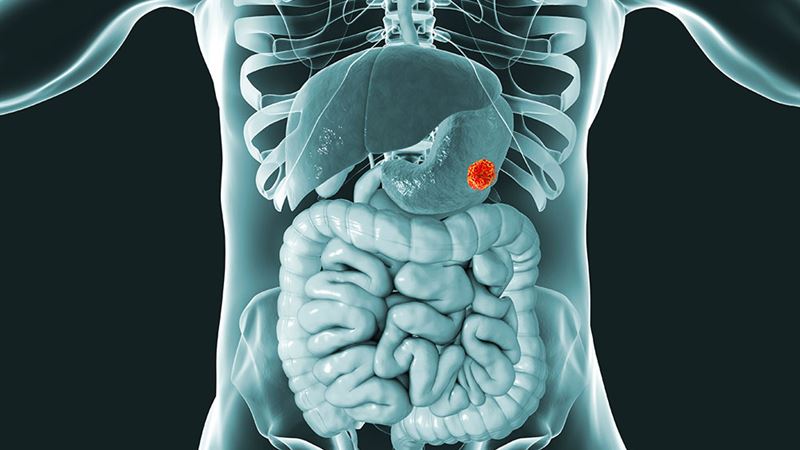
Gastrointestinal stromal tumors (GISTs) are a rare form of tumors that originate within the digestive tract. These neoplasms develop from specialized cells called interstitial cells of Cajal, which act as pacemakers to regulate muscle contractions in the gastrointestinal (GI) system. Although GISTs are uncommon, their recognition and treatment are critical as they can be malignant and significantly impact a patient’s health if left untreated.
Understanding the pathology of GISTs involves exploring their cellular origins, genetic mutations, and how these influence tumor behavior. These tumors are primarily characterized by mutations in the KIT gene or PDGFRA gene, which encode for receptor tyrosine kinases. These mutations lead to uncontrolled cell division and proliferation, resulting in tumor formation. The abnormal activation of these enzymes causes continuous growth signals that promote tumor development within the GI tract.
GISTs can develop anywhere along the gastrointestinal tract, but the most common locations include the stomach and small intestine. They can be asymptomatic initially, making early detection difficult. As tumors grow, symptoms such as abdominal pain, a palpable mass, gastrointestinal bleeding, nausea, and vomiting may appear. Recognizing these signs early prompts medical intervention, which is essential to improve outcomes.
Diagnosing GIST involves a combination of imaging techniques and biopsy procedures. Endoscopy, computed tomography (CT) scans, magnetic resonance imaging (MRI), and ultrasound aid in locating and assessing tumor size and spread. A definitive diagnosis is confirmed through biopsy and immunohistochemical testing, with markers like CD117 (c-KIT) and DOG1 being commonly expressed in GIST cells.
Once diagnosed, treatment strategies are tailored based on tumor size, location, extent of spread, and patient health. The primary goal is to remove the tumor completely while minimizing risks. Here is an in-depth look at the main treatment options available for GIST:
- Surgical Excision
Surgery remains the cornerstone of GIST treatment, especially for localized tumors. The procedure involves removing the tumor along with a margin of healthy tissue to ensure no cancerous cells are left behind. In cases where the tumor is confined to the stomach or intestine and has not spread to distant sites, surgical removal offers the best chance for a complete cure. However, if cancer has metastasized to lymph nodes or other organs, surgery alone may not suffice, and additional therapies are necessary.
- Adjuvant Therapies: Chemotherapy and Radiation
Unlike many other cancers, traditional chemotherapy and radiation therapy have limited effectiveness against GISTs. These treatments are generally used as adjuncts rather than primary options. Chemotherapy involves using drugs to eradicate residual cancer cells after surgery, aiming to prevent recurrence. Radiation therapy is less commonly employed but can be considered in specific scenarios involving localized tumor control. Overall, these approaches have shown variable success in managing GISTs, especially when the tumor is aggressive or recurrent.
- Targeted Molecular Therapy
The advent of targeted therapy revolutionized GIST management. These drugs specifically inhibit molecular pathways critical to tumor growth, particularly when surgery is not feasible or the disease has metastasized. Medications like imatinib (Gleevec), sunitinib, and regorafenib are designed to block aberrant tyrosine kinase activity caused by mutations in KIT or PDGFRA genes. Targeted therapies have demonstrated significant improvements in controlling disease progression, reducing tumor size, and prolonging survival. Patients with unresectable or metastatic GISTs often benefit most from these treatments, which are now standard care in advanced cases.
In summary, managing GIST involves a multi-disciplinary approach, combining surgical techniques, pharmacological interventions, and personalized medicine. Early diagnosis and tailored treatment plans are vital for enhancing patient prognosis and quality of life. Advances in genetic research continue to inform the development of more effective targeted therapies, offering hope for better outcomes in this challenging disease.