
Essential Guidelines for Purchasing Cost-Effective Cooktops
Discover essential strategies for choosing budget-friendly cooktops that suit your cooking style and kitchen setup. Learn how to assess features, space, and infrastructure needs to make a smart purchase. Maximize discounts without compromising on quality by following expert tips tailored for cost-effective buying decisions. Whether upgrading or remodeling, these guidelines help you select the best affordable cooktop to enhance your culinary experience while staying within budget.
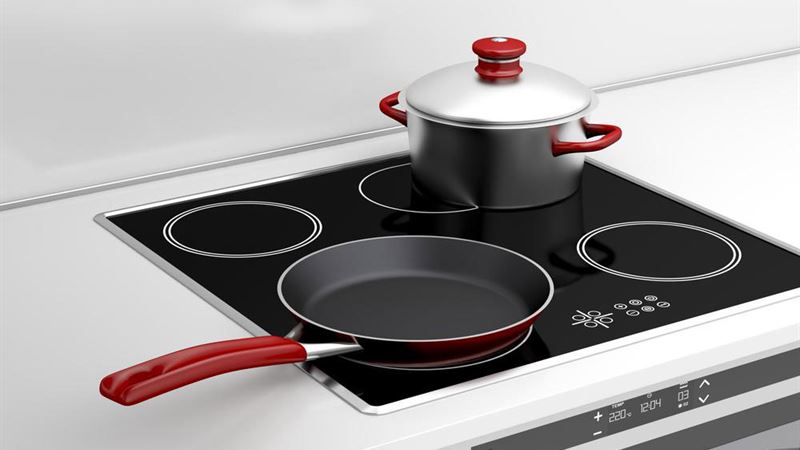
In today's market, many retailers promote affordable cooktop options throughout the year by offering strategic discounts on various models in rotation. Most budget-friendly cooktops are either electric or gas-powered, and selecting the right type depends heavily on your cooking habits and preferences. Be aware that even the most economical models with a good range of features typically start at around $250. During clearance sales, you can find attractive deals on cooktops with significant discounts, enticing buyers to purchase. However, not every deal is genuinely beneficial; some vendors are merely clearing out older stock to make room for new arrivals. Therefore, it’s crucial to consider certain key factors before making a purchase to ensure you get the best value for your money.
- Cooking Techniques and Preferences Understanding your usual cooking routines is vital. Whether you cook frequently with delicate sauces, high-heat stir-fries, or slow-cooked dishes, your choice of cooktop should complement these styles. For instance, electric cooktops often provide consistent heat ideal for simmering, while gas models allow quick temperature adjustments necessary for certain recipes. Think about your culinary needs and select features such as burner power, control knobs, and safety features accordingly. This targeted approach ensures you maximize the utility of discounts and deals on the most suitable model.
- Kitchen Space and Layout Evaluate the available physical space in your kitchen. Is it designed solely to accommodate a standalone cooktop, or do you have room for additional appliances like wall ovens? If your kitchen already includes a built-in oven, adding a separate cooktop might be redundant or unnecessary, potentially leading to unnecessary expenses. Conversely, if you’re designing a new kitchen or remodeling, consider the space for both appliances to ensure seamless integration. Proper measurement and planning help you select a cooktop that fits perfectly, avoiding future hassle and cost overruns.
- Financial Plan and Budgeting Budget considerations are paramount. Different consumers have varying spending preferences; what is affordable for one person may be expensive for another. Therefore, establish a clear budget before beginning your search. Avoid being swayed solely by features that seem attractive but may not serve your primary needs. Focus instead on models that align with your price range and offer essential functionalities, thereby ensuring you make a cost-efficient purchase without sacrificing quality or usability.
- Infrastructure Compatibility and Installation Examine your kitchen's existing setup. Gas cooktops require a reliable gas pipeline, which may not be present in all homes. Electric cooktops, on the other hand, need suitable electrical outlets and wiring. Overlooking these details can lead to additional installation costs or project delays. Ideally, during the initial kitchen construction or renovation, plan to install both gas and electrical lines, so your options remain flexible. Careful evaluation of kitchen fixtures and fittings ensures compatibility and simplifies the installation process, saving you money and effort in the long run.