
Comprehensive Guide: Top Strategies to Excel as a Compassionate Cancer Caregiver
Discover essential strategies to become a more effective and compassionate cancer caregiver. This comprehensive guide covers emotional support, task management, problem-solving, and communication techniques to help caregivers provide exceptional care. Learn how to handle challenges with confidence, foster trust, and improve the quality of life for patients battling cancer. Equip yourself with practical tips, emotional resilience, and expert advice to support your loved ones through their cancer treatment and recovery journey. Perfect for family members, friends, and professional caregivers alike.
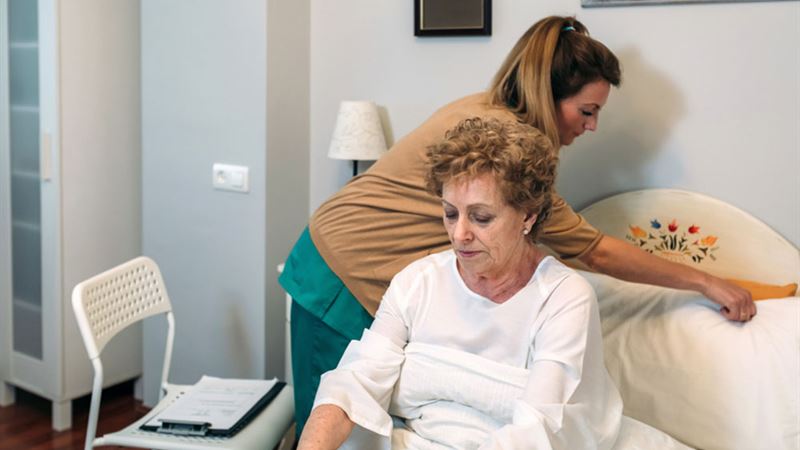
Cancer caregiving encompasses more than just administering medication or coordinating appointments; it involves emotional support, meticulous management of daily tasks, problem-solving skills, and open communication channels. As the disease trajectory can be long and unpredictable, preparing psychologically and practically is essential to providing quality care that respects the patient’s dignity and autonomy.
- Providing Emotional Support and Building Trust: The uncertainties of cancer treatment often lead to emotional distress for patients. A caregiver’s empathetic presence can serve as a pillar of strength, offering reassurance and understanding. It’s critical to foster an environment where the patient feels safe expressing fears, frustrations, and hopes. Active listening, patience, and validation of their feelings can dramatically improve their mental health and overall outlook. Maintaining a positive yet realistic perspective helps balance hope with practical acceptance of the challenges ahead.
- Organizing and Managing Daily Tasks Efficiently: Proper organization of daily responsibilities can reduce stress and prevent overlooked duties. Crafting a comprehensive schedule that includes medication timings, meal preparations, hygiene routines, and physical activity is vital. Utilizing planners, reminder apps, or checklists ensures timely execution of these tasks. Additionally, managing side effects of treatments, monitoring symptoms, and keeping detailed medical records are crucial aspects of effective caregiving. Regular communication with healthcare providers about the patient’s condition and response to treatment can enhance care quality and facilitate quick adjustments when necessary.
- Developing Problem-Solving Capabilities: Challenges are an inherent part of cancer caregiving. From managing unexpected medical complications to handling emotional outbursts, a caregiver must think on their feet. Preparing for emergencies by creating contingency plans, such as contact lists, emergency protocols, and transportation arrangements, ensures swift responses. Recognizing early signs of complications allows for timely intervention, potentially saving lives. Seeking advice from healthcare professionals and connecting with local support groups can strengthen your problem-solving toolkit and reduce feelings of helplessness during tough times.
- Effective Communication Skills: Clear, compassionate communication builds trust and promotes shared decision-making. Regularly updating the patient about their health status and treatment options helps them feel involved and respected. Encouraging open dialogue allows patients to express concerns and preferences, leading to more personalized care. Practicing active listening, maintaining eye contact, and using simple language foster understanding. Additionally, establishing a communication routine that includes family members and medical staff ensures everyone is aligned regarding care plans.
In summary, mastering these caregiving strategies can significantly improve the quality of life for both the patient and the caregiver. Continuous learning, patience, and empathy are fundamental components of effective cancer caregiving. Remember to seek support when needed, whether through professional counseling, caregiver support groups, or trusted friends. By staying informed and emotionally resilient, caregivers can navigate the complexities of cancer treatment with confidence and compassion, ultimately making a meaningful difference in their loved one’s journey towards recovery.