
Comprehensive Guide to Foods That Exacerbate Acid Reflux and How to Manage Your Diet
This comprehensive guide explores foods that trigger acid reflux and offers practical tips for dietary management. Learn which foods to avoid, healthier alternatives, and lifestyle changes to control GERD symptoms effectively. Tailored advice from healthcare professionals can help reduce discomfort and improve digestive health, making daily life more comfortable for those affected by acid reflux. Embrace these nutritional strategies for better reflux control and enhanced well-being.
Experiencing a burning sensation in the stomach after meals can be uncomfortable and disruptive. Symptoms such as bloating, frequent burping, sore throat, and chest discomfort often accompany acid reflux or GERD (Gastroesophageal Reflux Disease). Recognizing which foods trigger these symptoms is crucial for effective management. Since triggers vary from person to person, maintaining a detailed food diary can help identify specific culprits. This personalized tracking allows individuals to adapt their diet and reduce episodes of acid reflux significantly. Understanding how different food categories impact GERD enables more informed dietary choices for long-term relief.
Managing acid reflux involves careful attention to eating habits and choices. Patients are advised to monitor what they eat, how often they eat, and any symptoms that occur post-meal. Keeping a food and symptom diary for at least a week helps pinpoint problematic foods. Once identified, these foods should be minimized or eliminated from daily intake. Consulting healthcare professionals for tailored dietary advice can further enhance symptom control and promote overall digestive health.
Below is a comprehensive list of foods to avoid for those suffering from acid reflux, along with explanations of how they affect the digestive system:
- Spicy foods: Spicy dishes, often rich in salts and spices, can irritate the stomach lining and relax the lower esophageal sphincter (LES), allowing stomach acid to escape into the esophagus, which causes heartburn. Reducing or avoiding spicy foods can significantly alleviate discomfort and help control symptoms.
- Mint and peppermint: Although mint candies and teas might seem soothing, their aroma and properties can relax the LES, enabling acid to rise up. For natural alternatives, ginger can be an effective remedy as it is known to help reduce nausea and soothe the stomach without triggering reflux.
- Tomatoes: Tomatoes are naturally high in acidity, whether fresh or canned. Tomato-based products like sauce, ketchup, and salsa can trigger heartburn by increasing stomach acid production and irritating the esophageal lining.
- Citrus fruits: Oranges, grapefruits, lemons, and limes contain citric acid, which can intensify acid reflux symptoms, especially when consumed on an empty stomach. However, low-acid fruits like bananas, melons, apples, and berries are gentle on the stomach and safer for GERD patients.
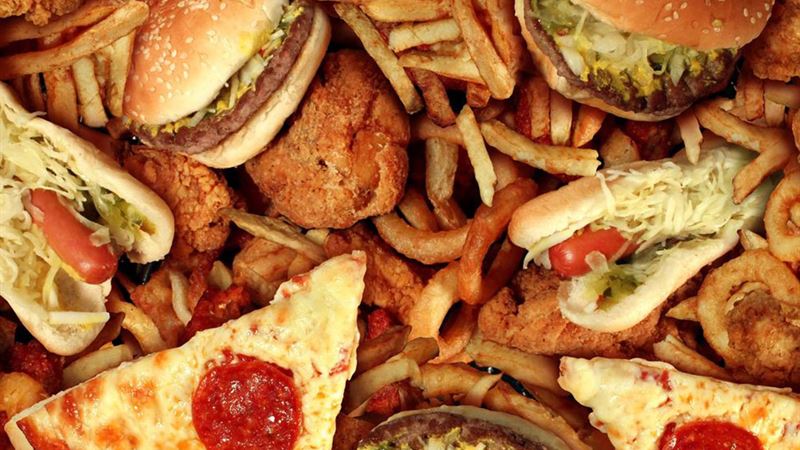
- Fried and greasy foods: Fried items are often cooked in oils rich in fats, making them slow to digest and increasing the likelihood of reflux. Opting for grilled, baked, or steamed foods reduces fat intake and minimizes reflux episodes.
- Red meats and high-fat cuts of beef: Cuts such as brisket or ribs contain high fat content, which delays stomach emptying and promotes acid reflux. Selecting leaner options like sirloin, tenderloin, or poultry can help manage symptoms while still enjoying protein-rich meals.
- Caffeine-containing beverages: Coffee, tea, and certain soft drinks contain caffeine, which relaxes the LES and can lead to acid reflux. While moderate coffee consumption in the morning might be acceptable, excessive intake should be avoided. Decaffeinated options are often better tolerated.
- Sodas and carbonated drinks: The carbonation introduces gas into the stomach, increasing pressure and promoting reflux. Additionally, many sodas contain phosphoric or citric acids that worsen acidity. Diluting soda with water or avoiding it altogether can reduce symptom flare-ups.
- Alcohol: Beer, wine, and spirits relax the LES and stimulate acid production. Consuming alcohol alongside high-fat foods exacerbates reflux. Limiting or abstaining from alcohol can significantly improve GERD control.
- Chocolate: Despite being a pleasurable treat, chocolate contains caffeine and fats that can slow digestion and relax the LES, leading to increased reflux symptoms. Limiting chocolate intake is recommended for sensitive individuals.
- High-fat dairy products: Cheeses like cheddar, gouda, and cream cheese are rich in fats which can delay gastric emptying. Choosing low-fat or fat-free dairy options, such as cottage cheese or ricotta, can help manage symptoms.
In addition to avoiding these foods, adopting healthy eating habits—such as eating smaller, more frequent meals, avoiding eating late at night, and maintaining a healthy weight—can greatly reduce acid reflux episodes. Remember to stay hydrated with water and avoid lying down immediately after meals. Always consult with healthcare professionals for personalized advice and treatment plans, especially if symptoms persist or worsen despite dietary changes. By making mindful decisions about your diet and lifestyle, you can effectively manage acid reflux and enjoy a more comfortable, symptom-free life.