
Essential Dietary Restrictions for Managing Bipolar Disorder Symptoms
This comprehensive guide explores the essential dietary restrictions necessary for individuals with bipolar disorder. It highlights foods to avoid such as caffeine, high-fat foods, tyramine-rich items, alcohol, grapefruit, and excess sugar. Proper nutrition is vital for mood stability, medication effectiveness, and overall health. By understanding personal triggers and making informed dietary choices, those with bipolar disorder can better manage their symptoms and experience a higher quality of life. Consultation with healthcare providers is recommended for tailored advice.
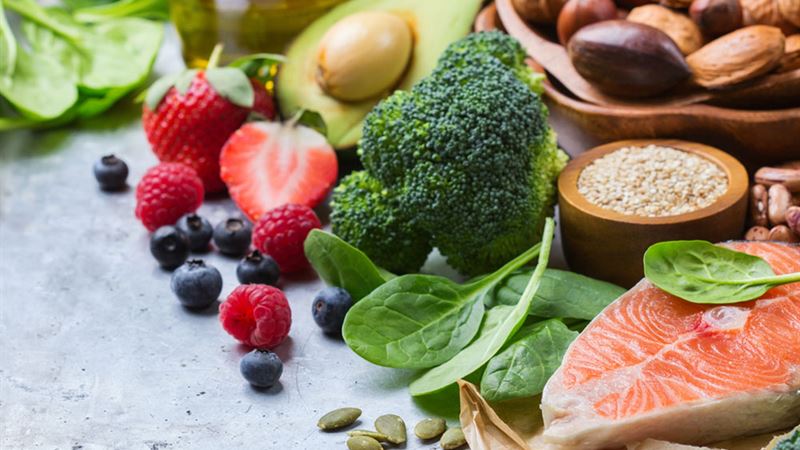
Individuals living with bipolar disorder often find that certain foods and beverages can trigger or exacerbate their symptoms. Recognizing and avoiding these foods is a crucial part of managing the condition effectively. Maintaining a detailed food journal can be immensely helpful in identifying personal triggers, allowing individuals to make informed dietary choices. This tailored approach aids in stabilizing mood swings and improving overall quality of life. Dietary management should be complemented with medication and therapy for comprehensive care.
- Caffeine Consumption
Caffeine, found in coffee, tea, energy drinks, and certain sodas, can significantly impact those with bipolar disorder. Excessive intake may disrupt sleep patterns, leading to insomnia or restlessness, which can trigger mood episodes. Additionally, caffeine can irritate the gastrointestinal system, causing discomfort and increasing acidity. To promote better mental health and physical well-being, it is advisable for individuals with bipolar disorder to limit or completely avoid caffeine intake. Opting for herbal teas or water can support hydration and stability.
- Foods Rich in Saturated and Trans Fats
A diet high in unhealthy fats can have detrimental effects on those managing bipolar disorder. Such foods, including fried items, processed snacks, and fast foods, are not only detrimental to heart health but may also interfere with the efficacy of medications. While fats are essential in moderation, excessive consumption can lead to weight gain, elevation in cholesterol levels, and increased risk of cardiovascular disease—all factors that can negatively influence mental health stability. Choosing healthier fat sources like nuts, seeds, avocados, and olive oil is preferable.
- Foods Containing Tyramine
Tyramine-rich foods pose a significant concern for individuals prescribed Monoamine Oxidase Inhibitors (MAOIs). Foods such as aged cheeses, fermented products, certain wines like Chianti, soy sauce, and cured meats contain high levels of tyramine, which can precipitate hypertensive crises or severe blood pressure spikes. Patients on medications like Nardil or Parnate must strictly avoid these items to prevent adverse reactions. Reading labels and consulting a healthcare provider for dietary guidance is essential.
- Alcohol Abstinence
Alcohol can have a profound impact on mood regulation, often worsening symptoms of depression or mania in bipolar disorder. It can also impair judgment, interfere with medications, and increase the likelihood of substance abuse. Abstaining from alcohol is crucial for maintaining mood stability and avoiding potential health complications. If cravings are strong, support groups and counseling can provide assistance in managing alcohol dependency.
- Grapefruit and Citrus Fruits
Grapefruit and its juice contain compounds that can interact dangerously with certain psychiatric medications, leading to increased side effects like drowsiness, dizziness, or toxic reactions. Patients on bipolar medication should consult their healthcare providers to determine if citrus fruits are safe to include in their diet. Alternative fruits like berries, apples, or pears can safely be incorporated into a balanced diet.
- Limiting Sugar Intake
Excessive consumption of sugar and sugary products can contribute to fluctuations in blood sugar levels, mood instability, and weight gain. For individuals with bipolar disorder, maintaining stable energy levels is vital for mood regulation. Artificial sweeteners, while reducing sugar intake, may also trigger symptoms in some people. It's advisable to choose natural sweeteners like honey or stevia and to consume desserts and processed foods sparingly.
- Salt Moderation
High salt intake can influence blood pressure and lithium levels in the blood, an essential medication for bipolar disorder. Excess salt can also contribute to fluid retention and mood swings. Monitoring salt intake by reducing processed and preserved foods can support better health and medication efficacy. Incorporating herbs and spices to flavor foods instead of salt is a healthier alternative.
Overall, diet plays a critical role in managing bipolar disorder. Avoiding foods and beverages that may trigger mood episodes, interfere with medications, or harm physical health can significantly improve symptom management and quality of life. Combining dietary strategies with personalized medical treatment offers a comprehensive approach to mental health care.