
Nutritional Strategies to Alleviate Migraines and Headache Discomfort
Discover natural dietary methods to relieve migraine and headache symptoms through potassium-rich, hydrating, and magnesium-containing foods. Incorporate baked potatoes, watermelon, caffeine in moderation, and nuts like almonds into your diet to support hydration, electrolyte balance, and vascular health, reducing migraine frequency and severity naturally and effectively.
Experiencing frequent migraines and headaches can significantly diminish your quality of life. While medication can provide relief, incorporating specific foods into your daily diet may offer natural and effective support in managing symptoms. Understanding which nutritional choices can reduce headache frequency and intensity allows you to take proactive steps toward better health. This comprehensive guide explores various foods known for their headache-relieving properties and offers insight into dietary habits that can contribute to migraine prevention and relief.
One of the most effective dietary components for headache management is potassium-rich foods. Baked potatoes, for example, are not only delicious but also packed with potassium, an essential mineral that helps regulate electrolyte balance and supports hydration. This mineral is especially beneficial when migraines are triggered by dehydration or electrolyte imbalances, which are common after excessive alcohol consumption. The high potassium content can aid in reducing hangover-related headaches and promote overall hydration, vital in preventing migraine onset.
- **Baked Potato**
Often served as a side dish, baked potatoes contain approximately 721 mg of potassium per serving, surpassing even bananas, which contain around 467 mg. Consuming baked potatoes regularly can help replenish electrolytes lost during dehydration, thus mitigating headache symptoms associated with electrolyte imbalance. Furthermore, potassium helps relax blood vessel walls, reducing the intensity of migraines.
Another powerful food to consider is watermelon. Dehydration is a primary trigger for migraines, making hydrating foods extremely beneficial. Watermelon, with its high water content, is an excellent natural remedy for hydration and migraine relief. Beyond hydration, watermelon also provides magnesium, an essential mineral involved in neuromuscular function and nerve signaling. Adequate magnesium levels are linked to a lower frequency of migraines. Including magnesium-rich foods like watermelon can therefore serve as a preventive measure against headache episodes.
- **Watermelon**
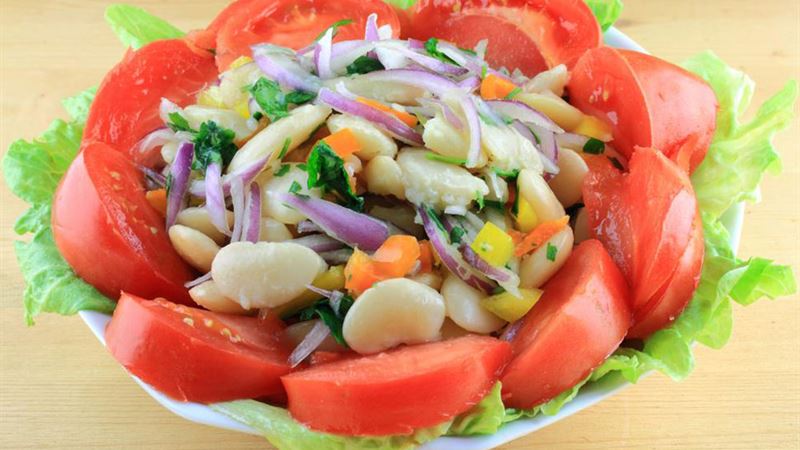
This juicy fruit not only satisfies the palate but also supplies significant amounts of water and magnesium. In addition to watermelon, other water-dense foods such as berries, cucumber, melon, tomatoes, lettuce, oatmeal, and soups should be incorporated into your diet. These foods help maintain hydration levels and supply key minerals, reducing the likelihood of dehydration-induced migraines.
In situations where a quick remedy is needed, caffeine can be an effective option. Coffee contains caffeine, a natural vasoconstrictor, which temporarily narrows blood vessels and alleviates headache pain. A moderate cup of coffee can, therefore, help diminish migraine symptoms by reducing blood vessel dilation that often causes throbbing headaches. It is important to note, however, that excessive caffeine intake can have adverse effects and may trigger migraines in some individuals. Therefore, consuming coffee in moderation is key to harnessing its benefits without exacerbating symptoms.
- **Coffee**
A well-timed cup of coffee can provide relief from migraine pain, thanks to caffeine’s vasoconstrictive properties. Be mindful of your caffeine consumption, as overindulgence may lead to rebound headaches or increased migraine frequency.
Lastly, magnesium-rich foods play a crucial role in headache prevention. Almonds, in particular, are an excellent source of magnesium, which helps relax blood vessel walls and reduce nerve excitability. Maintaining sufficient magnesium levels can prevent the constriction of blood vessels that often leads to migraine pain. Incorporate nuts like almonds, cashews, and seeds, as well as other magnesium-rich foods such as bananas, dried apricots, avocados, brown rice, legumes, and whole grains into your daily nutrition regimen. Doing so can ease headache symptoms and support overall neurological health.
- **Almonds and Other Magnesium Sources**
Including almonds, dried apricots, avocados, brown rice, seeds, and legumes increases your magnesium intake, promoting vascular relaxation and reducing migraine severity. These foods also contribute to overall wellness by supporting muscle and nerve functions essential in headache prevention.