
Comprehensive Guide to Foods that Alleviate Heartburn Symptoms
Learn about a comprehensive array of foods that can help alleviate heartburn symptoms. This guide explores beneficial diet choices, lifestyle strategies, and foods to avoid, providing practical advice for managing GERD naturally. Incorporate these dietary tips to reduce discomfort and improve digestive health effectively.
Heartburn manifests through symptoms such as a burning sensation in the chest, a bitter or acidic taste in the mouth, and discomfort or pain that often worsens after eating. Additional signs can include hiccups, sore throat, dry cough, vomiting, belching, difficulty swallowing, a sensation of a lump in the throat, and trouble sleeping. These symptoms, if persistent, can significantly impact daily life, but fortunately, dietary strategies can provide relief.
Dietary Strategies for Heartburn Relief
Consuming the right foods can substantially lessen the severity and frequency of heartburn episodes. An appropriate diet tailored for acid reflux needs to emphasize foods that are easy to digest, soothing to the gastrointestinal tract, and low in triggers such as high fat, citrus, and spicy ingredients. Here’s an extensive overview of foods that have been shown to alleviate symptoms and promote gut health:
- Oats and Whole Grains
- Leafy Vegetables and Legumes
- Root and Starchy Vegetables
- Ginger - Nature's Anti-Inflammatory
- Fruits with Alkaline Properties
- Probiotic-Rich Foods
- Healthy Fats and Nuts
- Hydrating Soups and Broths
- Lean Proteins
- Citrus fruits like oranges, lemons, and grapefruits
- Tomatoes and tomato-based products
- Fried foods and high-fat snacks
- Onions, especially raw
- Spicy dishes containing chili or hot peppers
- Carbonated drinks and sodas
- Excessive caffeine intake from tea, coffee, or energy drinks
- Alcoholic beverages
- Chocolate and sweet treats
- Peppermint or spearmint
- Processed foods like potato chips and fast foods
- Eating smaller, more frequent meals instead of large portions
- Avoiding lying down immediately after eating; waiting at least 2-3 hours
- Maintaining a healthy weight through regular exercise and balanced nutrition
- Wearing loose-fitting clothing to avoid abdominal pressure
- Elevating the head of your bed by 6-8 inches to prevent acid from traveling back up the esophagus during sleep
- Reducing stress through relaxation techniques such as yoga, meditation, or deep breathing exercises
- Limiting alcohol and quitting smoking, both of which can weaken the esophageal sphincter
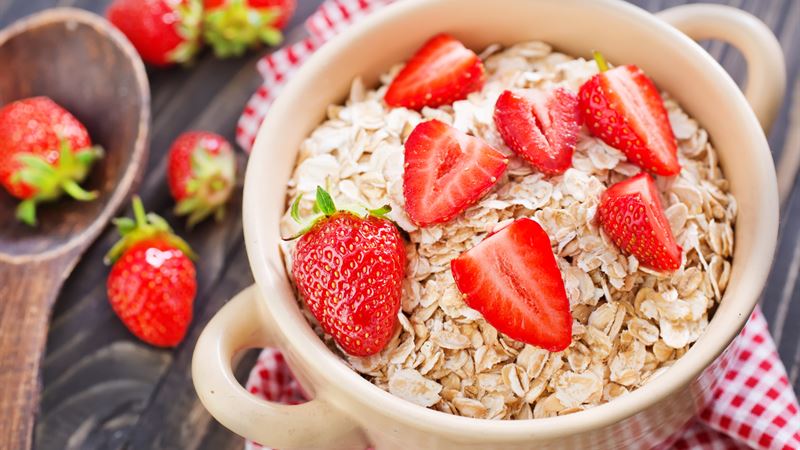
Oatmeal is a powerhouse breakfast choice because it is gentle on the stomach and rich in dietary fiber. Whole grains like brown rice, barley, millet, and whole wheat bread contain unrefined carbohydrates that help regulate digestion and reduce acid reflux risk. Incorporating these grains into daily meals creates a buffer against acidity and supports healthy gut flora.
Low-fat, nutrient-dense vegetables such as spinach, kale, parsley, and fennel are excellent options for those with acid reflux. Legumes like beans and lentils are high in fiber and provide essential vitamins without triggering symptoms. These foods help lower cholesterol, reduce inflammation, and maintain optimal digestive function.
Potatoes, sweet potatoes, cucumbers, and celery are hydrating and mild, making them ideal for soothing the esophagus. These foods contain minimal fat and acid, thus helping prevent heartburn while supplying vital nutrients.
Ginger possesses powerful anti-inflammatory properties that can help relax the esophageal muscles and reduce gastrointestinal discomfort. Adding freshly grated ginger to meals or sipping ginger tea serves as a natural remedy for heartburn and nausea.
Fruits like bananas, apples, melons, and pears tend to have less acidity and can neutralize stomach acid. Bananas, in particular, are rich in soluble fiber (pectin), which helps normalize digestion and reduce reflux symptoms.
Yogurt, kefir, and other fermented dairy products contain probiotics—beneficial microbes that promote gut flora balance. Consuming these can soothe the irritated esophagus by coating its lining and improving overall digestive health.
Including sources of unsaturated fats like olive oil, walnuts, flaxseeds, and sunflower seeds in your diet provides essential fatty acids that do not trigger reflux. These fats also help reduce inflammation and improve nutrient absorption.
Clear soups and herbal teas made with non-citrus ingredients are gentle on the stomach and can help dilute stomach acid. Consuming water-rich foods and beverages supports hydration and digestion, reducing reflux episodes.
Opt for lean meats such as chicken, turkey, fish, and shellfish. Grilling, baking, or steaming these protein sources avoids added fats that can worsen reflux. Egg whites are also a low-acid, high-protein option that is gentle on the stomach.
Foods that Trigger Heartburn
While certain foods ease symptoms, others can aggravate acid reflux. Identifying and limiting or avoiding these triggers is vital for effective management:
Lifestyle Modifications to Complement Dietary Changes
In addition to mindful eating, certain lifestyle modifications can reduce the frequency and severity of heartburn:
While dietary and lifestyle changes can significantly improve symptoms, it is crucial to consult a healthcare professional for persistent or severe cases. Medical treatments, including medications or surgical options, might be necessary depending on the severity of GERD.
In conclusion, understanding the impact of different foods and lifestyle choices on acid reflux allows individuals to craft effective strategies for relief. Adopting a balanced diet that emphasizes soothing, low-acid, and nutrient-rich foods while avoiding triggers can greatly enhance quality of life and prevent complications associated with chronic reflux.