
Essential Guide to Choosing and Maintaining Outdoor Refrigerators
Discover the essential aspects of outdoor refrigerators, including weatherproofing, durability, design options, and maintenance tips. Learn how to choose the right model for your outdoor space to ensure safety and longevity. This in-depth guide helps you make informed decisions when upgrading your outdoor kitchen with the perfect refrigerator, enabling seamless entertainment and convenience year-round.
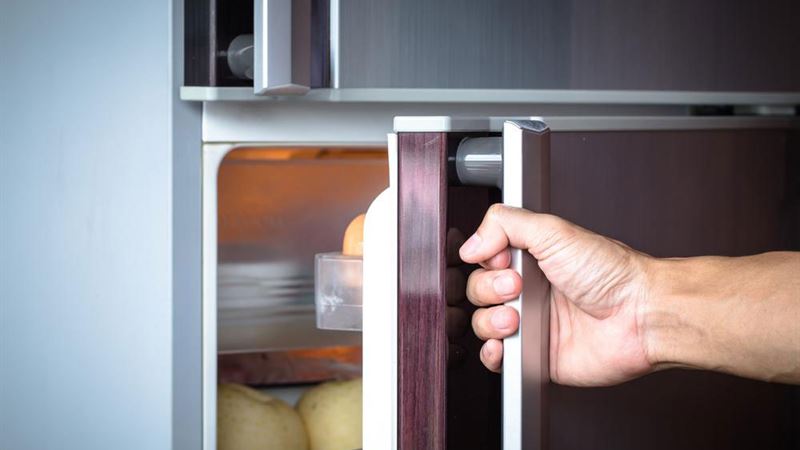
Understanding the Importance of Weatherproofing in Outdoor Refrigerators
When selecting an outdoor refrigerator, weatherproofing stands out as a critical feature. Unlike standard indoor models, outdoor units must withstand a wide range of environmental conditions, including rain, snow, dust, and temperature fluctuations. These units are specifically engineered with robust, waterproof electrical components to ensure safety and longevity.
Weatherproofing involves sealing electrical parts and joints to prevent water ingress, which could lead to short circuits or electric shocks. Manufacturers often certify outdoor refrigerators with standards such as UL (Underwriters Laboratory), which ensures compliance with safety protocols. A UL-certified appliance guarantees that it has been tested for safety under various conditions, providing peace of mind to users.
Durability and Material Composition
Outdoor refrigerators are usually constructed with stainless steel exteriors due to their rust-resistant properties. This material is durable and can withstand exposure to the elements. However, prolonged exposure to extreme weather conditions like intense cold, scorching heat, or high humidity may affect the surface over time. To enhance longevity, some models feature protective coatings or finishes designed to resist corrosion even further.
Design Styles and Installation Options
Two primary styles of outdoor refrigerators are available: freestanding and built-in. Freestanding units are portable and can be easily moved around or relocated as needed. They are ideal for smaller spaces or situations where flexibility is essential. Built-in models, on the other hand, are integrated into your outdoor kitchen or cabinetry, offering a seamless look that complements your design aesthetic. When opting for built-in units, proper ventilation is crucial to prevent overheating and ensure efficient operation.
For limited spaces, compact models that can fit under counters are advantageous. These models typically feature ventilation grills to facilitate airflow. Additionally, portable freestanding units can be placed in garages or basements during harsh weather conditions, providing extra protection and convenience.
Choosing the Right Location and Ventilation
Placement is vital for optimal performance and longevity. Outdoor refrigerators should be situated in well-ventilated areas, ideally shaded to prevent overheating during hot days. Avoid placing them directly in the sun or in enclosed spaces with poor airflow. Adequate ventilation not only helps maintain a consistent internal temperature but also reduces energy consumption and prolongs the lifespan of the unit.
Maintenance and Safety Tips
Proper maintenance is key to keeping your outdoor refrigerator in excellent condition. Regularly clean the exterior surface with mild soap and water to remove dust and debris. Check door seals and gaskets periodically to ensure they are intact and functioning properly. For stainless steel surfaces, use suitable cleaning agents to prevent corrosion and maintain shine.
Since outdoor fridges are exposed to varying weather conditions, cover or tarp the unit during severe weather events to reduce potential damage. Always follow the manufacturer's guidelines for winterization if the fridge is situated in an area prone to freezing temperatures. Additionally, ensure electrical connections are safe and protected from water infiltration.
Additional Features and Accessories
Many outdoor refrigerators now come equipped with additional features such as LED lighting, digital temperature controls, and interior shelving for better organization. Some models include locking doors for security, particularly in public or semi-public spaces. Accessories like built-in ice makers, wine coolers, or integrated wine racks can further enhance your outdoor entertaining setup.
Final Thoughts: Investing in Quality and Safety
When shopping for an outdoor refrigerator, prioritize quality, safety, and suitability for your specific environment. Always opt for UL-certified models to ensure electrical safety and compliance with standards. Proper placement, maintenance, and protective measures will extend the life of your unit and guarantee a safe, functional outdoor cooking and entertaining space for years to come.