
Comprehensive Guide to Obtaining Complimentary Cell Phones for Senior Citizens
Discover how seniors can access free cell phones through government assistance programs. This comprehensive guide covers eligibility criteria, application steps, and essential features like large buttons, emergency speed dials, and simplicity in design. Learn how to choose the right device to ensure safety, ease of use, and reliable communication in emergencies. Benefits include free minutes, voicemails, caller ID, and optional top-ups—all designed to keep seniors connected and protected without complicated contracts or hidden charges. Empower your loved ones with accessible technology today.
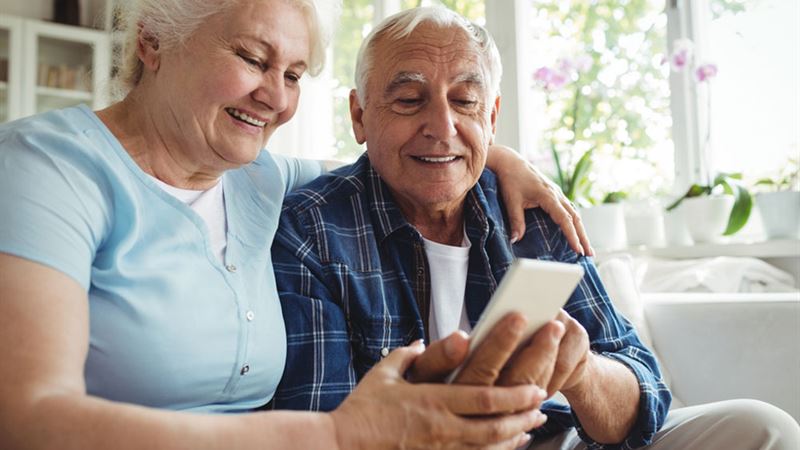
- Includes 250 minutes of free calling
- Provides 250 complimentary text messages
- No contractual obligations required
- Free from hidden fees or extra charges
- Optional top-up plans for additional talk time and messages at minimal cost
If you are a senior citizen seeking an affordable and reliable way to stay connected, there are programs available that provide free cell phones tailored for your needs. These programs are designed to ensure seniors have accessible communication tools without the burden of costs or complicated contracts. To qualify, you typically need to be enrolled in specific government assistance programs or qualify based on income level. Here’s a detailed look at how you can obtain your free cell phone and what features to look for to maximize usability and safety.
Eligibility criteria for free senior cell phones primarily depend on participation in federal or state assistance programs. These programs are aimed at supporting low-income individuals, seniors, and vulnerable populations. The key programs include Medicaid, Supplemental Nutrition Assistance Program (SNAP), Supplemental Security Income (SSI), Temporary Assistance for Needy Families (TANF), and various housing assistance initiatives. By qualifying under any of these programs, seniors become eligible to receive free or subsidized mobile devices that facilitate emergency communication and social interaction.
Once eligibility has been confirmed, seniors can apply through designated online portals. The process involves filling out application forms available on government or affiliated agency websites. Applicants are often required to provide proof of their participation in qualifying programs, such as identification, benefit letters, or documentation confirming income levels. After submitting the necessary documentation and completing verification, recipients will receive their free device securely by mail or in designated collection points.
It's important to understand that these free phones are specifically designed with simplicity and ease of use in mind, rather than incorporating the latest smartphone functionalities. These devices focus on emergency contact features, basic communication, and user-friendly interfaces suitable for seniors, who often prioritize safety over social media or internet browsing. The devices typically include features like large buttons, backlit screens, loud volume settings, and straightforward navigation.
When choosing a device, opt for models with prominent backlighting and oversized keys to accommodate vision impairments and dexterity challenges commonly experienced by older adults. Emergency buttons pre-programmed with important contacts such as family members, healthcare providers, emergency services, and local authorities can be lifesavers. It's recommended to program quick-dial options for emergency numbers like fire, police, ambulance, and family members so seniors can reach help rapidly in urgent situations.
Additional tips include opting for devices with voicemail, caller ID, and call waiting features to ensure seamless communication. The provided free minutes may be topped up at minimal costs to extend talk time if needed. Although data services are typically optional, they can be added if seniors wish to access additional resources or information, but they are not essential for emergency communication or basic calls.
In summary, obtaining a free cell phone for seniors through government programs offers a highly affordable, simple, and effective solution for staying connected. By understanding the eligibility requirements, application procedures, and key features to consider, seniors can enjoy reliable communication tools that enhance safety and social engagement. These devices, tailored for ease of use, serve as essential lifelines in emergency situations, providing peace of mind for both seniors and their loved ones.
Assistive features such as large displays, loud speakers, and quick-access emergency buttons ensure seniors can confidently handle their devices. Remember, the primary purpose of these phones is to facilitate emergency calls and basic communication, not leisure or social media activities. For additional convenience, consider accessories like protective cases, charging stations, and amplification devices to improve usability further. With these resources, seniors can experience greater independence, safety, and connectivity in their daily lives, making technology accessible and beneficial for all ages.