
Essential Guide to Selecting Perfect Furniture for Your Office Environment
Discover comprehensive strategies for choosing office furniture that combines style, functionality, and comfort. This guide covers essential types of office furniture, tips on selecting suitable pieces based on budget, space, and industry needs, and maintenance advice to ensure longevity. Creating an ergonomic and aesthetically pleasing workspace not only boosts employee productivity but also impresses clients. Implement these expert tips to craft an efficient, stylish, and sustainable office environment tailored to your business growth. Elevate your workspace with well-chosen furniture today.
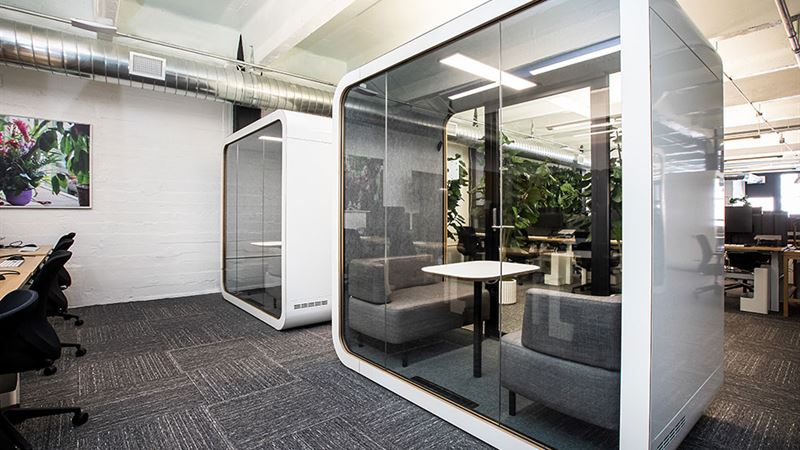
Designing an ideal office space goes beyond choosing aesthetic decor; it involves selecting furniture that enhances functionality, comfort, and brand representation. In recent years, there has been a significant shift towards furniture that aligns with corporate identity, reflecting professionalism and style simultaneously. When outfitting an office, several crucial considerations must be taken into account, including capacity, ergonomics, safety, and flexibility. Proper furniture not only boosts productivity but also creates a welcoming environment for employees and visitors alike.
One fundamental aspect to consider is seating capacity, which directly impacts the amount and type of furniture needed. Unlike home furniture, which typically accommodates fewer guests, office furniture must support a larger number of employees and visiting clients. A carefully curated selection ensures that each person has an ergonomic and functional workspace, contributing to overall efficiency and satisfaction. Whether you are setting up a small startup or a large corporation, understanding your space requirements is vital.
Comprehensive Office Furniture Solutions
Office furniture is a collective term that encompasses a wide array of pieces designed to facilitate daily operations smoothly. This includes, but is not limited to, desks, chairs, storage units, and safety features. Each type of furniture plays a pivotal role in fostering an environment conducive to productivity and professionalism. To create an optimal workspace, you'll need to choose from various options depending on your specific needs.
Primary Office Desks and Workstations
- Executive Manager Desks
These large desks are central to managerial offices and are designed to project authority and prestige. Typically, they feature ample surface space, often with integrated storage drawers or cabinets. The aesthetic of executive desks should match the overall office décor, with high-quality materials like wood veneer or polished lacquer. Additionally, they can include features such as built-in cable management to keep electronic devices organized. Choosing desks that fit the space and reflect your organization’s branding can leave a lasting impression on visitors. - Height-Adjustable Desks
Height-adjustable desks are versatile solutions gaining popularity due to their ergonomic benefits. They enable users to alternate between sitting and standing positions throughout the workday, reducing health risks associated with prolonged sitting. Such desks are especially beneficial for creative professionals, architects, or anyone involved in detailed design work. Their ergonomic design supports better posture, reducing back pain and fatigue. Open-plan offices can seamlessly incorporate height-adjustable desks, promoting an active workspace.
- Wall-Mounted or Floating Desks
This type of desk attaches directly to the wall, conserving floor space and creating a sleek, modern look. Floating desks are ideal for compact offices, home workspaces, or areas where flexible utilization of space is essential. They can come with integrated storage or leave room for additional furniture, adapting to various design needs. Choosing the right floating desk involves considering accessibility and whether the structure can support your equipment and workload.
Ergonomic and Functional Office Seating
- Executive Chairs
These chairs exude professionalism and comfort, often featuring high backs, plush leather upholstery (real or faux), armrests, and mobility casters. Their design complements executive desks and enhances the ambiance of the office. Ergonomic considerations include lumbar support, adjustable height, and tilt mechanisms, ensuring long-term comfort during extended work hours. - Ergonomic Chairs
Designed focusing on health and comfort, ergonomic chairs are vital in modern workplaces. They reduce the risk of musculoskeletal issues by supporting correct posture. Adjustable features such as lumbar support, armrest height, and seat depth allow customization for individual comfort. Investing in ergonomic seating contributes to employee well-being, productivity, and decreased absenteeism. - Task Chairs
Task chairs are budget-friendly, functional options suitable for general use stations. They typically feature simple foam padding, swivel capabilities, and height adjustment. Their compact design makes them easy to customize for different workspaces. Selecting appropriate task chairs allows for flexible seating arrangements in shared or open-plan offices, optimizing space utilization.
Security and Storage Solutions
Office safety is paramount, particularly when dealing with sensitive or valuable documents. Selecting the right safes and storage units ensures data security, asset protection, and compliance with legal standards. The choice depends on your specific threats—whether theft, fire, or natural disasters.
- Safes: Electronic vs. Traditional
Depending on your security needs, you might opt for a traditional key lock safe or an electronic safe with digital keypads. Electronic safes allow quick access and can be programmed with multiple users, making them suitable for busy environments. They can also feature fire-proof or water-resistant properties to protect documents against environmental hazards. When selecting safes, consider the size, build material, and security features, as well as warranty and servicing options.
Cabinetry and Organizational Units
Implementing efficient filing and storage systems is essential for maintaining order. Office cabinets come in various styles, each suited to different organizational needs and space constraints.
- Lateral Filing Cabinets
These cabinets are excellent for storing letter, legal, and other large documents. Their wide drawers facilitate easy access and can support multiple file sizes, making them suitable for diverse filing needs. - Vertical Filing Cabinets
Ideal for offices where space is limited, vertical cabinets maximize storage vertically and occupy a small footprint. They are often taller and narrower, adaptable to narrow rooms, although they may require a step stool for reaching higher drawers. - Card File Storage Cabinets
Particularly useful for archives, libraries, or institutions, these cabinets keep index cards or small documents well-organized and easily accessible. Their design focuses on efficient storage of small items with clear labeling options.
- Mobile Filing Cabinets
Equipped with casters, these portable units provide flexible storage solutions. They can be moved to different areas, making them highly adaptable for dynamic work environments or meetings. - Flat File Storage Cabinets
Large-format documents such as blueprints, artwork, or engineering drawings are best stored in flat-file cabinets. These spacious drawers prevent creasing and facilitate easy access without damaging valuable items.
- Side-Tab File Cabinets
Designated mainly for medical or legal records, these cabinets feature sturdy construction with side-tab racks for easy file organization. Their robust build ensures secure storage of critical documents and quick retrieval.
Key Strategies to Select the Right Office Furniture
Choosing suitable furniture requires careful planning and consideration of several factors. Here are strategic tips to guide your selection process.
- Budget and Cost-Effectiveness
While premium furniture enhances your office’s aesthetic and functionality, it often comes at a higher price. Balance quality with affordability—consider investing in versatile, durable pieces that can serve multiple purposes over time. For startups or small businesses, second-hand furniture can be a smart choice if inspected thoroughly. Remember, investing in quality furniture can reduce replacement costs and improve employee satisfaction in the long run. - Functionality and Flexibility
Look beyond aesthetics and focus on how furniture integrates with your workflow. Modular and adaptable designs allow your office setup to evolve with your business growth. Consider features such as adjustable heights, modular partitions, and multifunctional units to maximize space efficiency and operational cohesion. - Specific Business Needs
Your industry influences your furniture choices significantly. For instance, design firms may require large worktables and display areas, while legal offices need extensive filing systems. Involve employees in the decision-making process to understand their workspace requirements, promoting comfort and productivity. - Office Size and Layout
Measure your entire office space meticulously before purchasing furniture. Oversized furniture clutters small areas, creating a cramped atmosphere. Utilize space-saving furniture, such as compact desks or vertical storage units, to optimize the available footprint. Maintaining an open layout with adequate walking space enhances mobility and visual comfort. - Aesthetic Appeal and Design Harmony
A cohesive look reflecting your company's brand identity can positively impact client impressions and employee morale. Select colors, materials, and styles that align with your corporate image. Consider color psychology—blue promotes calmness, orange sparks creativity—yet always trust your intuition and personal style preferences. An aesthetically pleasing office boosts employee enthusiasm and creates an inviting environment.
Maintenance Tips for Office Furniture Longevity
Proper maintenance preserves the integrity and appearance of your office furniture, ensuring a good return on your investment. Implementing regular cleaning and care routines is essential.
- Routine Checks and Preventive Care
Schedule periodic inspections for wear and tear, especially on high-use items like chairs and desks. Tighten loose screws, replace worn-out pads, and address minor damages promptly to prevent more significant issues. Engage professional maintenance services for comprehensive upkeep of costly items such as safes and filing cabinets under warranty. - Cleaning and Material-Specific Care
Use cleaning agents compatible with your furniture’s materials—leather cleaners for sofas and executive chairs, microfiber cloths for desk surfaces, and appropriate disinfectants for shared surfaces. Follow manufacturer guidelines to prevent damage and preserve finish quality. Educate staff on proper cleaning procedures to maintain a hygienic workspace.
- Deep Cleaning for Disinfection and Hygiene
Deep cleaning should be scheduled periodically to eliminate dust, allergens, and microbes. Focus on hidden areas like beneath desks, behind filing cabinets, and inside drawers. This practice prolongs furniture life, reduces health risks, and maintains a fresh office environment. Employ professional cleaning services equipped with appropriate tools and checklists tailored for office spaces.
In conclusion, selecting the right office furniture involves a combination of functional planning, aesthetic consideration, and ongoing maintenance. While it may seem complex, thoughtful choice and regular care will foster a productive, comfortable, and stylish workplace that impresses clients and nurtures employee well-being. Thoughtful investment in quality furniture translates into long-term savings and a more vibrant business environment.