
Comprehensive Guide to Determining Your Perfect Body Weight
Discover comprehensive methods to estimate your ideal weight using popular formulas like Hamwi and Devine. Learn how to adjust for body frame size, understand their benefits and limitations, and how to integrate these insights into a balanced lifestyle with proper nutrition and exercise. Achieving a healthy weight is key to overall wellbeing, and this guide provides practical tips for setting realistic goals tailored to your body type, age, and health needs.
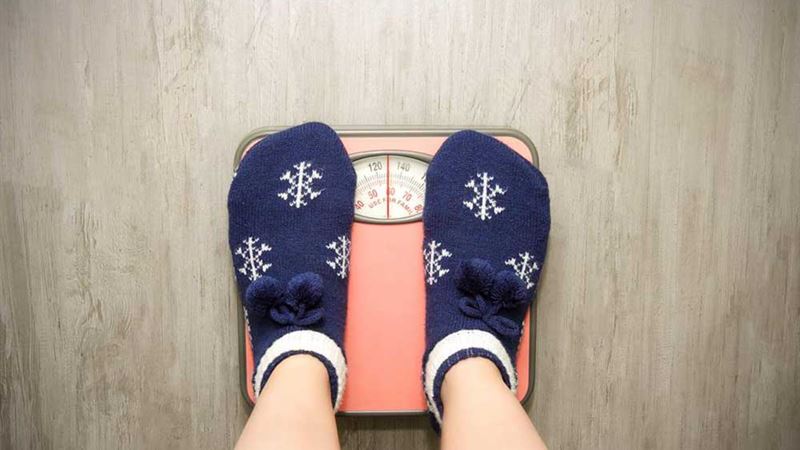
Achieving and maintaining an ideal weight is a common goal for many individuals aiming for better health, fitness, and self-confidence. Understanding how to accurately calculate your ideal body weight can serve as a valuable tool in developing personalized health plans. While various methods and formulas are available, knowing which approach aligns with your body type and lifestyle can make a significant difference. In this comprehensive guide, we explore multiple methods to determine your perfect weight, emphasizing their applications, benefits, and limitations.
Maintaining an optimal weight involves considering factors such as age, height, body frame size, and overall health. No single formula applies universally; however, knowing how to interpret your measurements can give you a realistic goal. We will delve into popular methods such as the Hamwi formula and the Devine method, providing detailed examples and variations based on body frame size. Additionally, we will discuss the importance of nutrition, regular exercise, and other lifestyle factors that contribute to a healthy weight.
The Importance of Knowing Your Ideal Weight
Understanding your ideal body weight is crucial for several reasons. It helps in assessing your health risks, planning weight management strategies, and setting realistic goals. Being either significantly above or below your ideal weight can be associated with health issues such as cardiovascular disease, diabetes, osteoporosis, and various nutritional deficiencies. Therefore, accurate calculation and ongoing monitoring can assist in preventing or managing such health problems.
Popular Methods for Calculating Ideal Body Weight
Hamwi Ideal Body Weight Formula
The Hamwi method is one of the most widely used formulas to estimate ideal weight based on height and sex. It accounts for age-related changes in body composition but primarily focuses on height and frame size for adults over five feet.
- For men: Start with 106 pounds for a person who is 5 feet tall. For each additional inch above 5 feet, add 6 pounds.
- For women: Begin with 100 pounds at 5 feet, then add 5 pounds for each extra inch beyond 5 feet.
Examples:
- A man who is 6 feet 2 inches tall calculates his ideal weight as 106 + (14 inches × 6) = 190 pounds.
- A woman with a height of 5 feet 4 inches computes her ideal weight as 100 + (4 inches × 5) = 120 pounds.
It's important to note that the basic calculation assumes a medium body frame. Adjustments are recommended based on the individual's frame size.
Adjustments Based on Body Frame Size
People possess different bone structures that influence their overall weight. To accommodate this, the Hamwi formula suggests making modifications based on frame size:
- Large frame: Add approximately 10% to the calculated weight.
- Small frame: Deduct roughly 10% from the calculated weight.
For example, a woman who is 5 feet 4 inches tall with a small frame would have an ideal weight of approximately 108 pounds, whereas a large-framed woman of the same height might have an ideal weight close to 132 pounds.
Devine Ideal Body Weight Equation
The Devine formula is another popular method for estimating ideal weight, similar to Hamwi but with slight variations. It emphasizes simpler calculations with predefined starting points for height and sex.
- For men: Begin with 110 pounds at 5 feet. Add 5 pounds for every additional inch.
- For women: Start with 100 pounds at 5 feet, then add 5 pounds for each extra inch beyond five feet.
Examples:
- A man at 6 feet 2 inches tall would have an ideal weight of 110 + (14 inches × 5) = 180 pounds.
- A woman who is 6 feet tall would have an ideal weight of 100 + (12 inches × 5) = 160 pounds.
While these formulas give a solid starting point, they should be considered general guidelines. Factors such as muscle mass, body composition, and overall health are also critical in determining a healthy weight range.
Limitations and Considerations
It is essential to remember that formulas like Hamwi and Devine provide estimates and are not absolute measures of health. They serve as useful tools rather than definitive answers. Body types, metabolic rates, and lifestyle choices all influence ideal weight. Consulting healthcare professionals and undergoing comprehensive health assessments should accompany any weight calculation.
The Role of Nutrition and Physical Activity
Achieving your ideal weight involves more than just mathematical calculations. Nutritional habits, regular physical activity, sleep quality, and stress management play vital roles in maintaining a healthy weight. Balanced diets rich in whole foods, vegetables, lean proteins, and healthy fats contribute significantly to weight management and overall well-being.
Incorporating routine exercise — such as aerobic activities, strength training, and flexibility exercises — can enhance muscle mass and boost metabolism, making it easier to reach and sustain your target weight. Remember that gradual changes tend to produce more sustainable results than quick fixes.
Tracking Progress and Adjusting Goals
Monitoring your weight regularly helps in assessing progress and making necessary adjustments. Using tools like BMI charts, body fat percentage measurements, and waist-to-hip ratios can provide more comprehensive insights. Remember, the goal is to achieve health and vitality, not just a number on the scale.
Final Thoughts
Determining your ideal body weight is a valuable step toward a healthier lifestyle. By understanding and applying formulas like Hamwi and Devine, along with personalized assessments, you can set realistic health goals. Combine these calculations with proper nutrition, consistent exercise, and lifestyle modifications for optimal results. Remember, health is a holistic journey, and values like vitality, strength, and wellbeing matter more than just weight figures.